

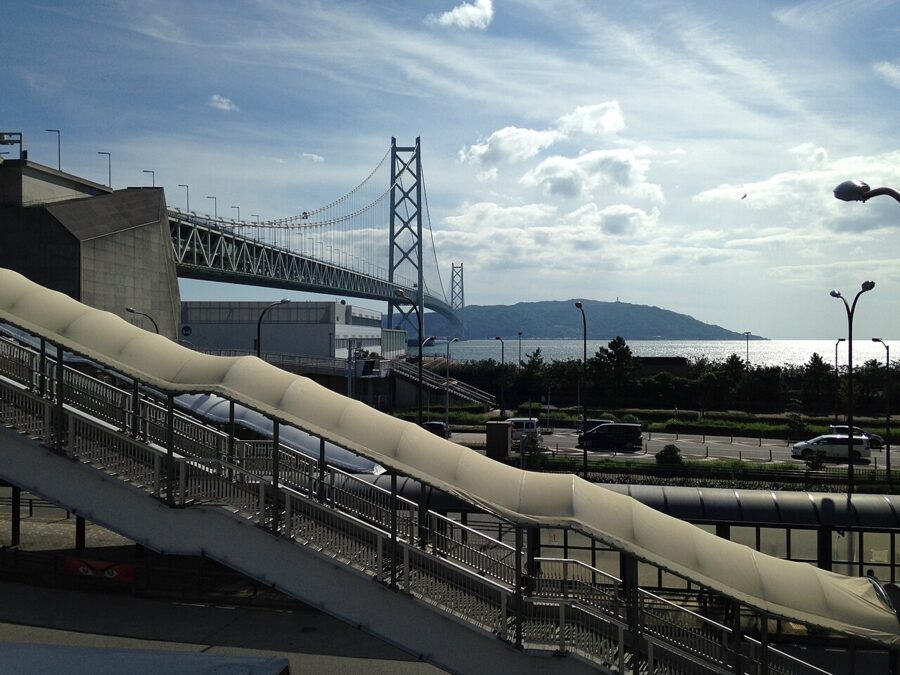
The JR local from Sannomiya reaches Maiko in 24 minutes, and for the whole ride the mountains stay a few kilometers off the right-hand window while the sea runs just beyond the left. At the end of it the longest suspension bridge in Japan leaves the shore over your head. You have not left Kobe once.
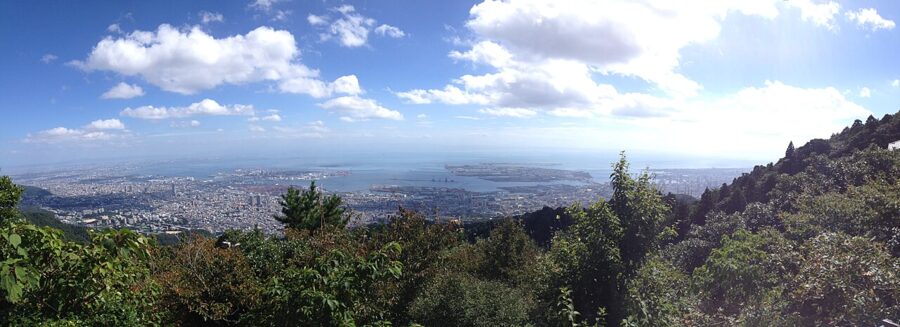
That is the first thing to understand about Kobe: it is long and thin. The city stretches along roughly 35 km of coast, squeezed between the Rokko range and Osaka Bay, with 1,489,421 people (the city’s estimate for October 2026) packed into the strip and spilling over the ridge behind it. The center, Sannomiya, is only one stop on a line that runs from sake breweries in the east to a beach and a bridge in the west.
Most visitors see the middle and leave. I think that is a mistake, because the ends are where Kobe gets interesting: Nada’s breweries, Nagata’s griddles and its giant robot, the beach at Suma, the night view from Mount Maya, the hot springs of Arima on the far side of the mountain. Start in the middle, give each end a day, and use the city as a base for Kansai: it is better placed than its reputation.


Contents
The shape of the city
Kobe has nine wards, and seven of them line up along the coast in a row: Higashinada, Nada, Chuo, Hyogo, Nagata, Suma and Tarumi. Kita and Nishi sit behind the mountains, newer suburbs and farmland that most visitors only cross on the way to Arima. The ridge is close enough that the city is narrow north to south and long east to west, and every railway runs along it in parallel.
The port made the city. The treaties with the Western powers promised to open the old harbor town of Hyogo, but the foreign settlement went instead to the village of Kobe, about 3 km east across the river. The port opened on 1 January 1868, foreign merchants laid out their grid by the water and built houses on the slope above it, and in 1889 Kobe became a city. The merchants’ houses of Kitano and the stone offices of the Old Settlement, both a short walk from the Sannomiya stations, are what is left of that first generation.
In the twentieth century Kobe solved its shortage of flat land by moving the mountain into the sea. Port Island, finished in 1981, was built with earth dug out of the Rokko range and carried to the bay, under a slogan that translates as “the mountain goes to the sea.” Rokko Island followed to the east, and Kobe Airport opened on a third island in 2006.

Then, at 05:46 on 17 January 1995, the Great Hanshin-Awaji Earthquake killed 6,434 people. The damage ran the length of the coastal wards, and in Nagata the fires that followed the shaking burned whole blocks. The quays were wrecked, and the port’s trade fell away while they were rebuilt.
What Kobe chose to rebuild says a lot about it. The city redeveloped the districts around Shin-Nagata and Rokkomichi stations, built a disaster museum and an art museum on the new waterfront district in the east, and kept a stretch of broken quay at Meriken Park exactly as the earthquake left it. Thirty years on, you see the rebuild everywhere, and you see the scars only where the city decided to keep them.
Central Kobe, briefly
The center of Kobe is the half-hour walk from the Sannomiya stations to the harbor, and it is a day in itself: the six stations and which gate to use, Center Gai and Motomachi, Nankinmachi’s steamed buns, the Old Settlement, Ikuta Shrine, the Kitano slope and its merchants’ houses, the Kobe beef restaurants and most of the hotels. Everything below starts from there.
Two things about the center are worth carrying into the rest of Kobe. First, the private railways matter: Hanshin and Hankyu reach places JR does not, and Hanshin trains run on through the Kobe Rapid Railway tunnels onto the Sanyo line to the west. Second, the mountains start almost at the station doors.
The waterfront, end to end
Kobe’s harbor front runs from the Shinko piers in the east to Harborland in the west, with the man-made islands out in the bay beyond. It is flat, mostly pedestrianized and free to walk. Start at the Shinko side in the afternoon, cross Meriken Park as the light goes, and end at Harborland after dark.
Meriken Park and the Shinko piers
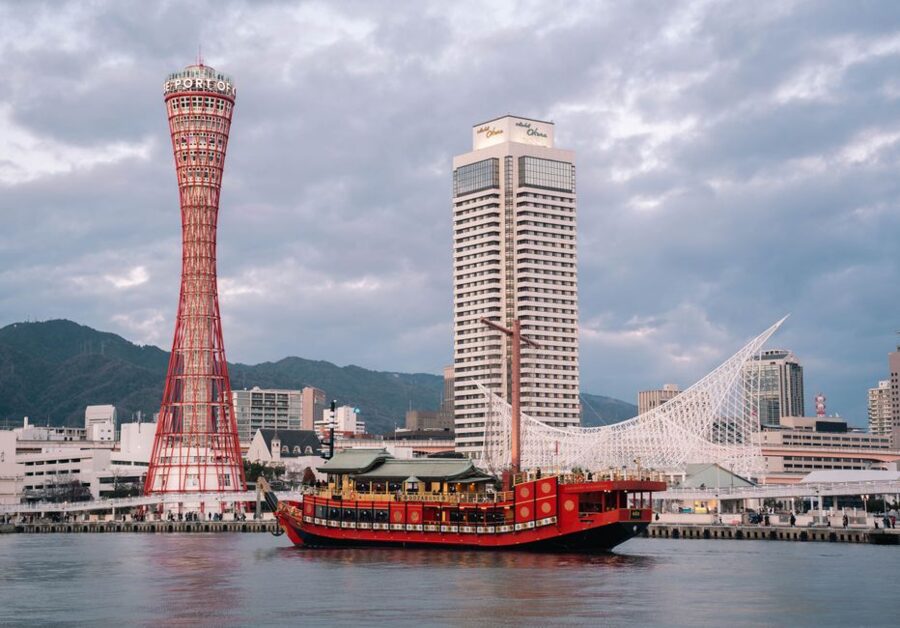
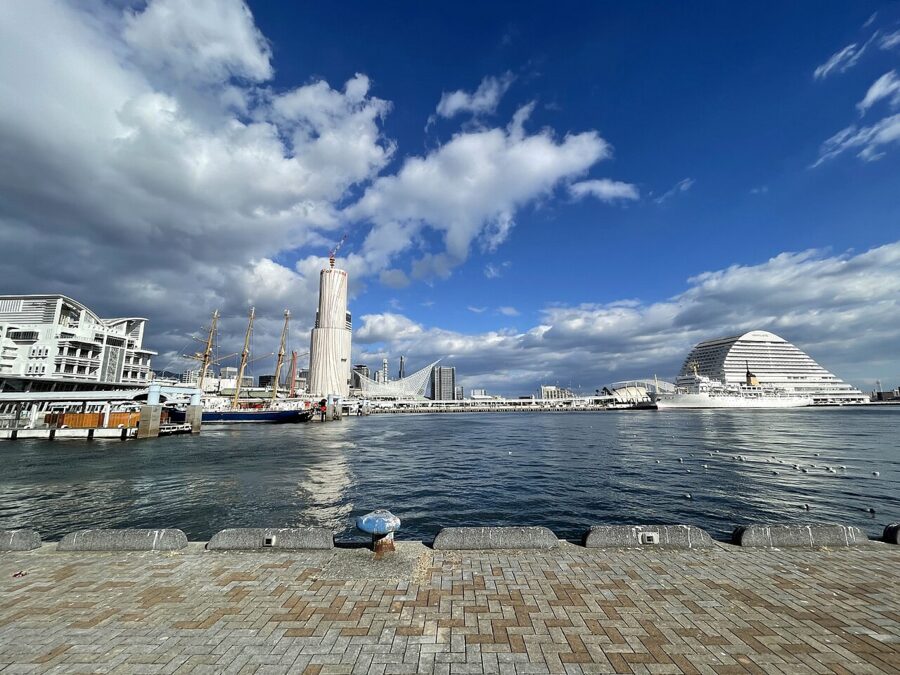
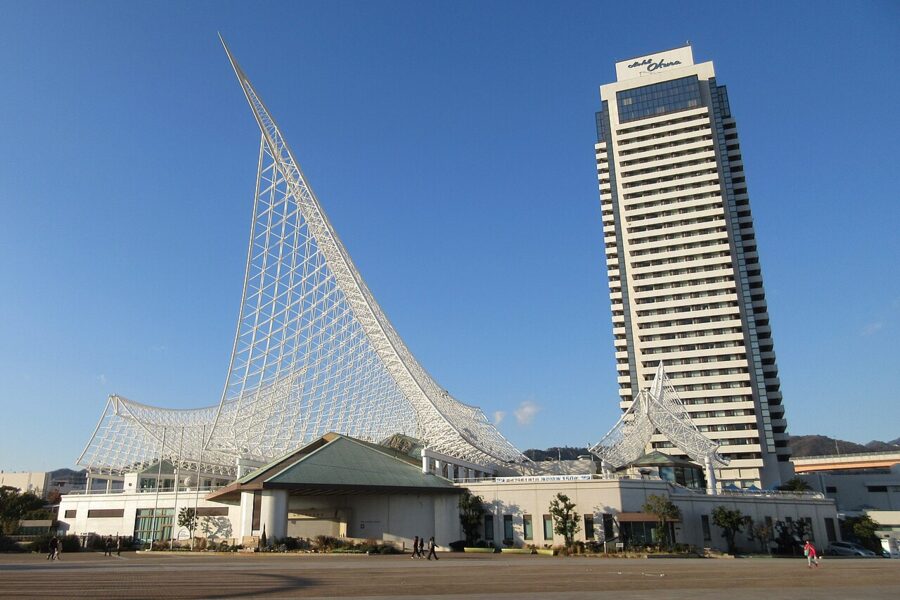
Meriken Park is the classic postcard: the red Kobe Port Tower, the white lattice roof of the Kobe Maritime Museum, the earthquake memorial quay. The tower reopened in 2024 with an open-air rooftop deck and stays open until 23:00. The Maritime Museum, under the white frame built for the port’s 120th anniversary in 1987, opens 10:00–18:00 and charges ¥900 for adults.


East of the park, the Shinko piers have filled in since 2021. The Kobe Port Museum on Shinko-cho opened on 29 October 2021 and holds átoa, a self-described theater-style aquarium that stays open until 19:00 on many days, with last entry 30 minutes before closing; its calendar lists changed hours for parts of November 2026 and January 2027. Next door, GLION ARENA KOBE opened in April 2025 with the TOTTEI park and food hall around it.
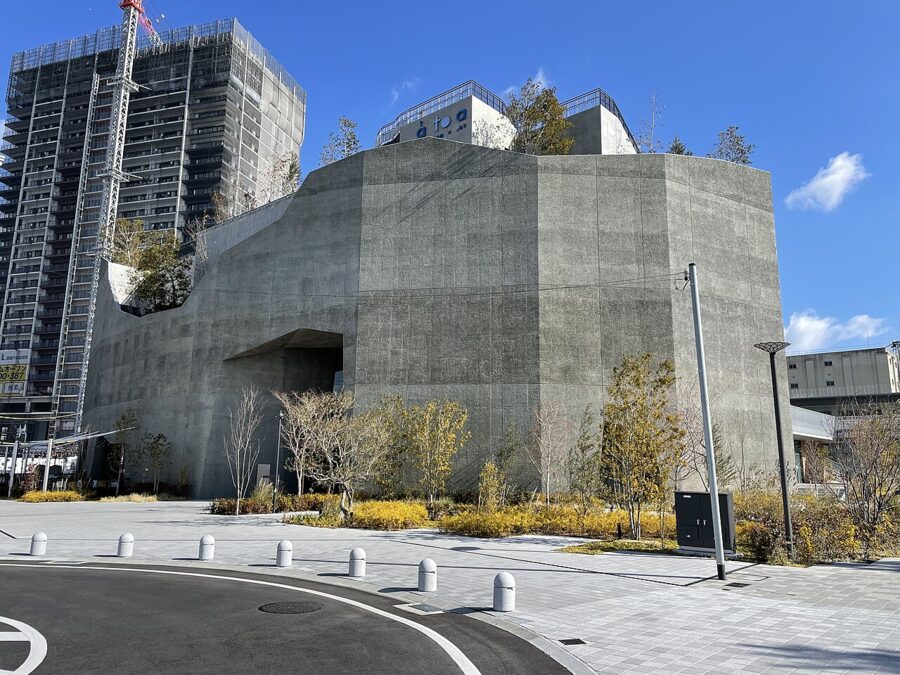

I would not pay for átoa on a first trip unless you have children, or rain. The free waterfront is the reason to be here.
Harborland
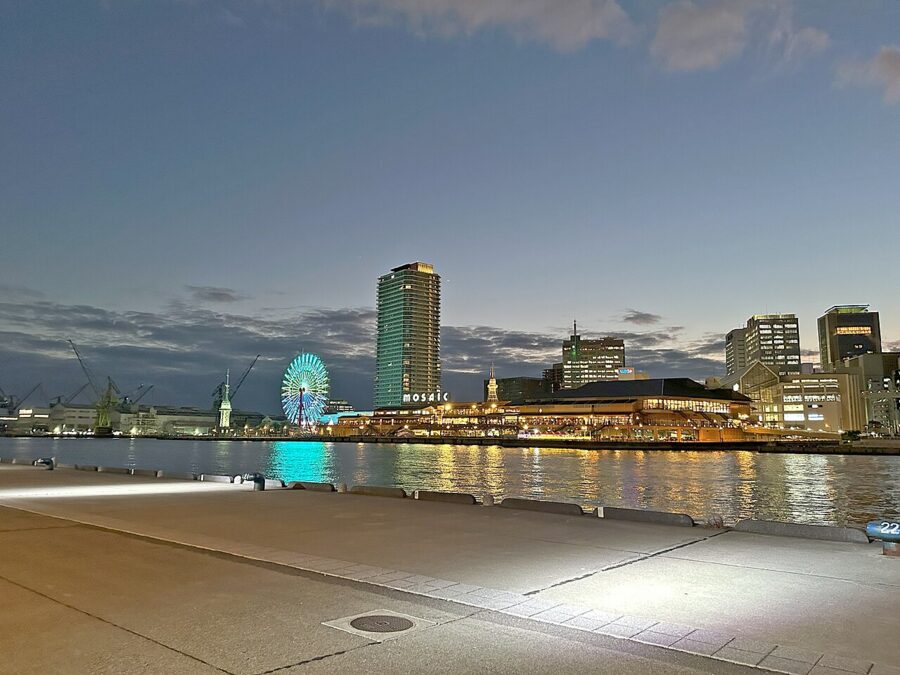
Harborland is the shopping end of the harbor, built on the site of the old Minatogawa freight station, which closed in 1982, and the factories around it. It opened in September 1992, struggled after department stores pulled out, and was relaunched in April 2013 as umie, a mall in three parts that includes the open-air Mosaic on the water. JR Kobe Station is the nearest stop, 3 to 4 minutes and ¥150 from Sannomiya.
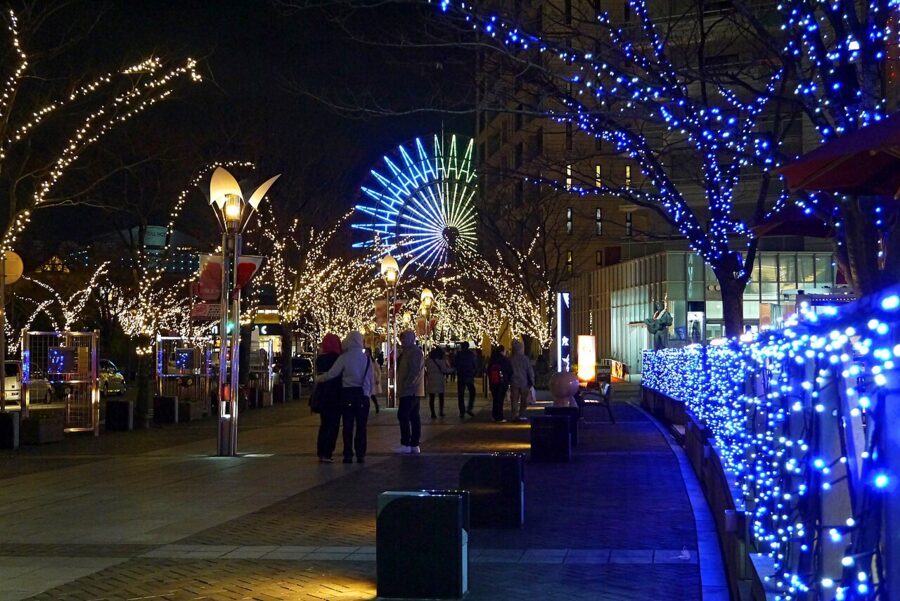

The red brick warehouse on the western side dates from 1897 and was kept when the freight yards were cleared. Families head for the Kobe Anpanman Children’s Museum & Mall, which opened in 2013 next to Mosaic and still runs character shows through the day. For everyone else, Harborland is a place to eat with a view of the tower, then walk back along the water.
Port Island
Port Island is a short ride out on the Port Liner, and most of it is offices, hospitals, research labs and the campuses of Kobe’s medical industry cluster. The Fugaku supercomputer is here. For a visitor it is a half-day at most, and only for a reason.
The best reason is new. The UCC Coffee Museum, run by the Kobe coffee company UCC, reopened on 1 July 2026 after a full renewal. It opens 10:00–17:00, needs a reservation in advance and closes on Mondays and Tuesdays unless they are public holidays.
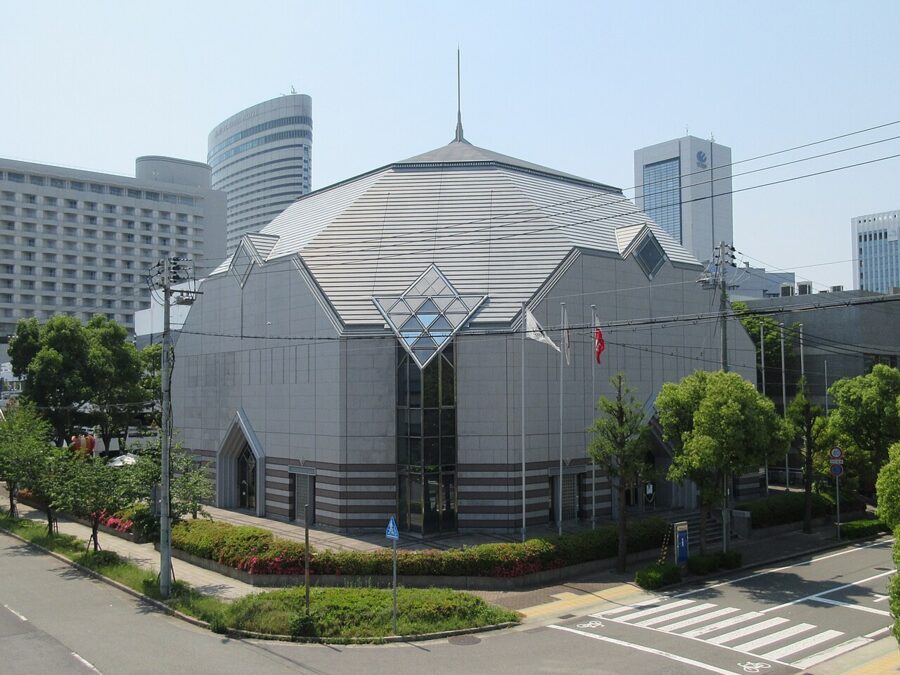

The other is Kobe Animal Kingdom, a zoo and flower park beside the Port Liner, with hours that change by season. It is built for families and it does that well; adults on their own can skip it. Beyond them the Port Liner carries on across a bridge to Kobe Airport, mostly domestic, with seasonal international charters from its second terminal.
Rokko Island
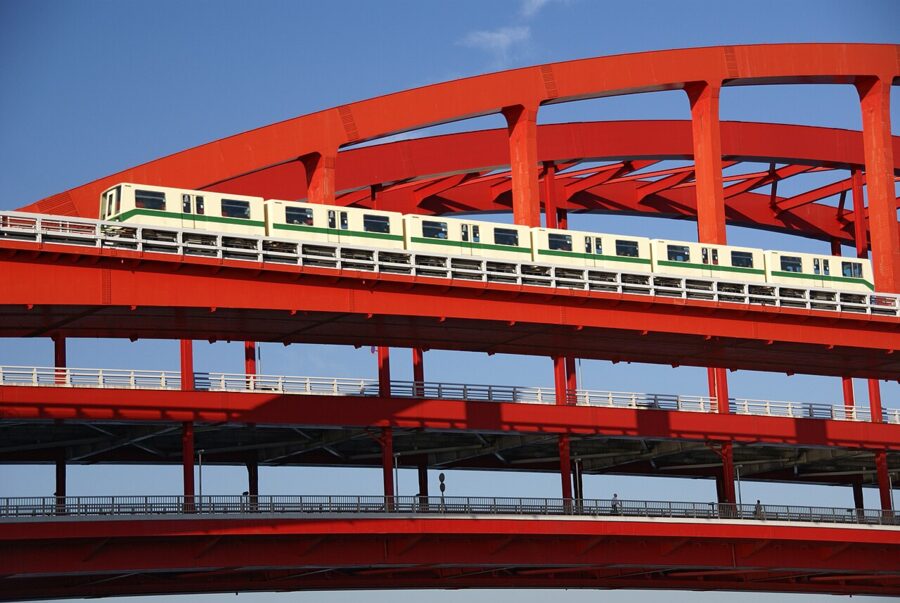
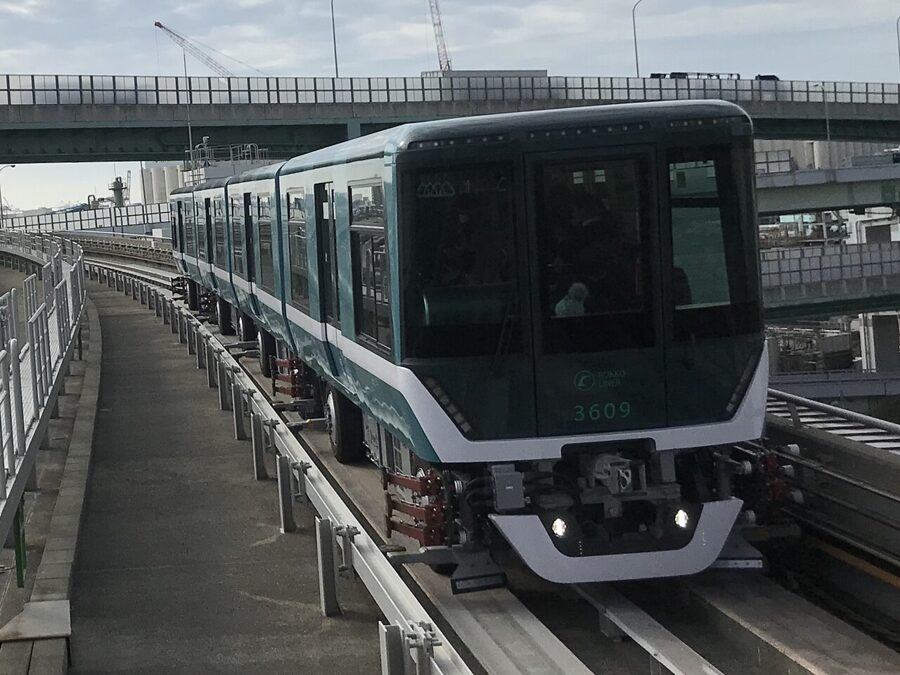
Rokko Island is the residential twin, a planned town in the bay reached by the Rokko Liner, which opened in 1990 and connects with JR at Sumiyoshi and with Hanshin at Uozaki. It is pleasant and quiet, and there is little reason to go except one museum.

The Kobe City Koiso Memorial Museum of Art is devoted to Koiso Ryohei, the Kobe-born painter in oils, and holds more than 2,000 of his works. It is closed until 8 January 2027 while it prepares the next show; from 9 January to 28 March 2027 it opens 10:00–17:00 with a collection exhibition called “Light in Interiors,” closed on most Mondays.
West Kobe: Nagata, Suma, Maiko and Shioya
West of the center the city gets older, lower and cheaper. JR locals stop at every station, the Sanyo Electric Railway runs close beside it, and the subway’s Kaigan Line ends at Shin-Nagata. Everything below is under half an hour from Sannomiya.
Shin-Nagata and Nagata
Shin-Nagata is 9 minutes and ¥200 from Sannomiya on the JR local, and it is where Kobe’s working city lives. Nagata ward was the home of the chemical shoe industry, small factories making synthetic-leather footwear, and it has one of the largest Korean communities in Japan, alongside Ikuno in Osaka. Vietnamese families arrived later, many of them refugees, and the Takatori Community Center in the ward still runs a multilingual community radio station and events in Vietnamese.
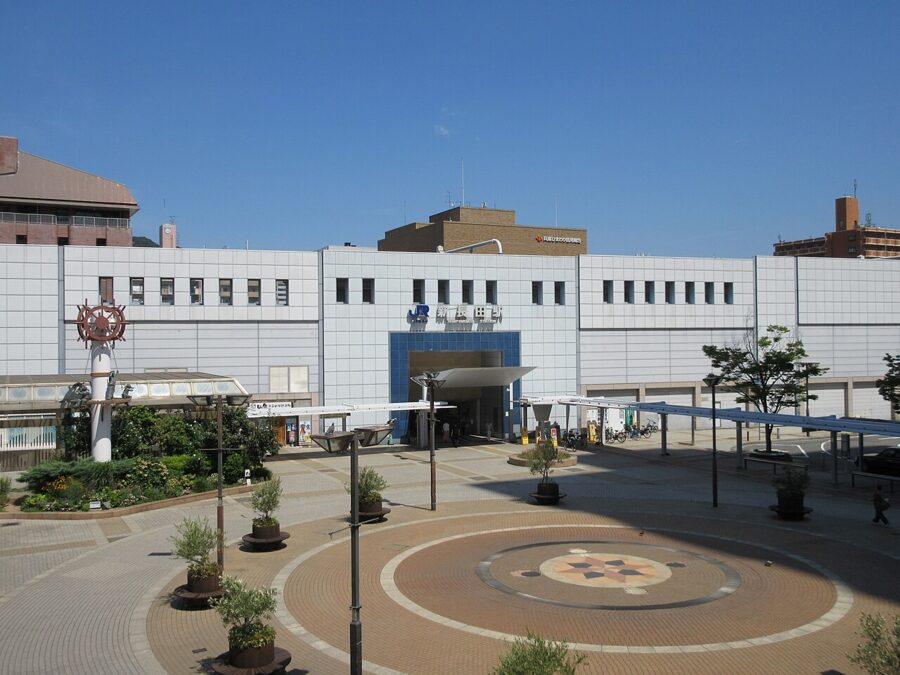

The 1995 earthquake hit Nagata especially hard. Fires broke out in the dense wooden blocks after the shaking, and the area around Shin-Nagata station was rebuilt under a recovery redevelopment plan as tower housing over shopping arcades. Bringing life back to those arcades is the reason Nagata’s most famous resident exists.
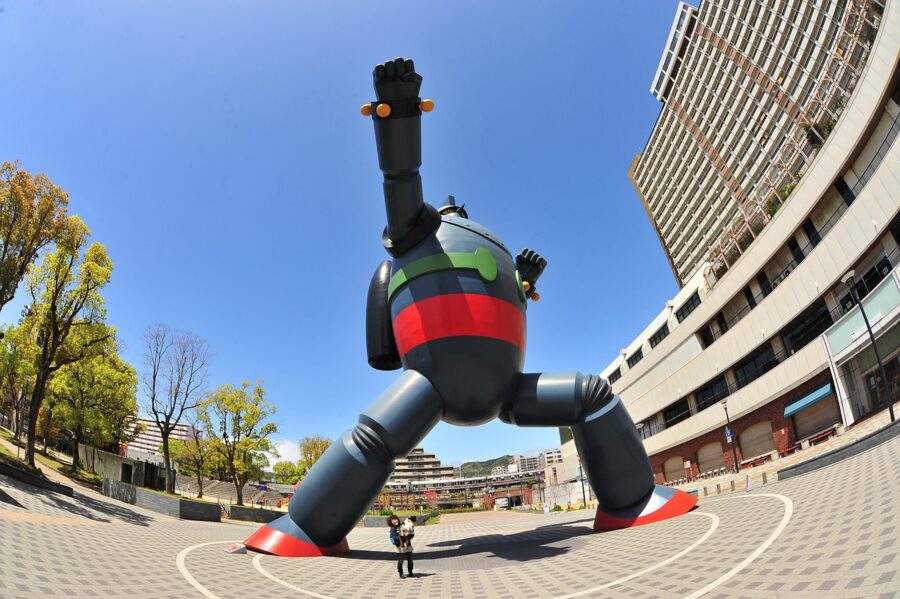
In Wakamatsu Park, just south of JR Shin-Nagata, stands Tetsujin 28, the giant robot from the manga by Yokoyama Mitsuteru, who was born in Kobe. The local Kobe Tetsujin Project completed it on 29 September 2009 as a symbol of the recovery: 15.3 meters tall in its striding pose, about 50 tons of steel, with a raised fist. The project also runs a gallery on the manga artist’s version of the Three Kingdoms story in the arcades nearby.
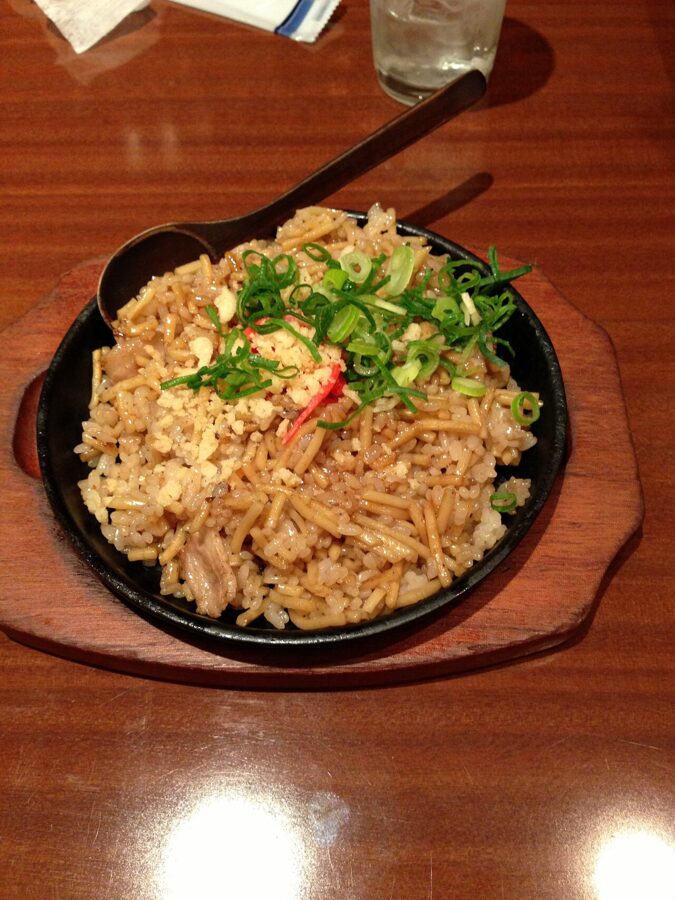
Come hungry. Nagata is the home of sobameshi, the griddle dish of chopped noodles and rice, and its okonomiyaki shops are the cheapest good meal in Kobe. Look for places with a griddle running the length of the counter and a menu with “sobameshi” and “bokkake,” Nagata’s slow-cooked beef tendon and konnyaku.
Suma: the beach, the aquarium and the temple
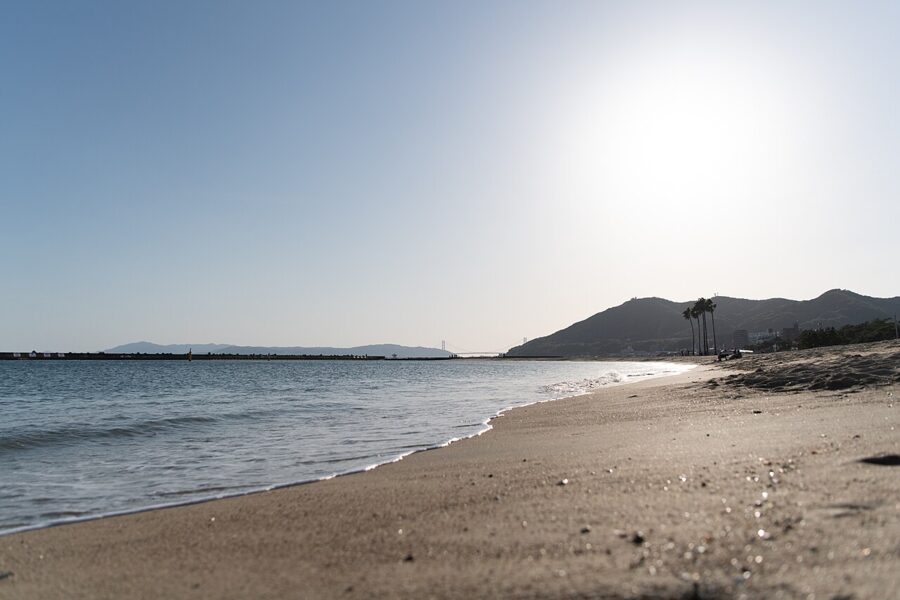
Suma is 13 to 15 minutes and ¥200 from Sannomiya on JR, and the beach starts at the bottom of the station steps. It is the city’s own seaside: a long strip of sand facing Osaka Bay, crowded with families in summer, empty and windy in winter, with the Akashi Strait and Awaji Island in view to the west. In spring, from late April to early June, a section is fenced off for clam digging.

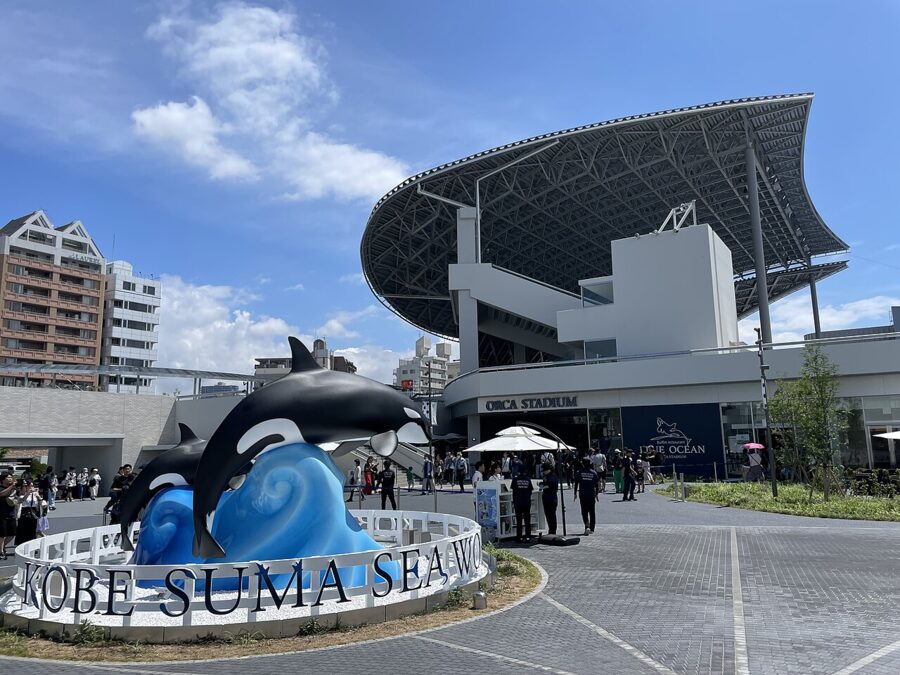
At the eastern end of the beach is Kobe Suma Sea World, which opened in 2024 in place of the city’s old Suma Aqualife Park and is built around an orca stadium. It is 5 minutes on foot from JR Suma-Kaihin-Koen, or 20 minutes along the beach from Suma Station. Ticket prices change by date and go on sale on the 1st of each month for the following two months, and closing time is 18:00 or 19:00 depending on the day.

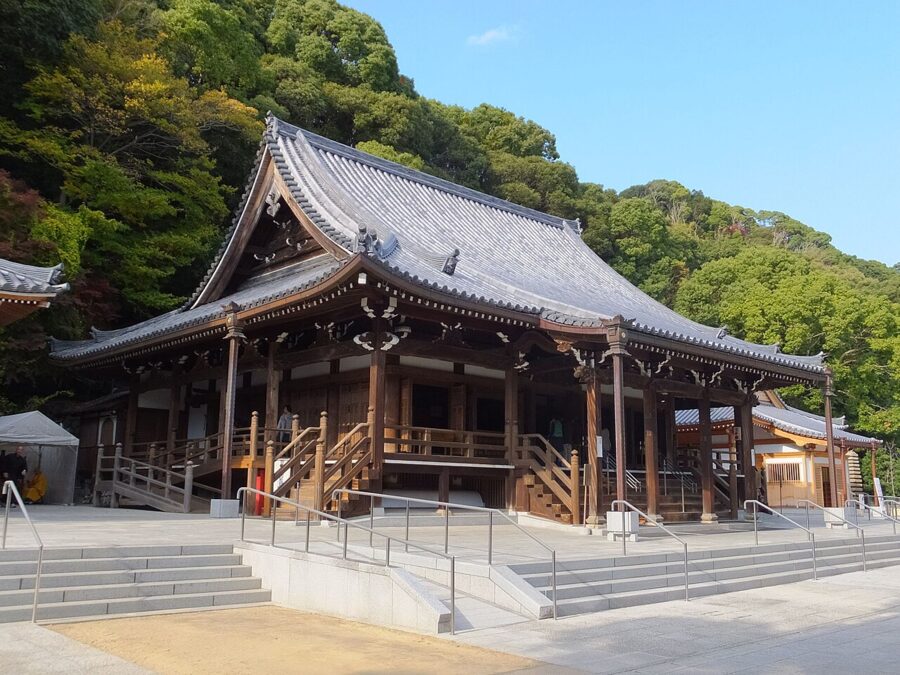

Inland, Suma-dera is the temple of the Genpei War. In 1184 the battle of Ichinotani was fought along this coast, and the temple keeps the grave of the head of Taira no Atsumori, the young warrior killed by Kumagai Naozane, along with a flute said to be his. The nearest station is Sumadera on the Sanyo line.
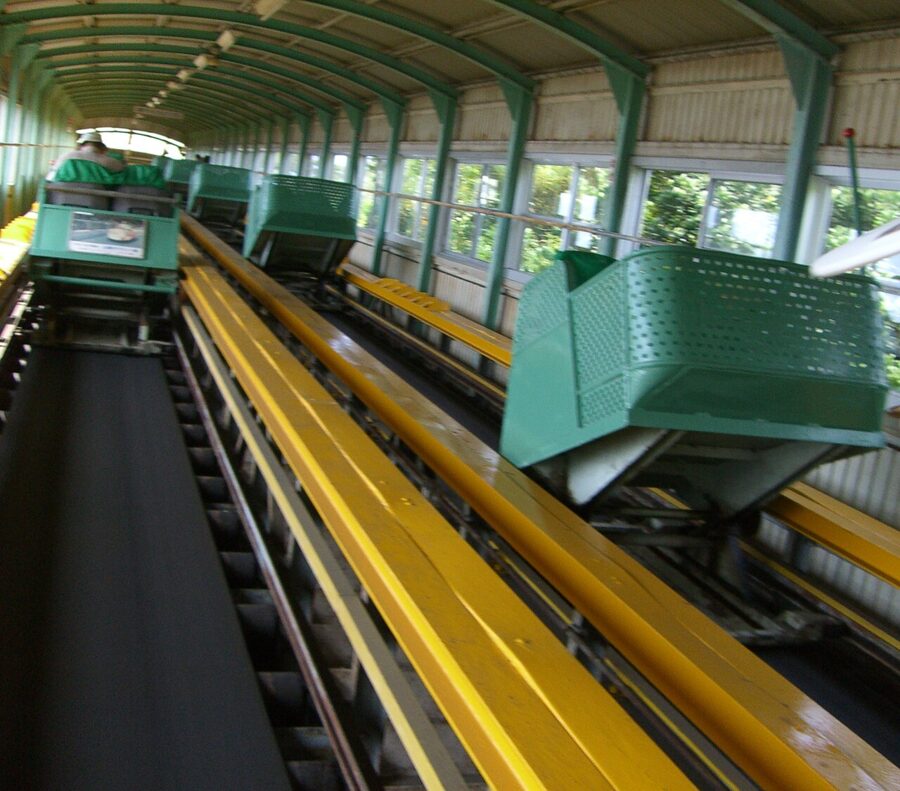
For the best view of Suma, ride up behind it. Sumaura Sanjo Yuen is a small hilltop park run by the Sanyo Electric Railway above Sumaura-koen station: a ropeway, then the Carator, a conveyor belt of open baskets that hauls you up the last stretch, and a revolving observation tower at the top. It opens 10:00–17:00 and closes on Tuesdays; round-trip course tickets cost ¥1,500 or ¥2,100 depending on how many of the rides you take. Check its winter notice before you go, as special operating arrangements apply from 2 December 2026 to 5 February 2027.

Maiko and the Akashi Kaikyo Bridge
Maiko is 20 to 24 minutes and ¥320 from Sannomiya on JR, and the bridge is the reason to come. The Akashi Kaikyo Bridge opened on 5 April 1998: 3,911 meters long, with a central span of 1,991 meters that was the longest of any suspension bridge in the world until a Turkish bridge over the Dardanelles passed it in 2022. Its towers rise 298 meters above the sea.
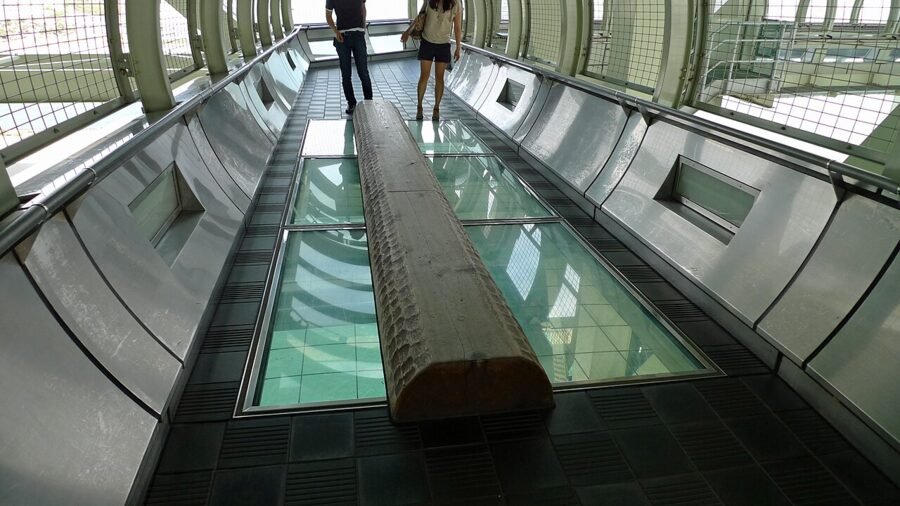
You can walk inside it. The Maiko Marine Promenade is a corridor hung in the bridge girder, 47 meters above the water and running 317 meters out from the shore, with glass panels in the floor. It opens at 09:00 and costs ¥250 on weekdays or ¥300 at weekends and holidays; from October to March it closes on the second Monday of each month, and every year from 29 to 31 December.

For the real thing, the Bridge World tour takes groups up a tower of the bridge itself, organized by the bridge operator through the Bridge Exhibition Center at its foot, from Thursday to Sunday and on holidays. It books out quickly and needs reserving well ahead. The Bridge Exhibition Center charges ¥500 if you only want the models and the story of how the bridge was built.
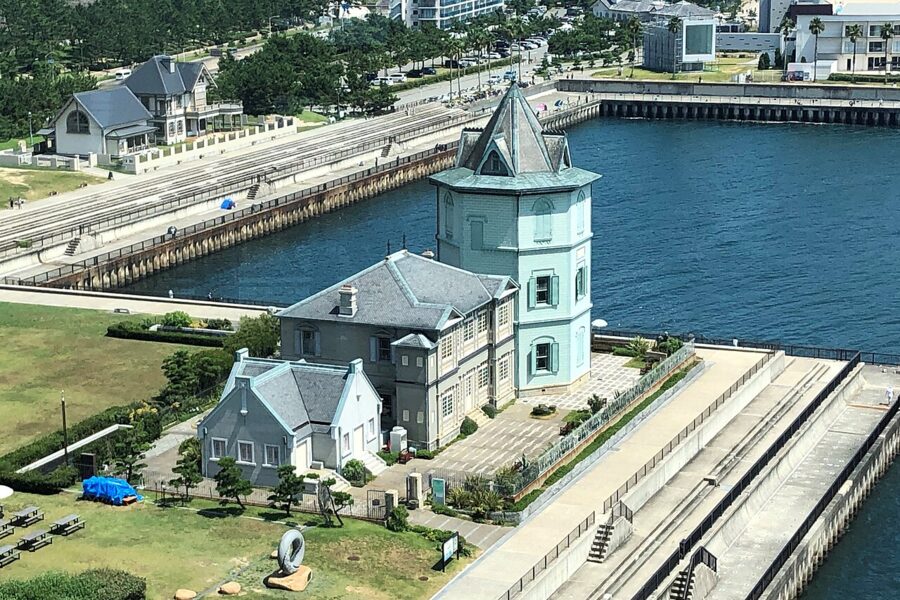
Maiko Park around the bridge was Hyogo’s first prefectural park, opened in 1900 on a shore of white sand and pines that poets praised for centuries. In it stands Ijokaku, an octagonal tower that houses the Sun Yat-sen Memorial Hall and is a nationally designated Important Cultural Property. Admission is ¥300.

Shioya
Back toward the city, between Tarumi and Suma, Shioya is 19 minutes and ¥240 from Sannomiya on the JR local. It is a small seaside town of steep lanes wedged between the railway and the hill, and from the early Meiji years foreign residents of Kobe built holiday villas here. The hillside above is still called James-yama after the British trader Ernest William James, who developed it as a foreign residential estate.
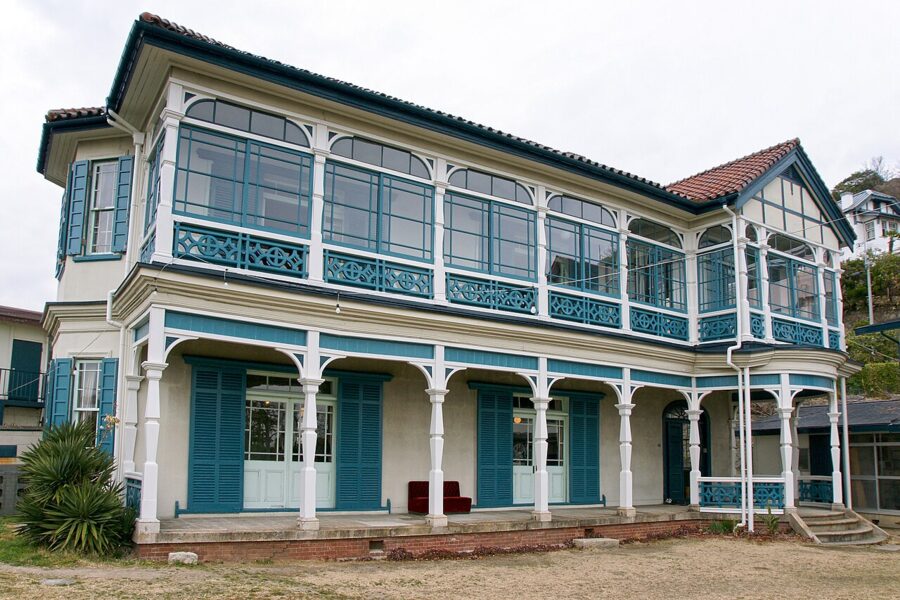

There is nothing to tick off in Shioya, which is the point. Walk up from the station, get lost in the alleys and come back down to the sea. It is the quietest hour you will spend in Kobe.
East Kobe: sake country and quiet suburbs
East of Sannomiya, three railways run in parallel toward Osaka: Hanshin along the coast, JR in the middle and Hankyu along the foot of the mountains. The coastal strip is sake country, the middle is museums and housing rebuilt after 1995, and the hillside is Kobe’s most comfortable suburbs.
The Nada breweries
Nada Gogo, the “five villages of Nada,” is the biggest sake-producing district in Japan, with about a quarter of the country’s output. Two of the five lie in Nishinomiya; three are in Kobe: Nishigo in Nada ward and Mikage and Uozaki in Higashinada. The reasons are the reasons any brewing town grows: hard, mineral-rich well water, cold winter winds off the Rokko range for winter brewing, rice from the Hyogo hills and a harbor to ship barrels to Edo.
Several brewers run museums in old brewery buildings, and you can walk between three of them in an afternoon. Take the Hanshin, which stops at every small station along the coast; the JR is quicker only as far as Sumiyoshi.
Hakutsuru Sake Brewery Museum, in a Taisho-era brewery 5 minutes from Hanshin Sumiyoshi, is the easiest place to start. It opens 09:30–16:30 with last entry at 16:00, costs nothing and lets you wander at your own pace past life-size figures working the old tools. It closes for New Year from 28 December 2026 to 4 January 2027.
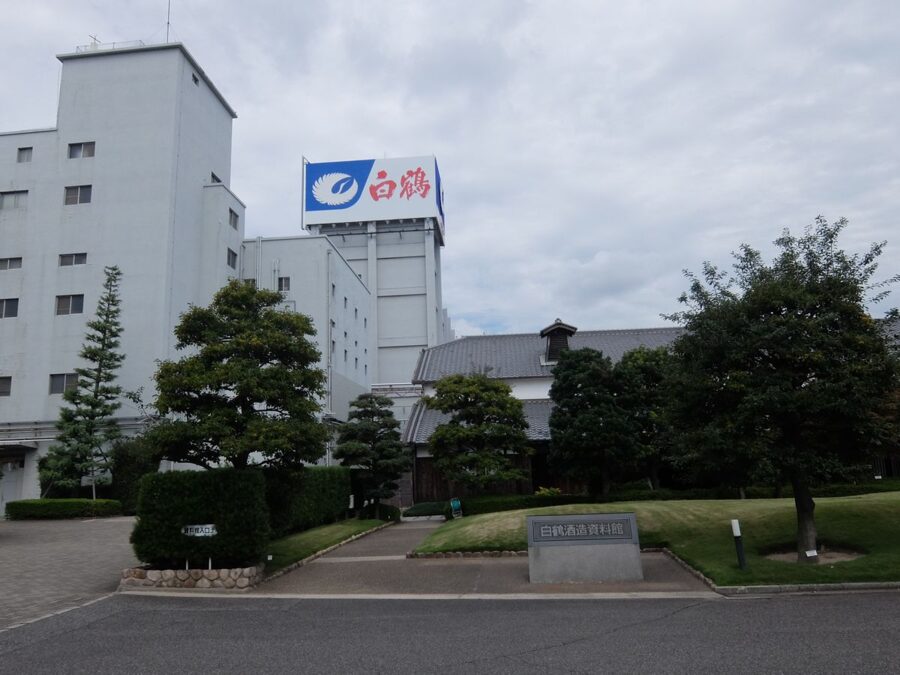

Kiku-Masamune Sake Brewery Museum in Uozaki, 10 minutes from Sannomiya to Hanshin Uozaki or 8 minutes on JR to Sumiyoshi, holds a collection of brewing tools that the national government has designated an Important Tangible Folk Cultural Property. It opens 09:30–16:30 and, since April 2026, closes on Tuesdays. Its guided tours, about 30 minutes, run at 11:10, 14:10 and 15:10 for up to 15 people and need booking.
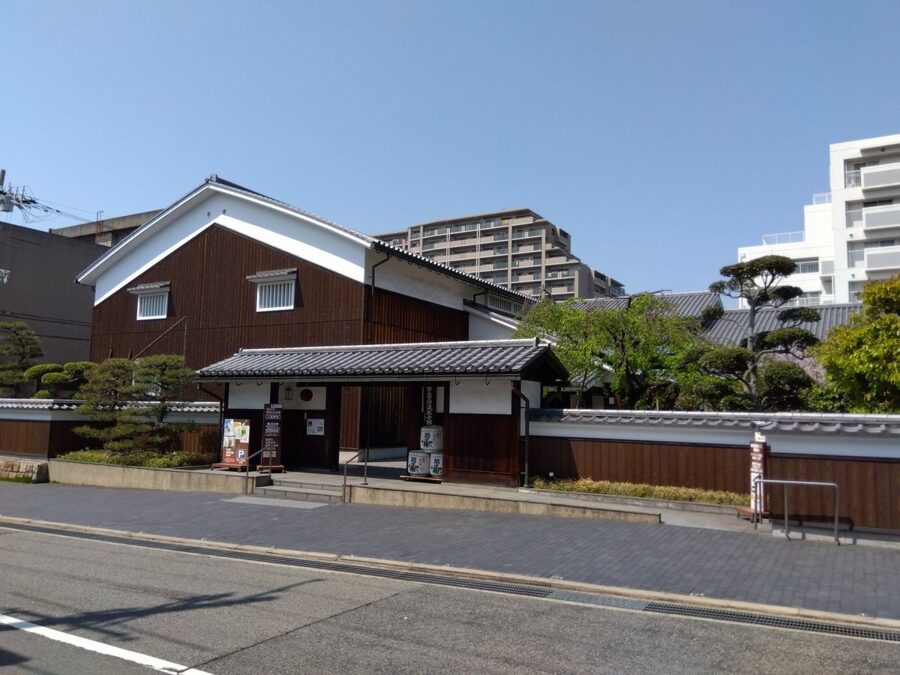

Sawanotsuru Museum, 10 minutes on foot from Hanshin Oishi, is the one with the best story. It occupies a stone-walled brewery from the end of the Edo period, opened as a museum in November 1978 and designated a prefectural cultural property in 1980, then was flattened by the 1995 earthquake. The company rebuilt it, and the excavated remains of the old pressing floor are now on show. It closes on Wednesdays, and the counter offers a free taste of undiluted, unpasteurized sake you can only get at the brewery.
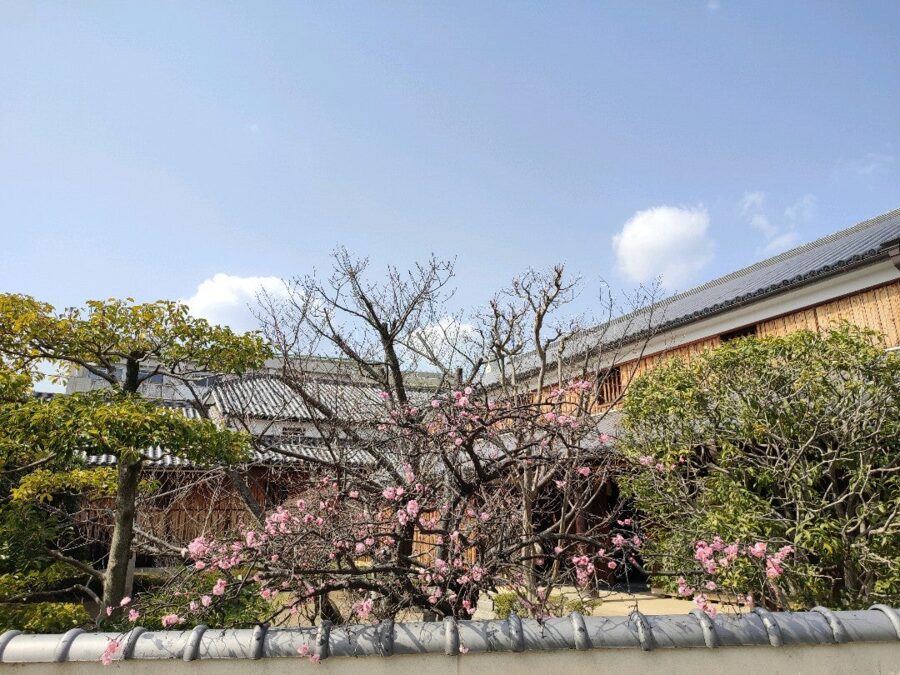

The fourth stop is Kobe Shushinkan in Mikage, maker of the Fukuju brand, which has a shop, a restaurant called Sakabayashi and paid brewery tours with multilingual support. It is open every day except over New Year.
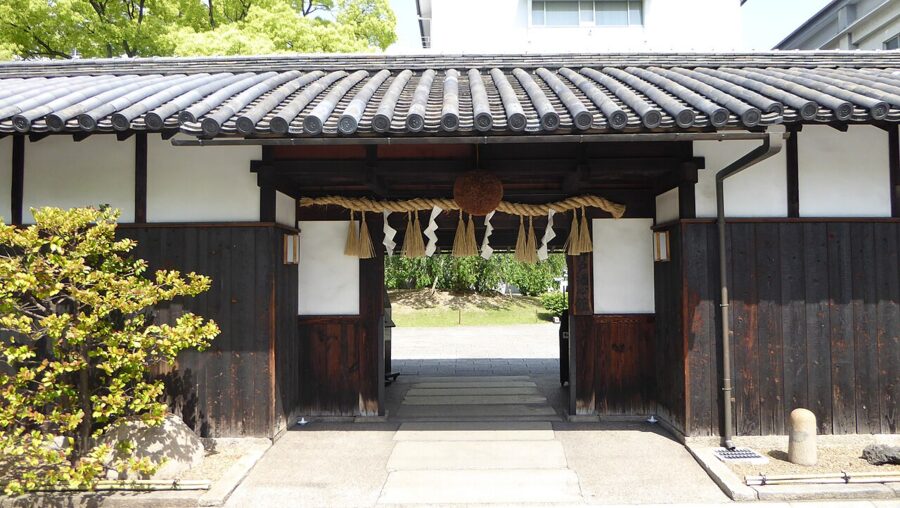
If you only have time for two, I would pair Hakutsuru with Sawanotsuru: the free walk-round and the earthquake story.
Two museums at HAT Kobe
Between Sannomiya and Nada, the waterfront rebuilt after 1995 as HAT Kobe holds housing, hospitals and two museums that are among the best in the region. Hanshin Iwaya station is about 7 minutes and ¥160 from Hanshin Kobe-Sannomiya; allow another 7 minutes if you start from the Hankyu side.
The Hyogo Prefectural Museum of Art is a concrete complex by Tadao Ando, 8 minutes’ walk south of Iwaya, with a large collection of modern Japanese art and a strong program of touring shows. It opens 10:00–18:00 and closes on Mondays, over New Year from 28 December to 4 January, and for maintenance from 24 February to 5 March. Walk round the outside even if you skip the galleries: the terraces and stairs around the building are open to walk.
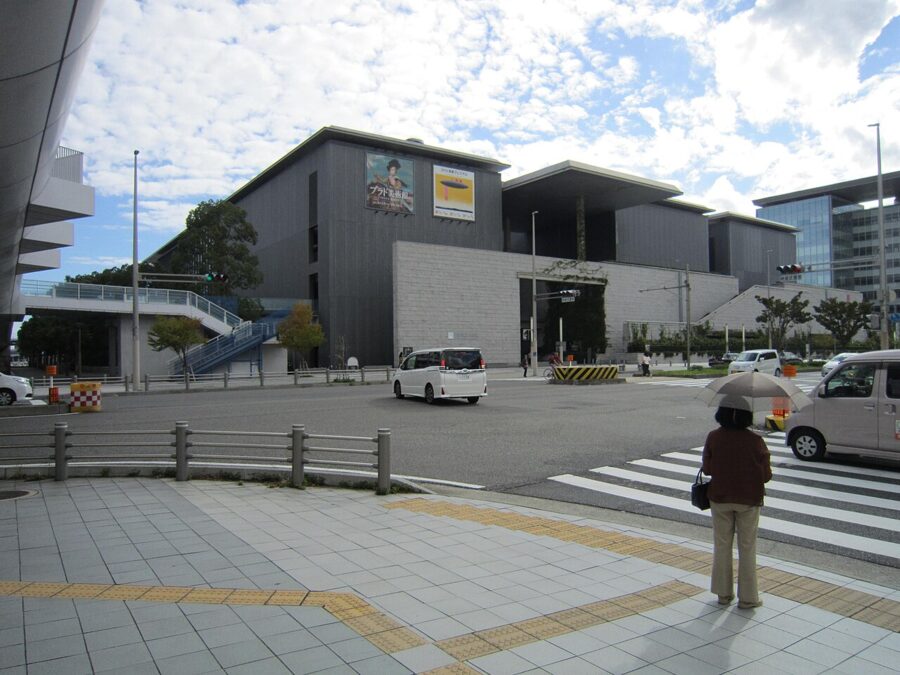

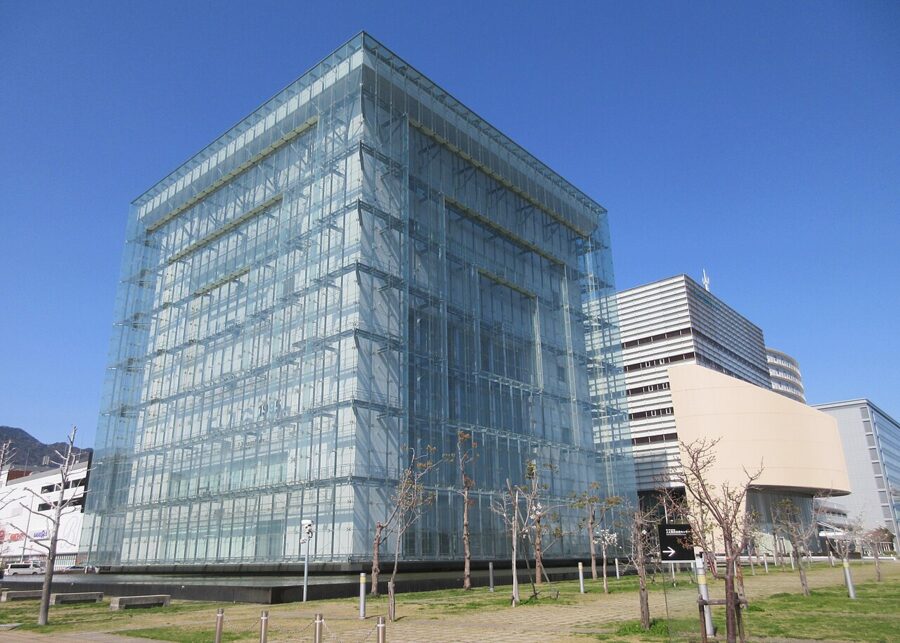
Next door, the Disaster Reduction and Human Renovation Institution is Kobe’s earthquake museum, and the place to understand what happened in 1995. The 1.17 Theater in the West Building recreates the moment of the quake on a large screen, and the floors below hold a gallery of memories of the earthquake and hands-on exhibits on disaster prevention. It opens 09:30–17:30 with last entry at 16:30, closes on Mondays and over New Year, and is free on the 17th of every month.

Okamoto and the Hankyu side
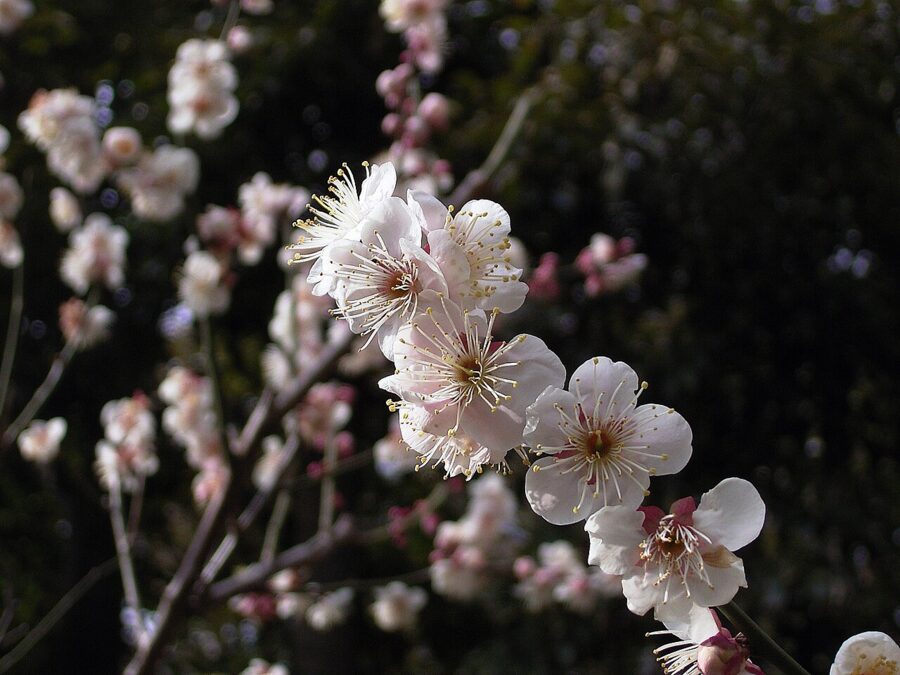
Up on the Hankyu line, Okamoto is the Kobe suburb other Kobe suburbs aspire to be: small cafes, Konan University students and steep streets of big houses below the mountain. The Okamoto plum grove was famous enough in the Edo period to make it into an Osaka children’s song. Okamoto Bairin Park, opened in 1982 on part of the old grove, has about 200 trees and a plum festival from late February to early March.

The Hankyu and Hanshin suburbs east of here run on without a break into Ashiya and Nishinomiya, which are separate cities. If you are staying in Osaka and want an hour of quiet residential Japan, get off the Hankyu at Okamoto and walk downhill to the JR.
The mountain side: Rokko, Maya and Arima
The Rokko range rises straight behind the city to 931 meters, and three of its peaks and valleys belong on any Kobe trip: the summit plateau of Mount Rokko, the night view from Mount Maya and the hot springs of Arima on the far side. Nunobiki Falls, at the foot of the range, is a fifteen-minute walk from the Shinkansen platforms at Shin-Kobe, the easiest piece of the mountains to reach.
Mount Rokko
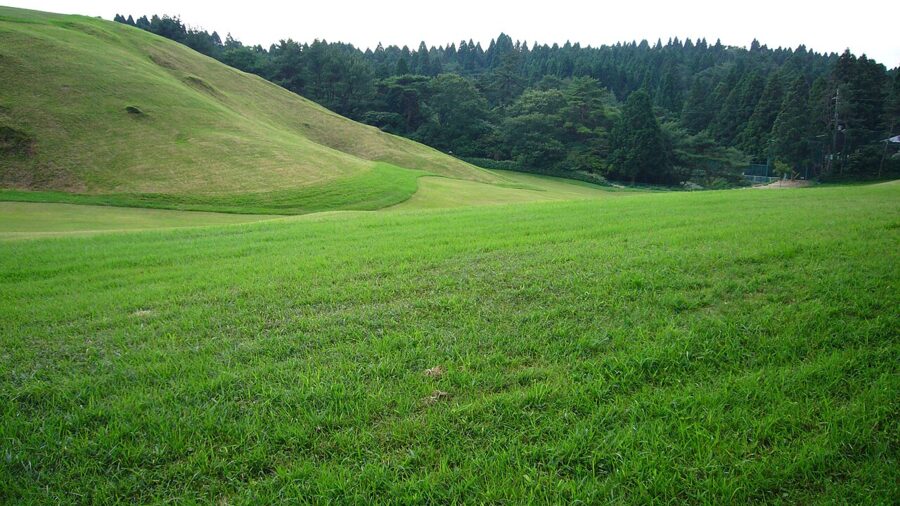
Rokko’s summit area is a plateau of holiday villas, hotels and attractions developed by the foreign residents of Kobe from the Meiji period, who named many of its paths in English. Arthur Groom, a British trader, laid out Kobe Golf Club here, Japan’s first golf course. The Rokko Cable climbs 1.7 km in about 10 minutes to Rokko Sanjo station at 737 meters; the bottom station is a city bus ride from Hankyu Rokko, and the fare is ¥800 one way.
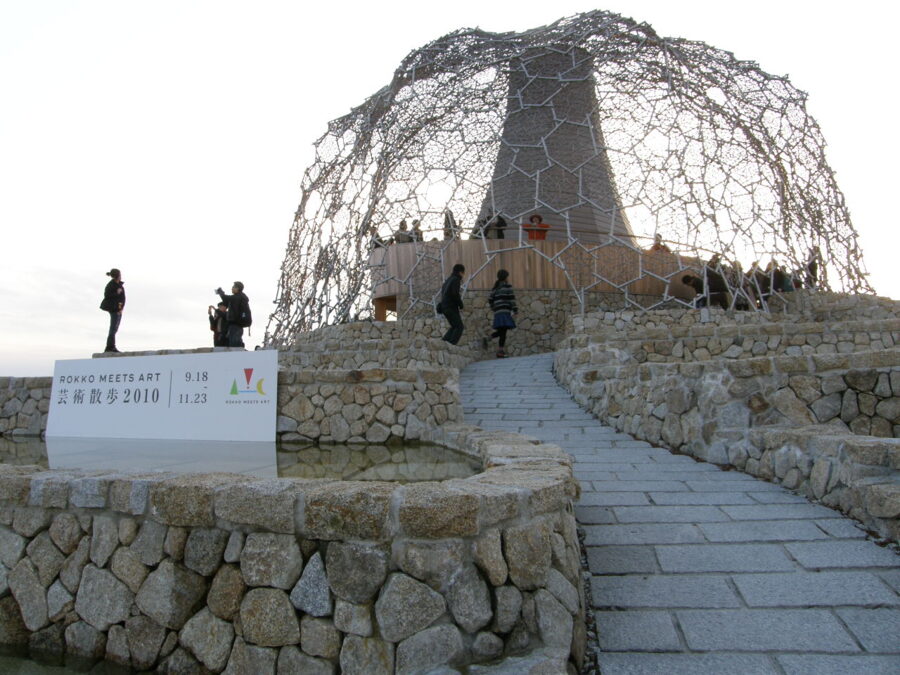
From the top station, the Rokko mountain bus on route 1 reaches Rokko Garden Terrace in about 13 minutes. The terrace is a cluster of restaurants and shops on the edge of the ridge, open daily with each shop setting its own hours, and it looks straight down over Osaka Bay to the Kansai coast. Next to it is the Rokko Shidare observatory, a wooden lattice shell designed by the architect Hiroshi Sambuichi and opened in July 2010, which costs ¥1,000.
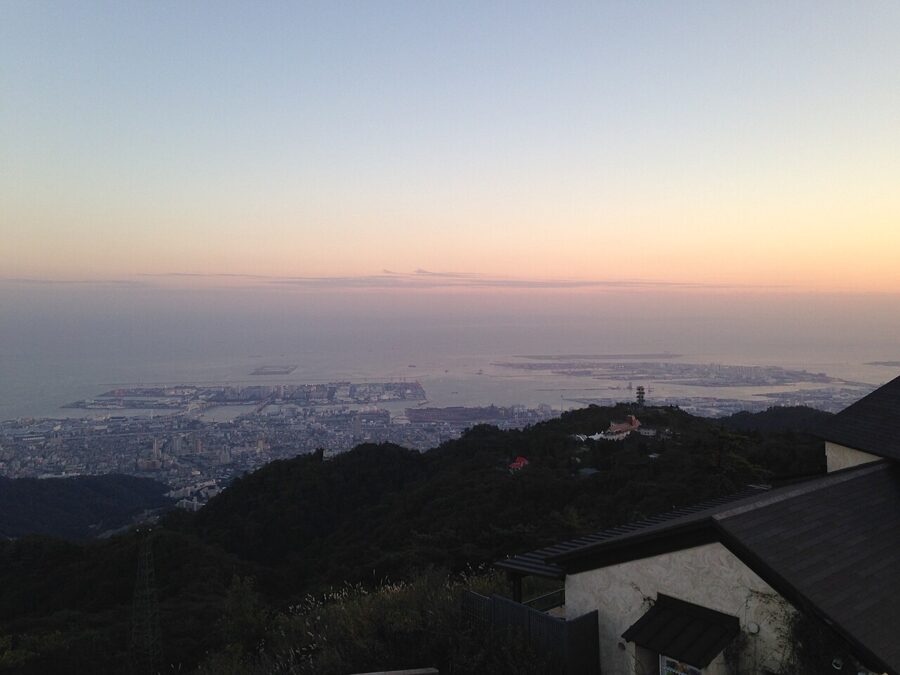


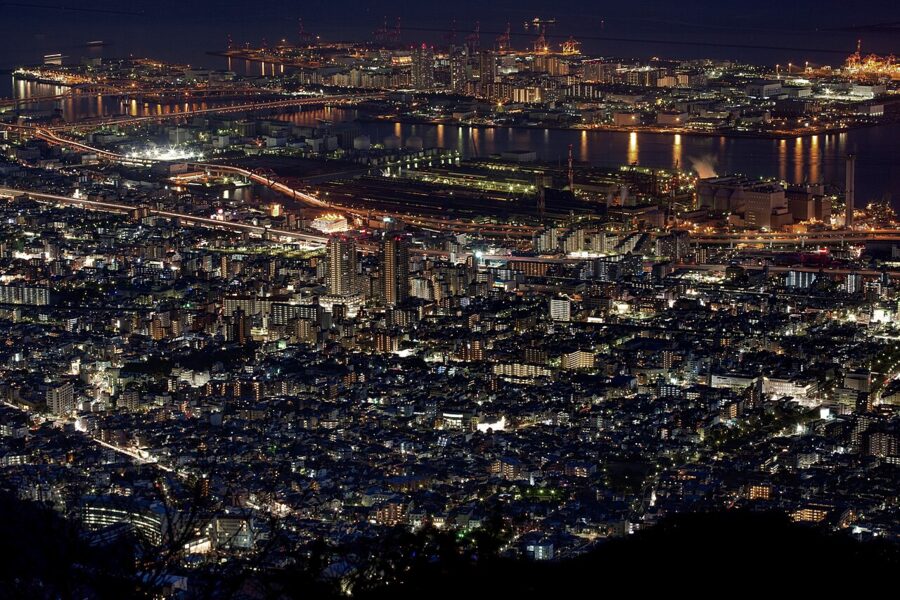
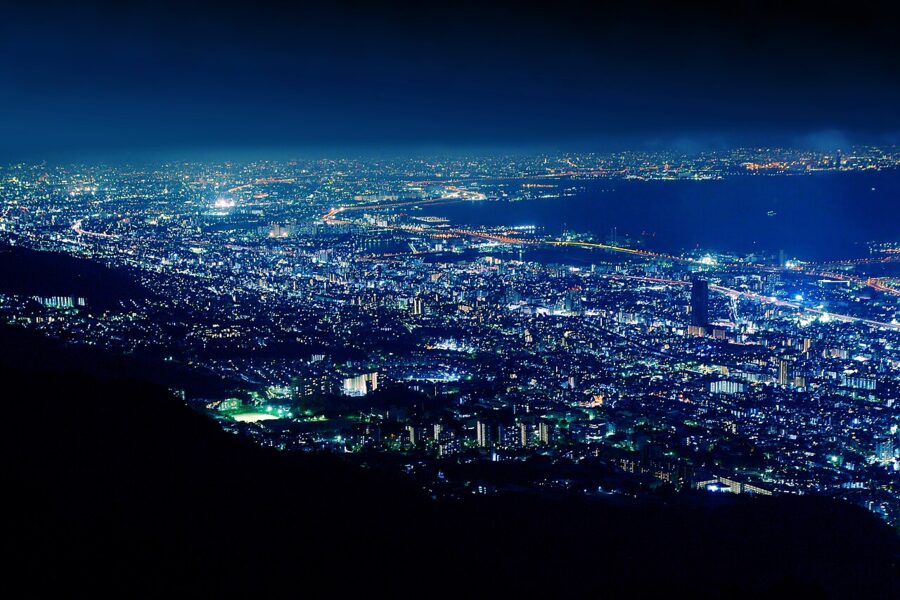
The night view from up here is the one Kobe sells as its “ten-million-dollar view,” and it is worth the cold. From the Garden Terrace the lights run unbroken along the bay from Kobe toward Osaka.

Mount Maya and Kikuseidai
I prefer Maya. It is the peak just west of Rokko, reached by its own cable car and ropeway, and its viewpoint, Kikuseidai, sits at 690 meters, closer to the city and with nothing between you and the lights. It is counted among Japan’s three great night views, with Hakodate and Nagasaki, and on a clear winter night it earns the title.
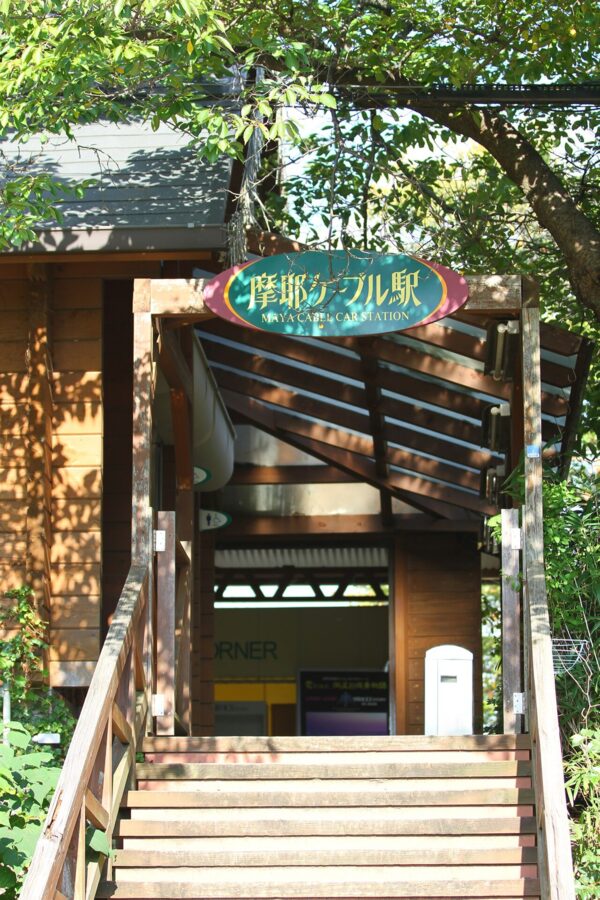
Take city bus 18 from Sannomiya to the Maya Cable Shita stop, which is right at the lower station. The Maya View Line is two rides: the cable car to Niji no Eki, then the ropeway to Hoshi no Eki, a short walk from Kikuseidai. Each costs ¥450 one way or ¥780 return for an adult, so the full trip is ¥900 one way or ¥1,560 return. It closes on Tuesdays.

Check the timetable before you plan an evening. In winter, from 1 November to 19 March, the line runs until about 17:30 on Mondays, Wednesdays and Thursdays but stays open until 20:00 on Fridays, weekends and holidays, which are the nights to go. There are special night runs over New Year, and then the whole line closes for its annual inspection from 12 January to 19 March 2027.

Arima Onsen, for a day or a night
Arima, on the north side of the range, is one of Japan’s oldest hot spring towns and belongs to Kobe’s Kita ward. Its two kinds of water give it its character: kinsen, the “gold spring,” iron-rich and salty, which comes out clear and turns rust-brown in the air, and ginsen, the “silver spring,” a clear carbonated and radium water. From Sannomiya the subway and the Kobe Electric Railway take about 36 minutes for ¥720, the reserved-seat Arima Express bus 30 minutes for ¥780, and from the top of Rokko the ropeway drops down the north face.
The two public baths are the easy way in. Kin no Yu, with the brown water, reopened on 17 March 2026 after renovation; it opens 08:00–22:00 with last entry at 21:30 and costs ¥800, or ¥650 on weekdays outside peak periods. It closes on the second and fourth Tuesday of the month.
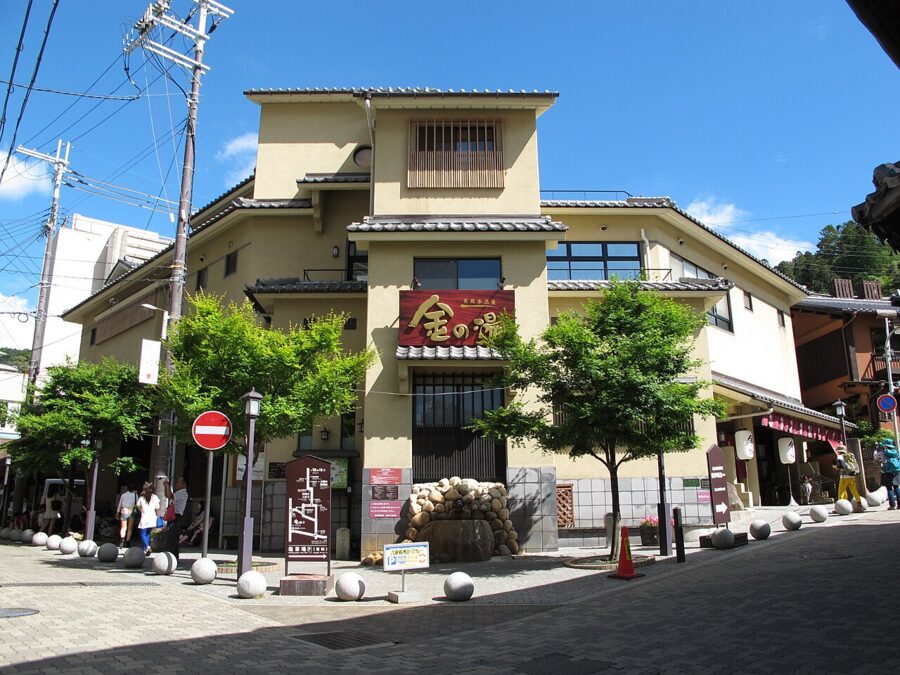

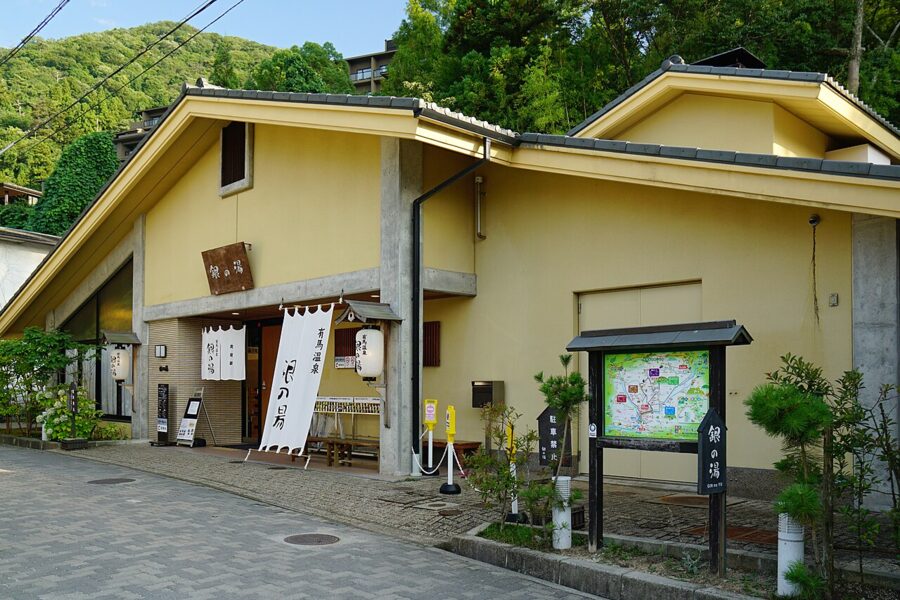
Gin no Yu opens 09:00–21:00 and costs ¥700, or ¥550 on weekdays outside peak periods, closing on the first and third Tuesday. A ticket for both baths costs ¥1,200. Nearby, the Taiko no Yudonokan museum shows the remains of a bath built for Toyotomi Hideyoshi, who came here repeatedly.

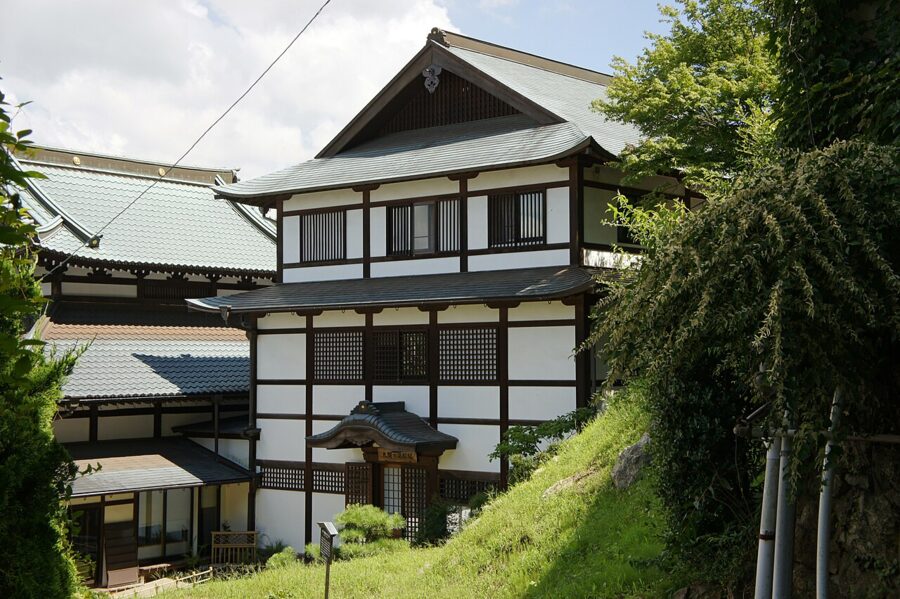

As a day trip, Arima is two hours of soaking and a walk up the river. As a night, it is something else: a ryokan with its own baths of both waters, dinner in your room, and the town to yourself after the day visitors leave. If you are going to spend one night in a ryokan in Kansai and want it within an hour of a big city, Arima is my choice.
Eating Kobe beyond the beef
Kobe beef gets the attention, and the short version is this: eat it where a registered restaurant keeps the small bronze cow on display, expect the real thing to start at around ¥7,000 at the old houses near Sannomiya, and treat a cheap “Kobe beef” lunch with suspicion. Then eat the rest of Kobe, which is cheaper, more local and usually better value.
Sobameshi is the Kobe dish most visitors have never heard of. It started in Nagata’s okonomiyaki shops, where factory workers brought cold rice from home and asked for it to be fried on the griddle with their noodles to save time over lunch. It was a regulars’ order for decades, appeared on a menu by name around 1985 and went national when a frozen version went on sale across Japan in 2000.

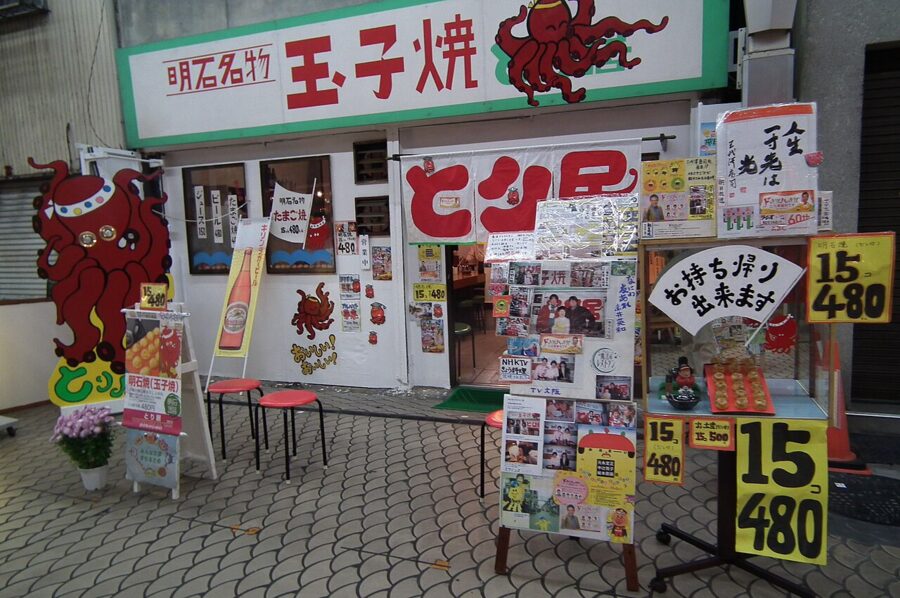
Akashiyaki belongs to Akashi, the next city west of Maiko and a short JR ride on. It looks like takoyaki but is softer and eggier, a ball of egg batter with a piece of octopus inside, and you dip it in warm dashi rather than covering it in sauce. The original shops crowd the Uonotana fish market street by Akashi Station.

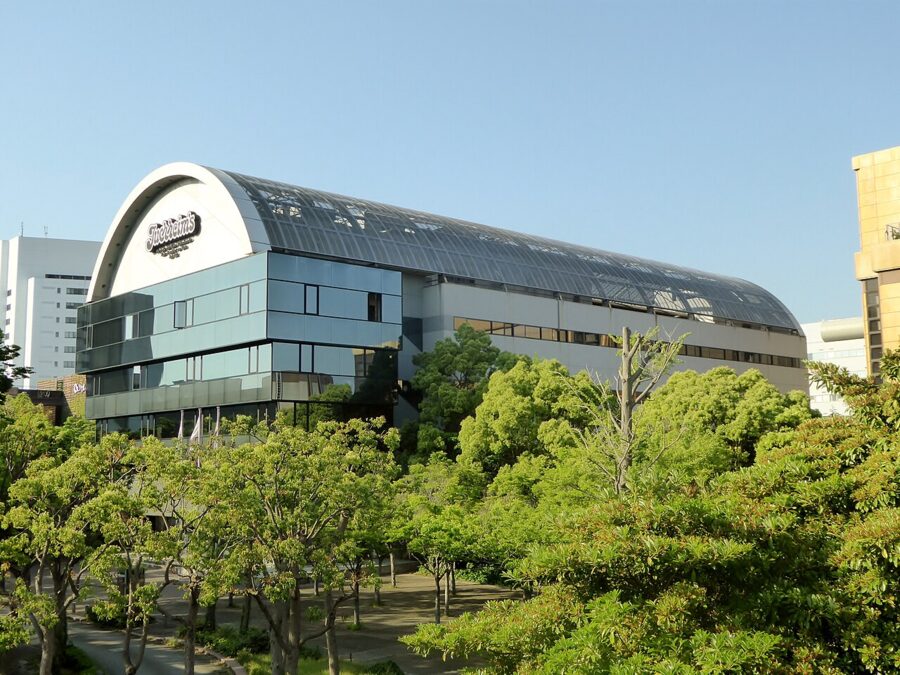
The port also left Kobe a taste for European bread and cakes. Karl Juchheim, a German confectioner who had made the first baumkuchen sold in Japan in 1919, lost his Yokohama shop in the 1923 Kanto earthquake and reopened in Sannomiya; Juchheim is still a Kobe company. Kobe Fugetsudo, founded in 1897, makes the thin cream-filled wafers called gaufres that are the standard Kobe gift box. In the center, Freundlieb bakes in a former church and Isuzu Bakery marked 80 years in 2026.
And drink Nada sake while you are here. The brewery museums sell bottles you will not find abroad, and most izakaya in the city stock at least one local brand. Ask for “jizake” and they will point you to it.
Getting around a long city
Kobe is easy to get around if you remember that everything runs east to west. JR runs through the middle of the coastal strip with locals, rapids and the Special Rapid; Hanshin runs along the sea to the east and through to the Sanyo Electric Railway to the west; Hankyu runs along the foot of the mountains to the east. The subway’s Seishin-Yamate Line goes north through Shin-Kobe and the mountains, and the Kaigan Line serves the waterfront.
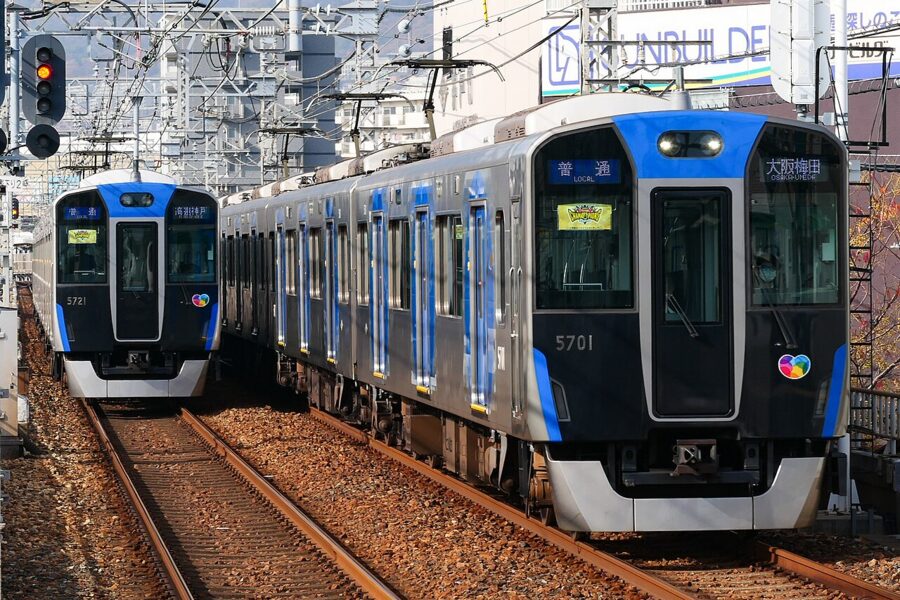
An IC card such as ICOCA works on all of them, and the fares are low enough that a pass rarely pays inside the city. The subway’s one-day pass, a QR code bought online since April 2026, costs ¥980.
| From Sannomiya to | Line | Time | Fare |
|---|---|---|---|
| Kobe (Harborland) | JR | 3–4 min | ¥150 |
| Shin-Nagata | JR local | 9 min | ¥200 |
| Suma | JR | 13–15 min | ¥200 |
| Shioya | JR local | 19 min | ¥240 |
| Maiko | JR | 20–24 min | ¥320 |
| Sumaura-koen | Hanshin or Hankyu, through to Sanyo | 29–37 min | ¥400 |
| Iwaya (art museum) | Hanshin | about 7 min | ¥160 |
Times are the scheduled journey for a weekday late morning in November 2026, and fares are adult, one way, the same by IC card or ticket. Allow longer if you need to walk between the Hankyu and Hanshin stations at Sannomiya.
Kobe as a Kansai base
Kobe is a better base than its reputation. The JR Special Rapid reaches Osaka in 21 minutes, Kyoto in 52 minutes for ¥1,110 and Himeji in about 40 minutes for ¥960, which puts Himeji Castle closer to Kobe than to any other base. The Hanshin and Kintetsu through trains run to Nara without a change, and Universal Studios Japan is a JR trip by way of Osaka and Nishikujo.
Flying in, the limousine bus from Kansai Airport reaches Sannomiya in about 65 minutes for ¥2,200, and the Bay Shuttle boat crosses the bay to Kobe Airport. Shin-Kobe is one subway stop north of Sannomiya for the Shinkansen to Hiroshima, Okayama and Tokyo.
Where to stay
For most trips, stay around Sannomiya or in the Old Settlement, within half an hour of everything here, where the hotels run from compact towers over the stations to harbor-view rooms. Stay at Shin-Kobe if you arrive and leave by Shinkansen. For one night of something different, take the bus over the mountain to Arima and book a ryokan with its own kinsen bath.
The suburbs to the east and west are residential, and I would not stay out there and ride back in each evening. The trains are quick, but the evenings are in the center.
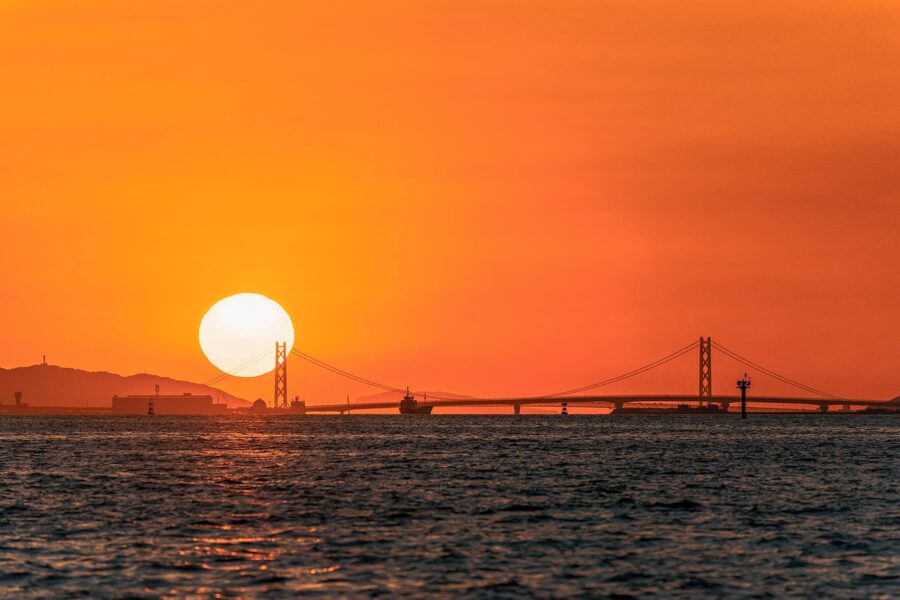
Whichever you choose, give the ends of the city a day. Take the JR local west after lunch, get off at Suma for the beach, ride on to Maiko for the bridge at sunset, and come back to Sannomiya on the train that follows the coast all the way home.