
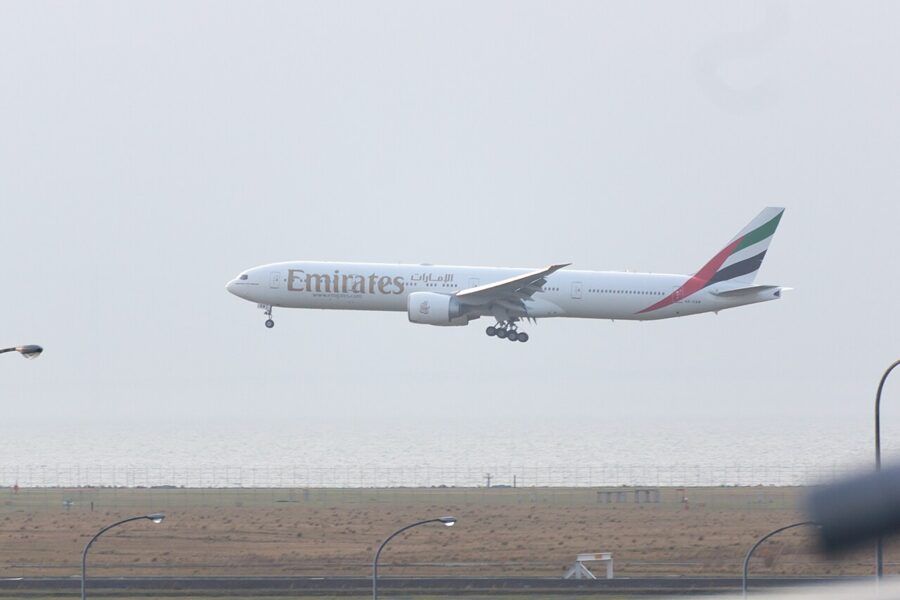

The last forty minutes of the evening are when Kansai Airport talks to Europe. Turkish Airlines pushes back for Istanbul at 22:45, Emirates for Dubai at 23:10, and on the nights it flies, Finnair leaves for Helsinki at 23:25. The daytime nonstops to Munich, Paris and Amsterdam leave between 09:55 and 13:00, and on any given day at least one of them isn’t flying.
That is the shape of it this winter: five airlines fly nonstop to Europe from KIX, only one of them daily, and nobody flies to London. Everything else is a one-stop, and the stop can be Dubai, Doha, Istanbul, Helsinki, Beijing, Seoul, Hong Kong or Tokyo. Which one is right depends on the day of the week, the city at the far end and how much you mind a 05:30 transfer.
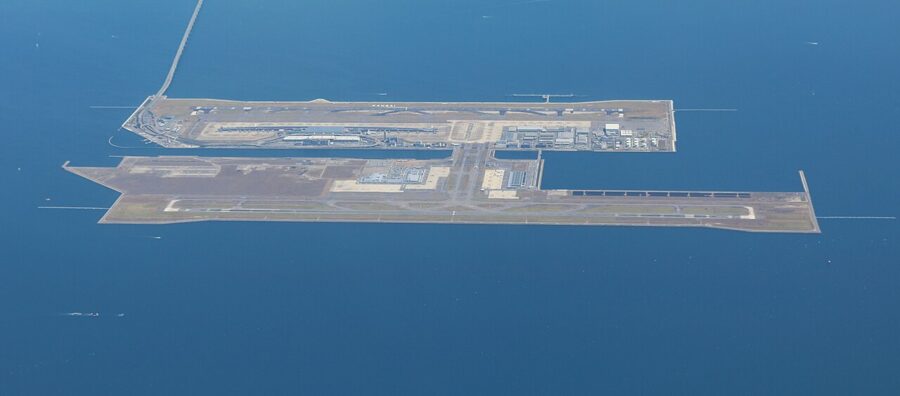

The times here are for the winter 2026/27 season, which runs from 25 October 2026 to 27 March 2027. Airlines trim and add days all season. Treat every frequency as a pattern to confirm on the booking, not a promise.

Contents
- What closing Russian airspace did to the map
- The nonstops from KIX this winter
- Emirates via Dubai
- Qatar via Doha, and Etihad in summer
- One stop through Asia
- KIX or Tokyo?
- Fares, seasons and the extras Japan adds
- Leaving from KIX
- If you live in Kansai: re-entry and tax-free
- Quick reference: nonstop and Gulf flights, winter 2026/27
What closing Russian airspace did to the map
Until February 2022 the quickest way from Kansai to Europe was straight over Siberia, and Finnair built a business on it. Helsinki sits close to the great-circle line from Osaka to most of Europe, and Finnair’s Japan flights took about nine and a half hours. When Russia closed its airspace to European airlines at the end of that month, Finnair cancelled its Japan flights for a week and came back on 9 March 2022 on a route around Russia that runs about four hours longer.
The EU airlines at KIX all fly the long way now. KLM’s Osaka to Amsterdam is scheduled at 14h20 this winter, Air France’s Paris flight at 14h55 and Lufthansa’s Munich flight at 14h25. With the jet stream behind them, the flights back to Kansai run one and a half to two and a half hours quicker; Finnair is the exception, at 13h05 out and 12h50 back.
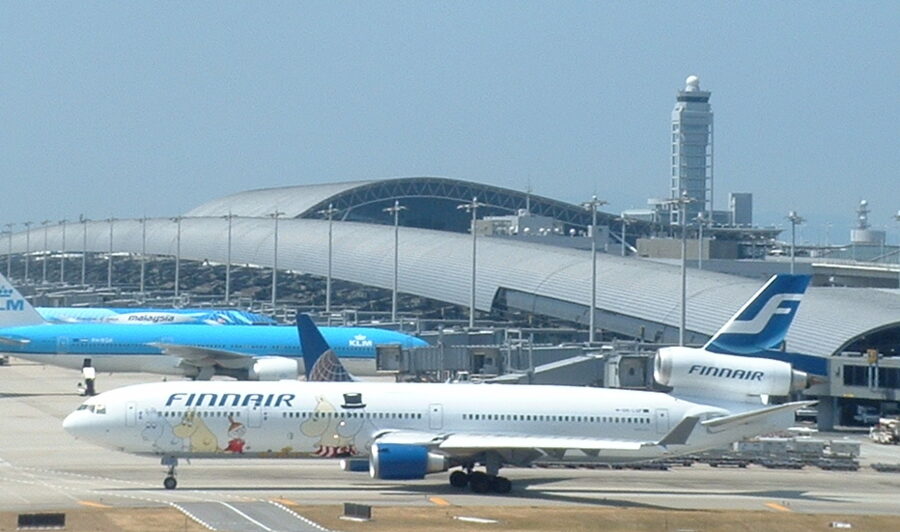

The detour changed the arithmetic for the one-stops. When a nonstop takes 14 hours and a flight to the Gulf takes 11, a change in Dubai or Doha costs far less than it used to, and Istanbul, a long way further west already, became a serious hub for Kansai. The odd ones out are the Chinese airlines. They still cross Russia, and that is why the quickest one-stop from Kansai to London on a December Thursday goes through Beijing.

The nonstops from KIX this winter
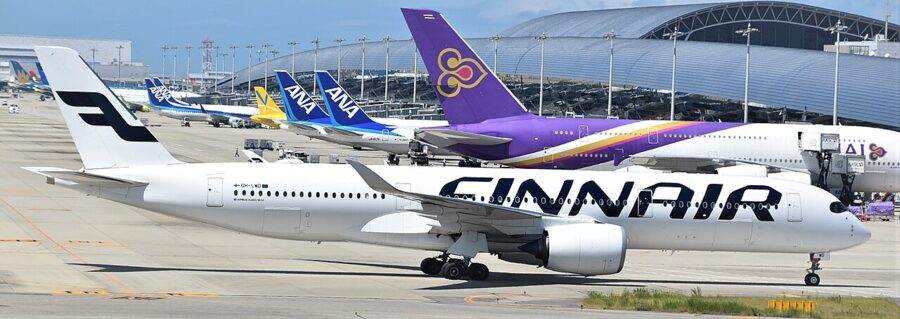
Five airlines fly nonstop from Kansai to Europe in winter 2026/27, and between them they reach five cities: Helsinki, Paris, Amsterdam, Munich and Istanbul. No Japanese airline flies from KIX to Europe at all; JAL and ANA keep their European flying in Tokyo. Every one of these flights leaves from Terminal 1.
The catch is frequency. Only Turkish flies every day. Air France, KLM and Lufthansa run three a week each in winter, on different days, and Finnair ran three or four depending on the week. If your dates are fixed, the airline usually chooses itself.
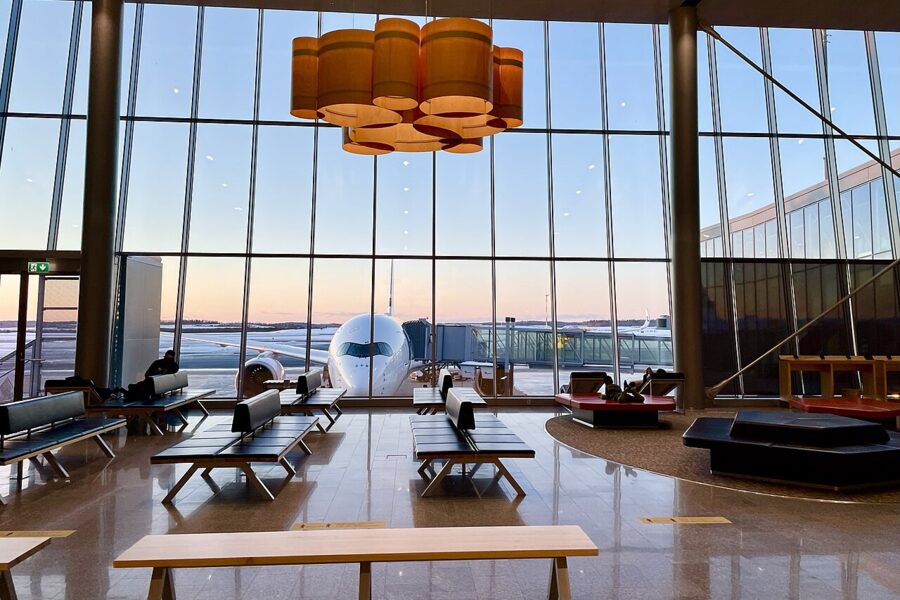
Finnair to Helsinki
AY68 leaves KIX at 23:25 and reaches Helsinki at 05:30 the next morning, a 13h05 block. In the week of 7 December it flies Mondays, Thursdays, Saturdays and Sundays; in a February week the airport’s schedule shows three flights, on Monday, Thursday and Saturday. The return, AY67, leaves Helsinki at 17:00 and lands in Kansai at 12:50 the next day.
The late departure is the reason I’d pick it for Scandinavia and the north. You land at dawn with Finnair’s first wave of European departures still ahead of you: on 10 December the connection gets you to Stockholm at 07:10 local time, 15h45 after leaving Osaka, and to Copenhagen in 16h45. Summer is easier, with the schedule showing a flight every day in July 2027.

Air France to Paris
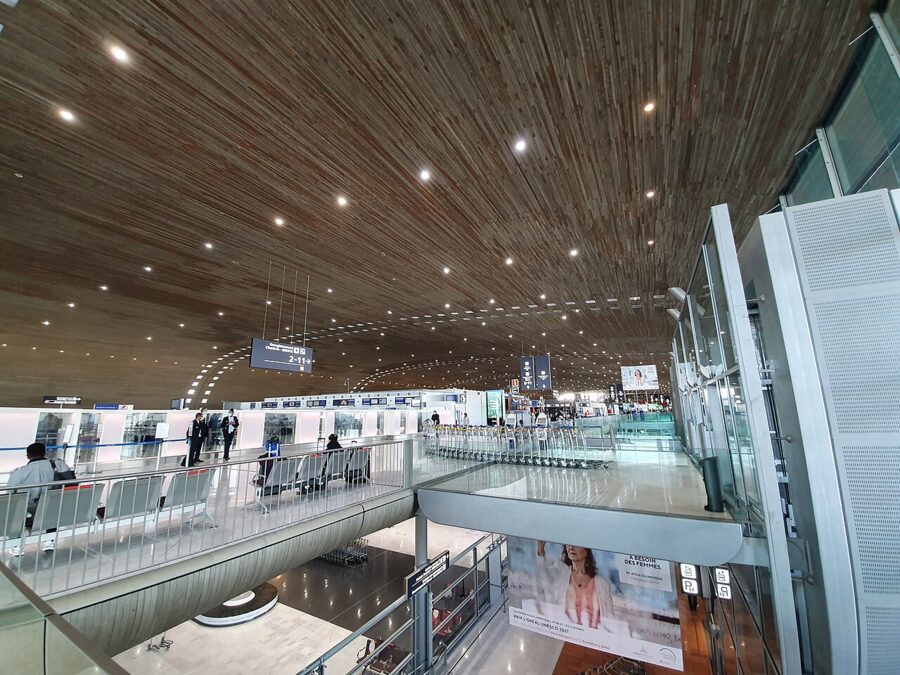
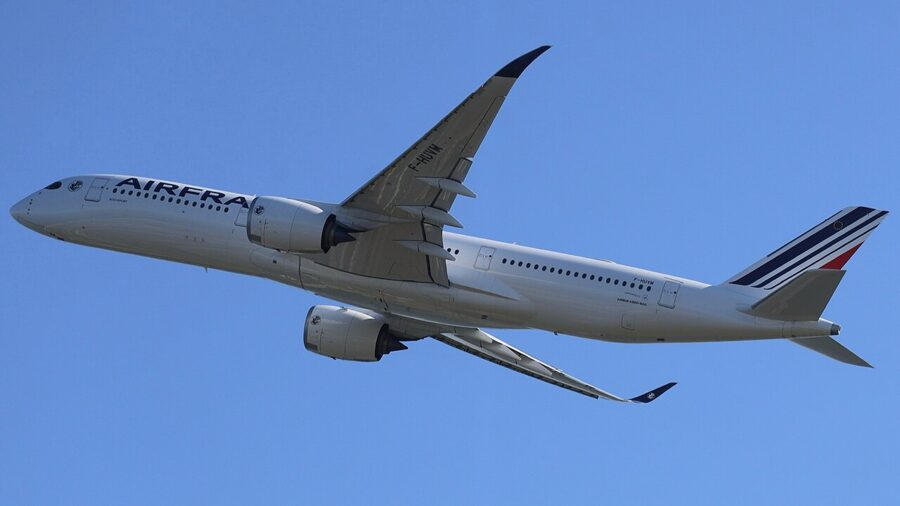
AF291 is the daytime option: 12:15 from KIX, 19:10 into Charles de Gaulle, 14h55. In December it runs on Mondays, Wednesdays and Saturdays, the same days show in February, and July 2027 adds a fourth. Coming back, AF292 leaves Paris at 13:40 and lands at Kansai at 10:30 the next morning.
The 19:10 arrival still makes the evening bank at Charles de Gaulle. On Wednesday 9 December the onward Air France flights reach Vienna 18h35 after leaving Osaka and Madrid in 18h50, and the 21:00 shuttle to Heathrow gets you to London in 18h10. That is quicker than any Gulf routing to the same cities, on the three days it runs.

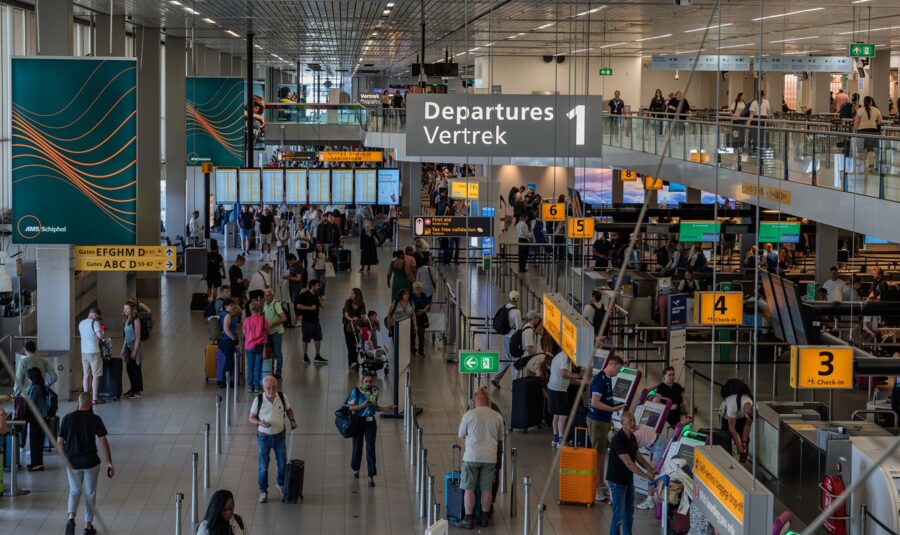
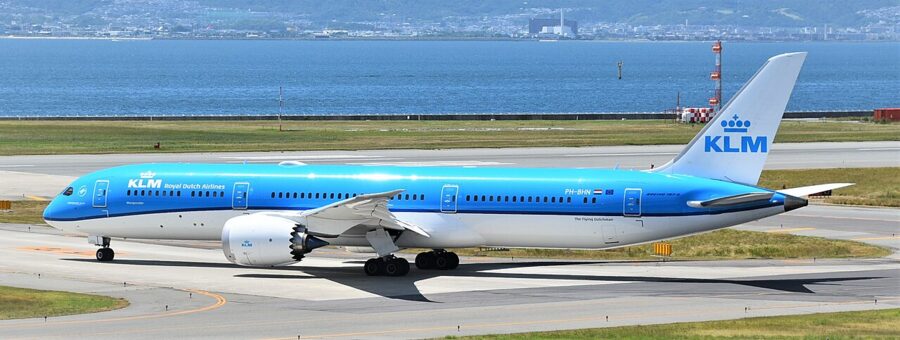
KLM to Amsterdam
KL868 leaves at 13:00 and reaches Schiphol at 19:20, 14h20. Winter days are Tuesday, Thursday and Sunday. KL867 comes back from Amsterdam at 14:35 and lands at KIX at 11:20 the following day.
For connections it is the best of the nonstops, because Schiphol runs a late bank of short flights timed for long-haul arrivals. On a December Thursday, KL868 connected to London in 16h50 total, to Prague in 17h20, to Zurich and Frankfurt in 17h25 and to Vienna in 17h50. If you live in Kansai and your family is in Western Europe, this is the flight to plan around, even if it means choosing your travel days by it.

Lufthansa to Munich
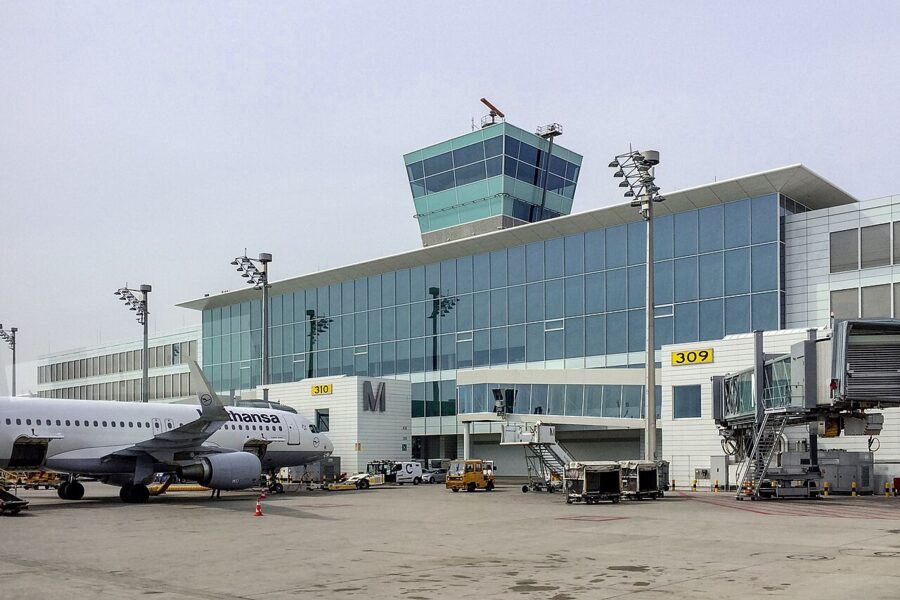
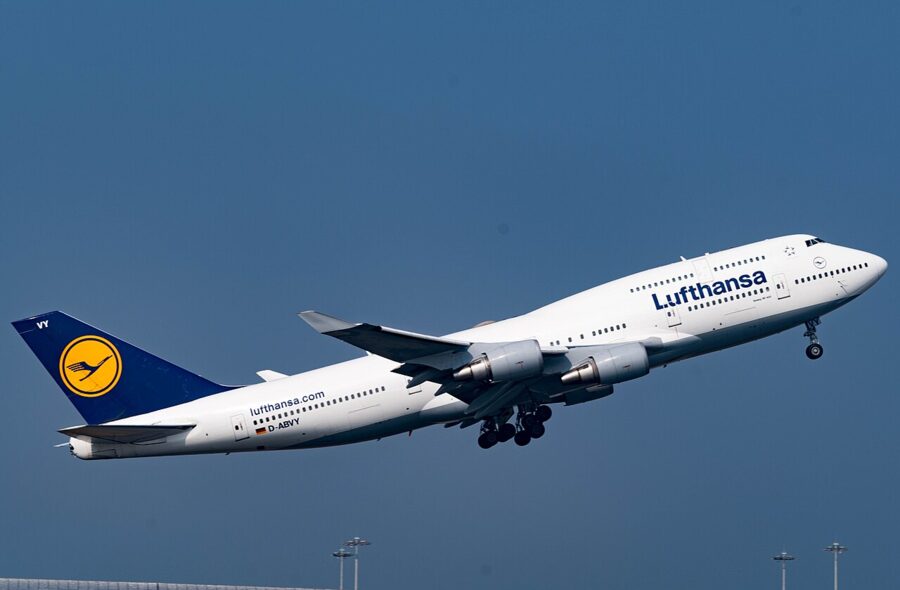
LH743 is the earliest of the European departures, 09:55 from KIX and 16:20 into Munich, 14h25. It runs Tuesdays, Fridays and Sundays in December, but the airport’s schedule shows a gap in the middle of the winter: no flights on any Sunday from 17 January to 14 February 2027, with the route back from 21 February. The summer schedule has it daily in July.
Munich at 16:20 still connects the same evening; on 8 December, Austrian’s 19:15 to Vienna gets you there 18h25 after leaving Osaka. Coming back, LH742 leaves Munich at 12:25 and lands at 08:15, which is the best arrival time of the lot if you have work the next day. If you are flying in late January, check that your date has a flight before you plan the rest of the trip around it.


Turkish Airlines to Istanbul
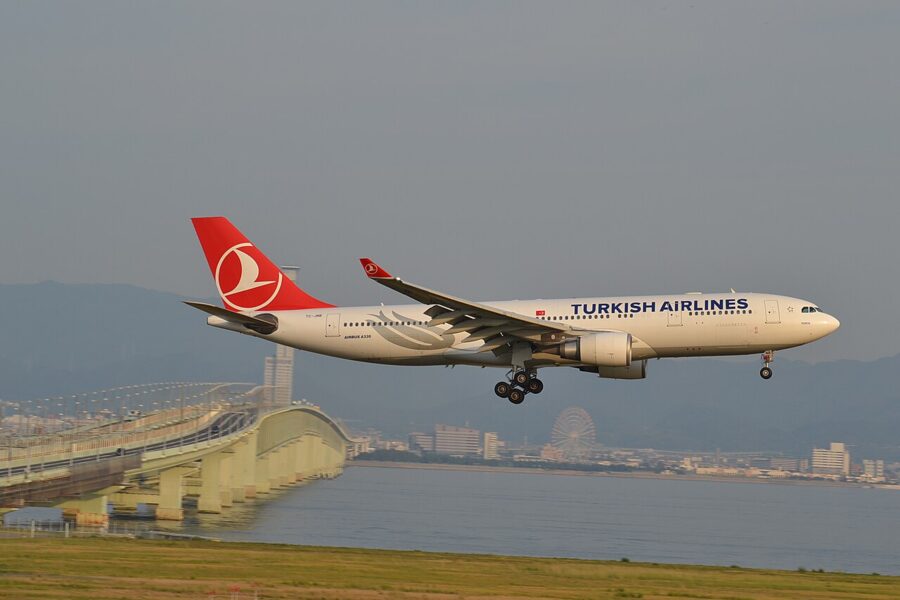
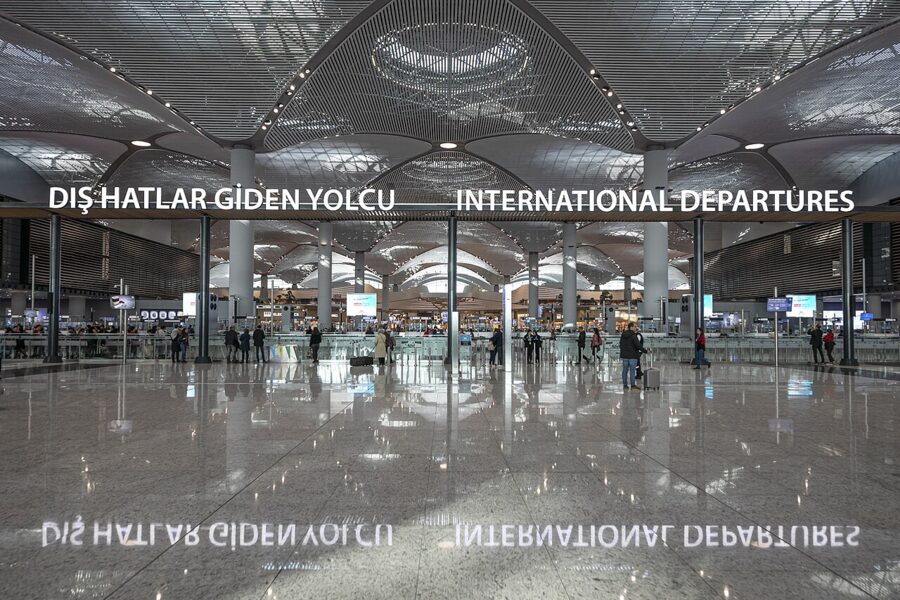
TK87 is the only European nonstop that flies every day: 22:45 from KIX, 05:50 into Istanbul, 13h05. TK86 comes back from Istanbul at 02:25 and lands at 19:10, a 10h45 block. Depending on where you draw Europe’s edge, this is either a nonstop to Europe or the best one-stop in the region.
Istanbul’s morning bank is huge, and the connections from TK87 are some of the quickest anywhere. Athens comes in at 16h55 total, Budapest at 17h30, Vienna at 17h35 and Prague at 17h50; London, Madrid and Lisbon take 19h40 to 20h50. For Greece, the Balkans and Central Europe, I’d book Turkish first and compare everything against it.


Who doesn’t fly from KIX
British Airways came back to Kansai in summer 2019 after about twenty years away, stopped in 2020, and has not returned; the airport’s schedule shows no London nonstop as far ahead as July 2027. Lufthansa has no Frankfurt service, and the schedule shows nothing nonstop to Rome, Warsaw or Zurich this winter either. If one of those cities is your destination, you are connecting, and the only question is where.
Emirates via Dubai
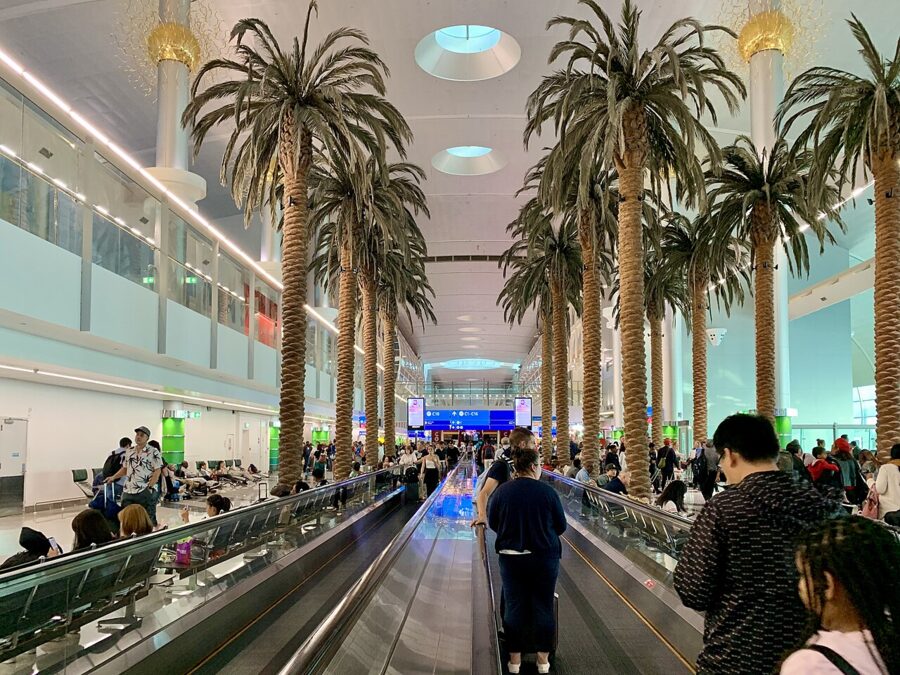
For a lot of Kansai residents, Emirates is the default way to Europe, and the timetable explains why. EK317 leaves KIX at 23:10 every night, lands in Dubai at 05:30 after 11h20, and from 07:05 Dubai sends the first wave of the morning to almost every European city you would want. The return, EK316, leaves Dubai at 03:05 and lands in Kansai at 17:05, nine hours later.
On Thursday 10 December, total time from Osaka to arrival ran between 21h10 and 21h55 for most of Western Europe: London 21h30 on EK1, Paris 21h15, Rome 21h30, Madrid 21h30, Barcelona 21h40, Lisbon 21h40, Dublin 21h10, Vienna and Zurich 21h15, Munich and Prague 21h20, Frankfurt and Amsterdam 21h35. The wait in Dubai runs from about an hour and a half to four and a half hours.

So when does it beat a nonstop? On any day the nonstop does not fly, which in winter is four days out of seven for Paris, Amsterdam and Munich. When your city is not one of the five nonstop cities and the Gulf connection lands earlier than a European one. And when you would rather lose a night than a day: the 23:10 departure means your last day in Kansai is a full one, and you land in London before noon.
Where it loses is against the good European connections. KLM through Amsterdam reaches London about four and a half hours faster and Vienna about three and a half hours faster, and Turkish through Istanbul beats it to everything east of Munich. On a day KLM flies, Emirates is the backup, not the plan.
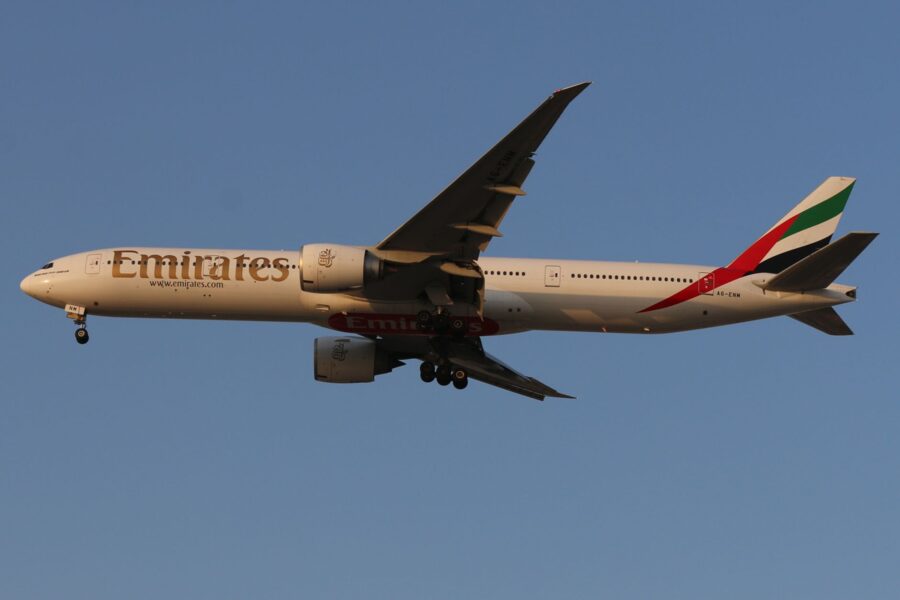
The aircraft has changed over the years. Emirates first put an A380 on the Osaka route in winter 2018, after years of 777s and, before them, A330s and A340s. If the upper deck or a particular seat matters to you, check the seat map for your exact date rather than trusting a photo of the route from another year.
Qatar via Doha, and Etihad in summer
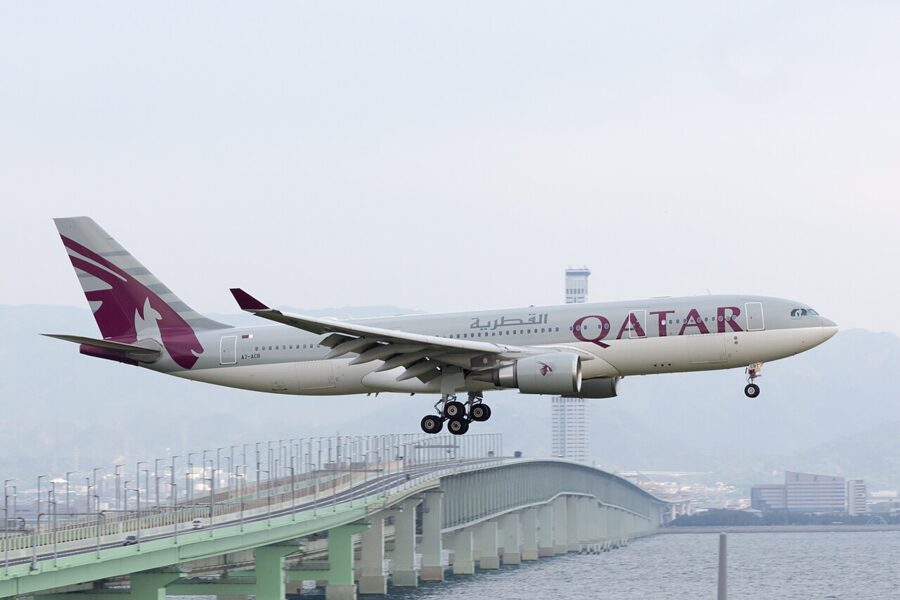
Qatar Airways’ QR803 is the early evening alternative: 17:55 from KIX, 00:05 into Doha, 12h10. It flies five days a week this winter, Monday, Tuesday, Thursday, Friday and Sunday in the second week of December. QR802 comes back at 01:25 from Doha and lands at 16:25.
Doha’s overnight bank sends flights to Europe between about 01:15 and 03:00, which gives totals close to Dubai’s: Prague 20h25, Budapest 20h30, Paris 20h40, Rome and Madrid 20h50, Dublin 21h05, London 21h30. You land in Europe early in the morning, having slept, in theory, on two flights. In practice the connection at one in the morning is the part that hurts, and I’d only choose Doha over Dubai for the fare or the alliance.

Etihad’s Abu Dhabi flight is seasonal. The airport’s schedule shows nothing to Abu Dhabi in December or February, then EY815 on the timetable from mid-March 2027 and on most days of the week through the spring and in July. If you are flying in summer, add it to the comparison; in winter it is not there.
One stop through Asia
The Asian hubs get dismissed as the long way round, and some of them are. Others are faster than the Gulf. The times below are totals from Osaka departure to European arrival on Thursday 10 December, layover included.
Beijing and Shanghai
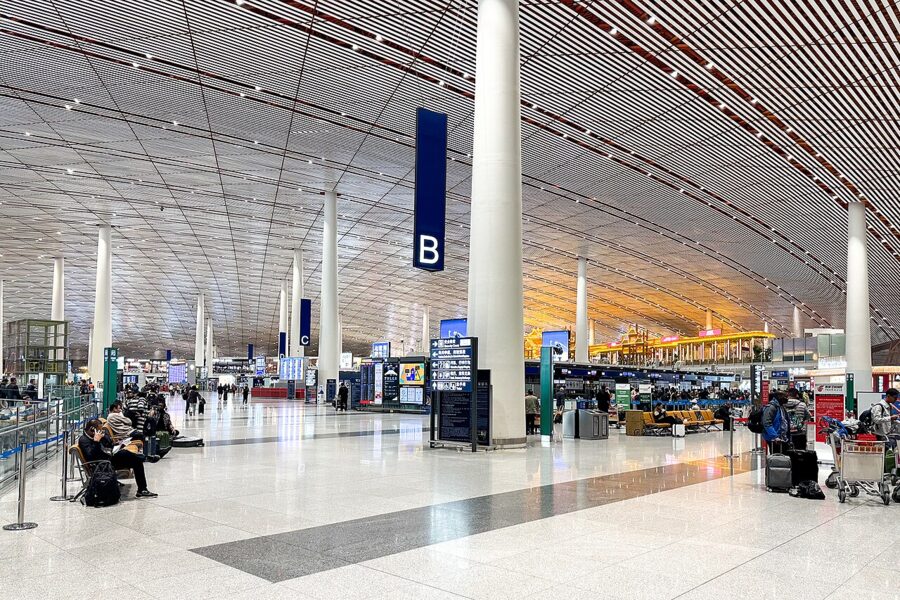
This is the surprise. Because Chinese airlines still fly across Russia, a change in Beijing on Air China gives the fastest one-stops from Kansai to Northern Europe: Copenhagen in 15h00, Stockholm in 15h20, London in 15h55, Frankfurt in 16h15, Paris in 16h40. The 09:00 departure from KIX connects to the midday European flights from Beijing Capital.
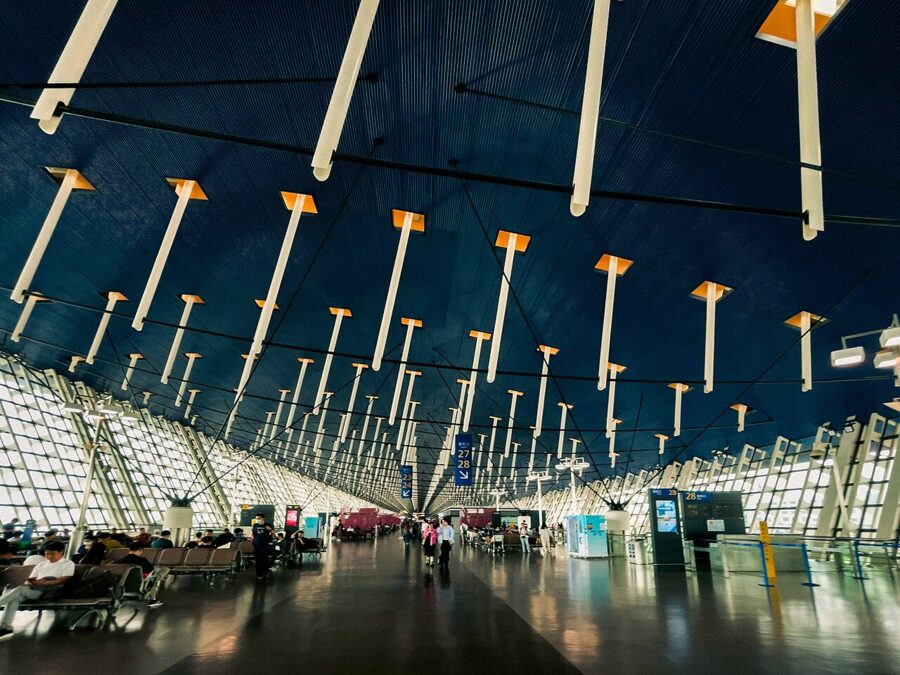
China Eastern through Shanghai Pudong is a little slower, with Stockholm and Copenhagen at 16h40 and Rome at 17h20. Check the transit rules for your passport before you book either one. I would keep the whole trip on one ticket and not try to build a Beijing connection myself.


Seoul
Incheon is about two hours from Kansai, and the airport’s connection search builds itineraries with a morning or evening flight to Seoul and a European airline onward: Lufthansa from Incheon to Frankfurt for 17h40 in total, and SAS to Copenhagen, also 17h40. The long leg is on a European airline that has to go around Russia, so it is not quick. Seoul makes sense when the fare is right or when you want to break the trip in a city, not for the clock.
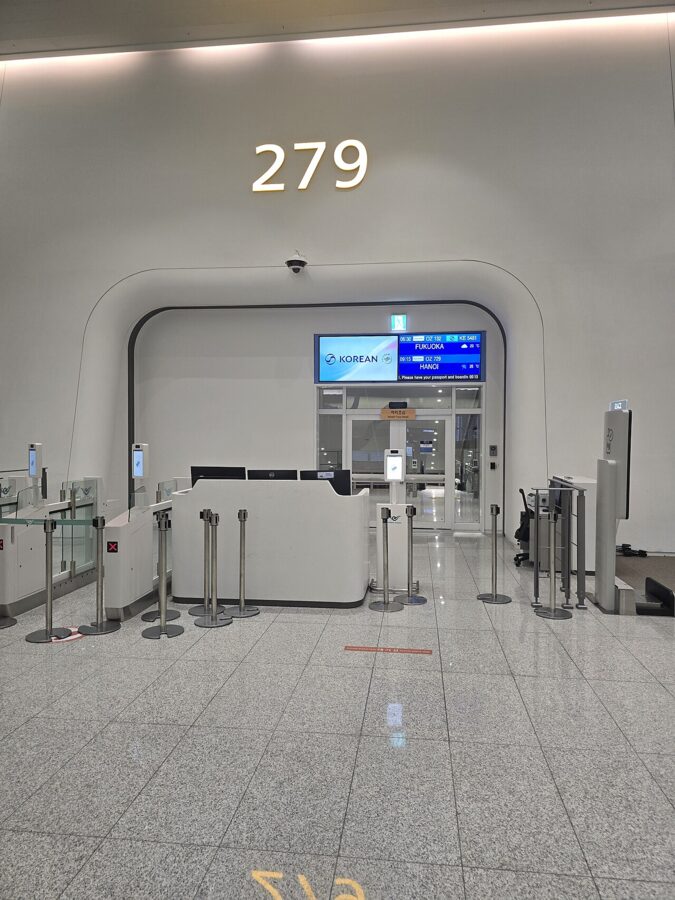

Hong Kong
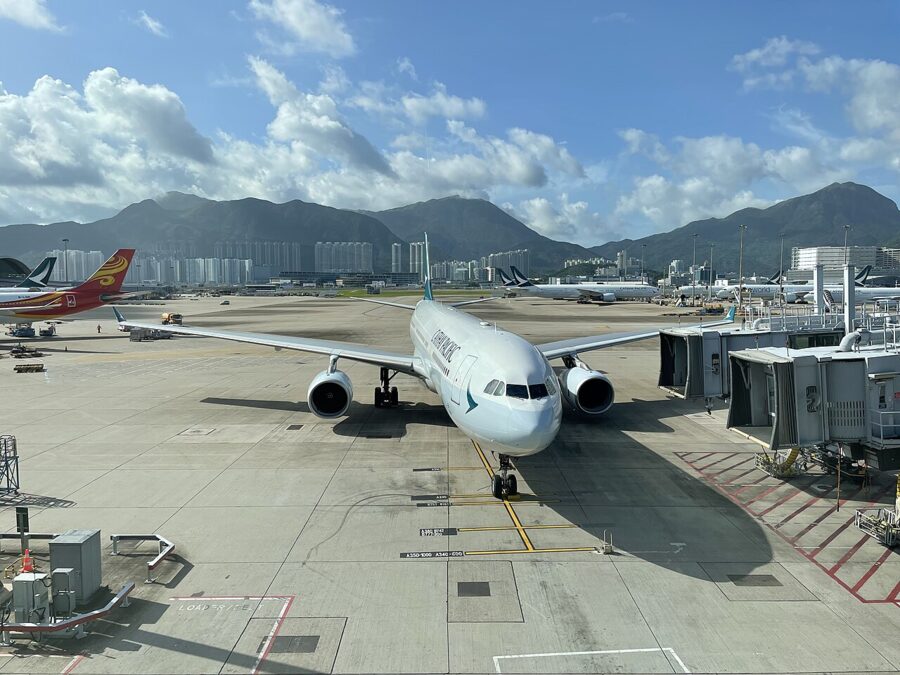
Cathay Pacific’s evening flights to Hong Kong connect to the overnight departures to Europe: Frankfurt in 19h05, Amsterdam in 19h35, Zurich in 20h05, London in 20h20. HK Express and Peach also fly the first leg. You lose an evening and a night and land in Europe at breakfast, and I’d use it for the fare or oneworld status rather than the timing.

Taipei
Taipei gives you two airlines with their own European routes: China Airlines connects in Taoyuan to Vienna in 19h50 and Prague in 20h25, and EVA Air to Milan in 19h50. The flight from Kansai leaves at 19:00 and takes 3h25, and the European flights leave Taoyuan between 23:10 and 23:45. For Vienna or Prague on a day Turkish is full, it is the next one I’d look at.

Singapore and Bangkok
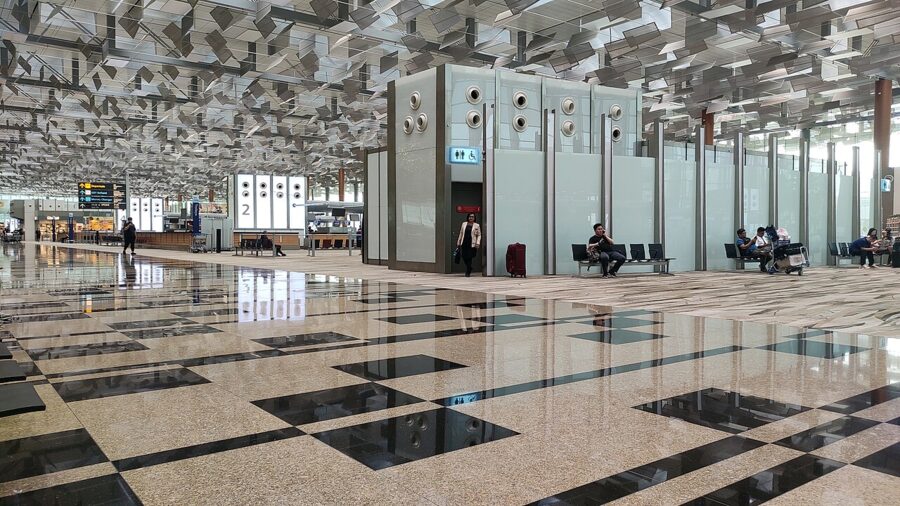
These two are for people who want to stop somewhere warm or who have a fare reason to go south. Through Singapore, Zurich comes in at 21h20 and Barcelona and Munich at 21h50; Thai Airways through Bangkok reaches Frankfurt in 20h30, Copenhagen in 20h55 and London in 22h15. Flying south to fly west adds hours. That is fine if you wanted three nights in Bangkok anyway, and pointless if you did not.

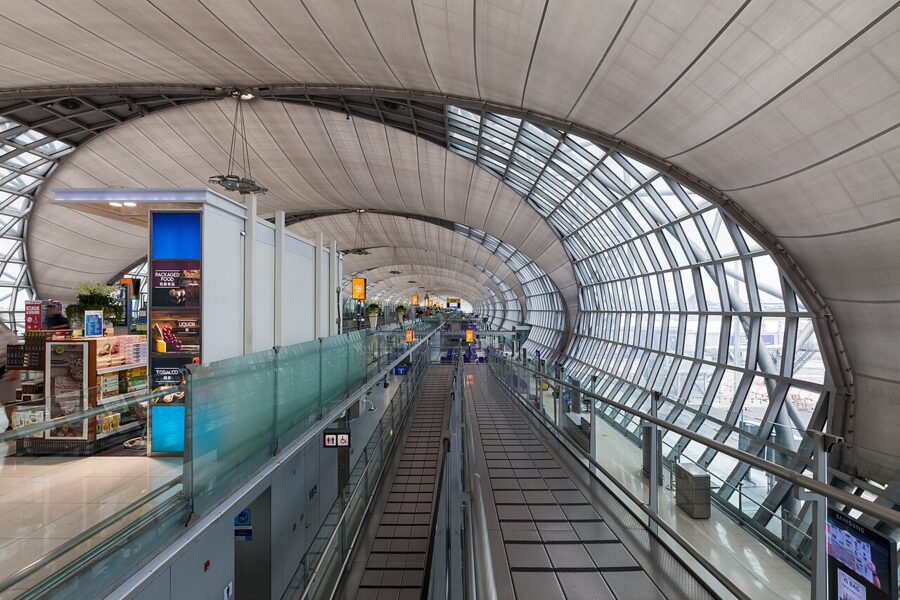

KIX or Tokyo?
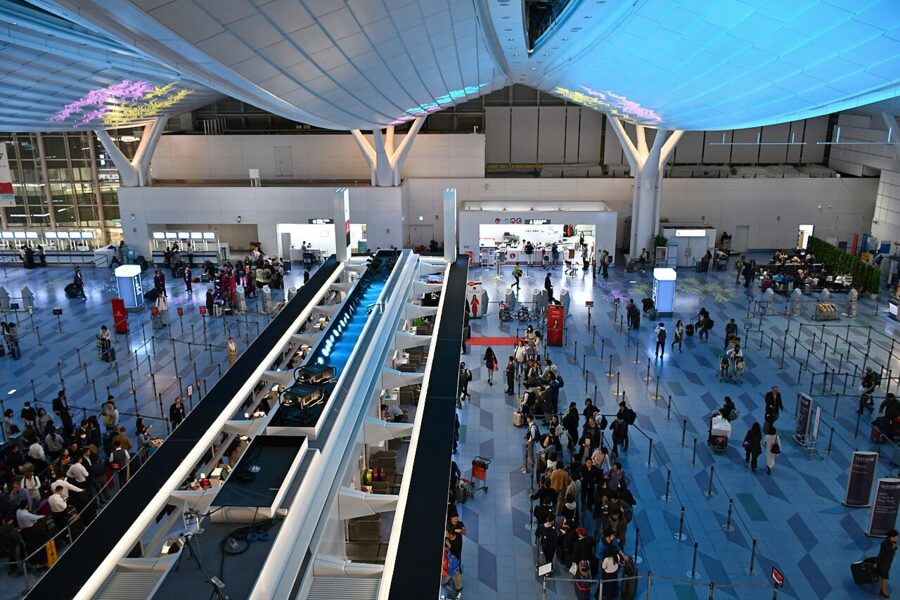
Haneda and Narita have far more nonstops to Europe than Kansai. Connections from Kansai alone show ANA flying from Haneda to Munich and Vienna, ITA Airways to Rome, SAS to Copenhagen and Finnair to Helsinki, with Swiss going from Narita to Zurich. Tokyo has the frequency Kansai lacks. The question is the price of getting there.
If you fly to Tokyo on one ticket, the domestic leg is the airline’s problem. ANA’s 07:05 from KIX to Haneda connects to the SAS Copenhagen departure for a total of 16h15, and its 21:00 to Haneda connects to ANA’s 23:30 Munich flight for 17h20, a good option on the days Lufthansa does not fly from Kansai. If your fare includes the domestic hop, compare it seriously.

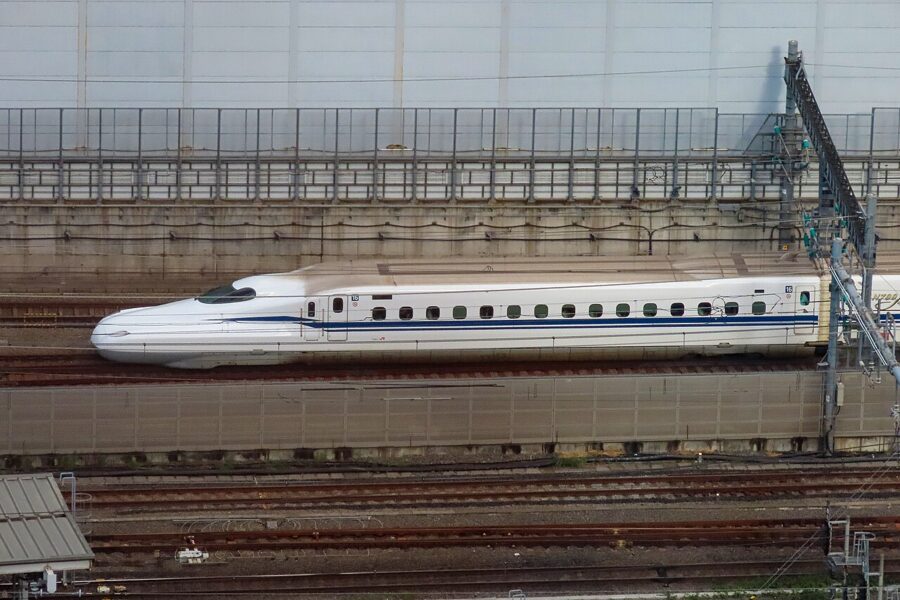
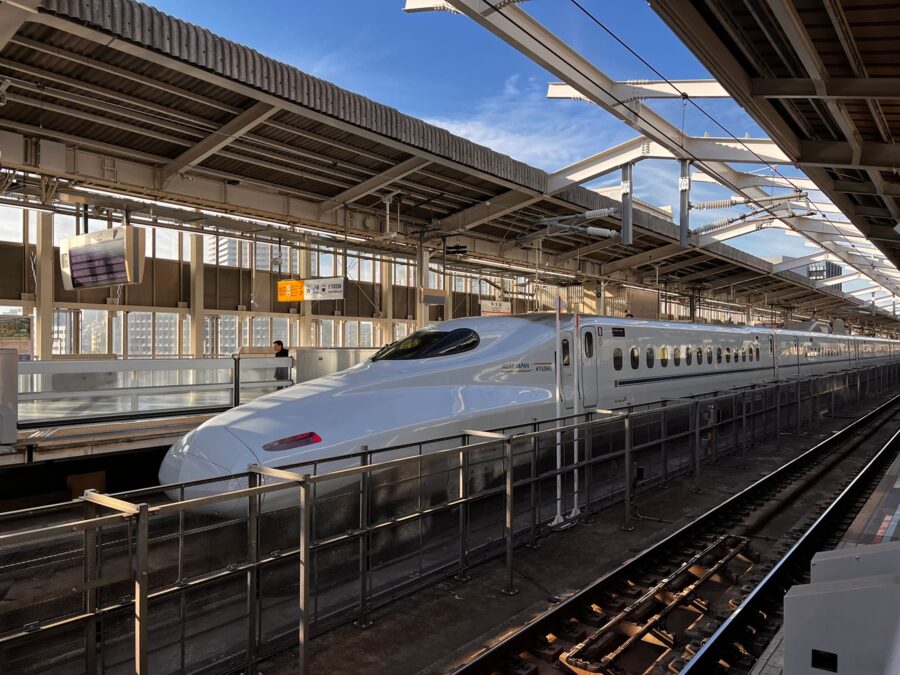
Taking the Shinkansen is a different calculation. The fastest Nozomi from Shin-Osaka to Tokyo takes 2 hours 21 minutes, and you still have to cross the city to the airport. With separate tickets, a late train is your problem and not the airline’s. I’d only do it when the Tokyo fare is a lot lower, when Tokyo has the only nonstop to your city, or when you were going to Tokyo anyway.

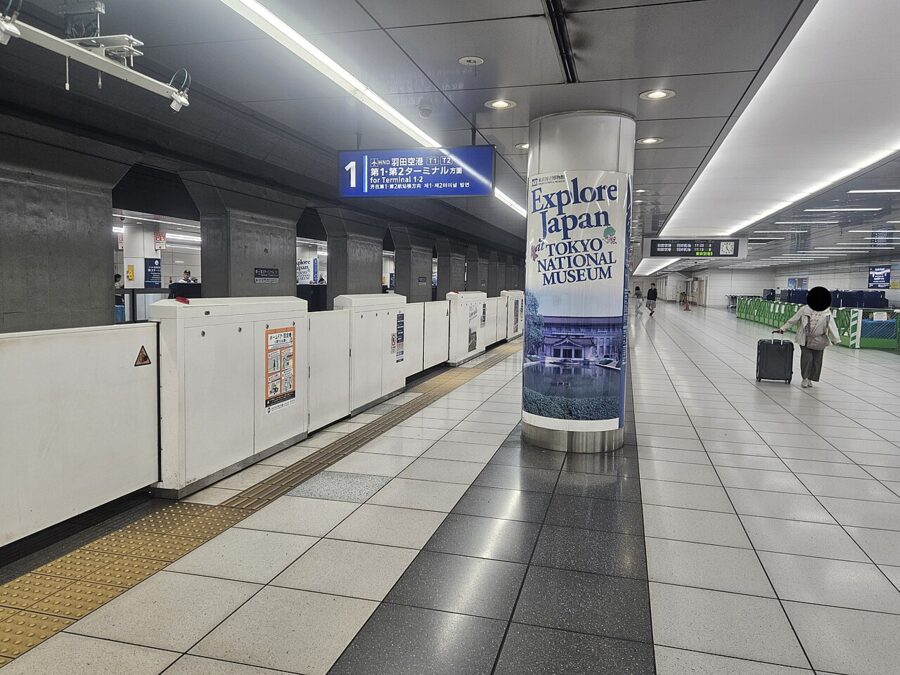

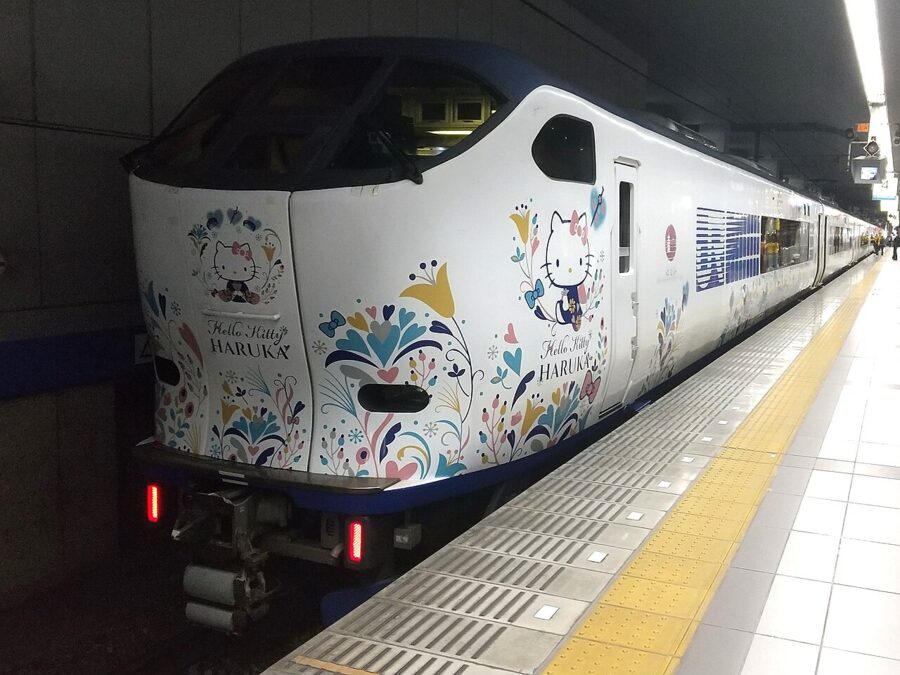
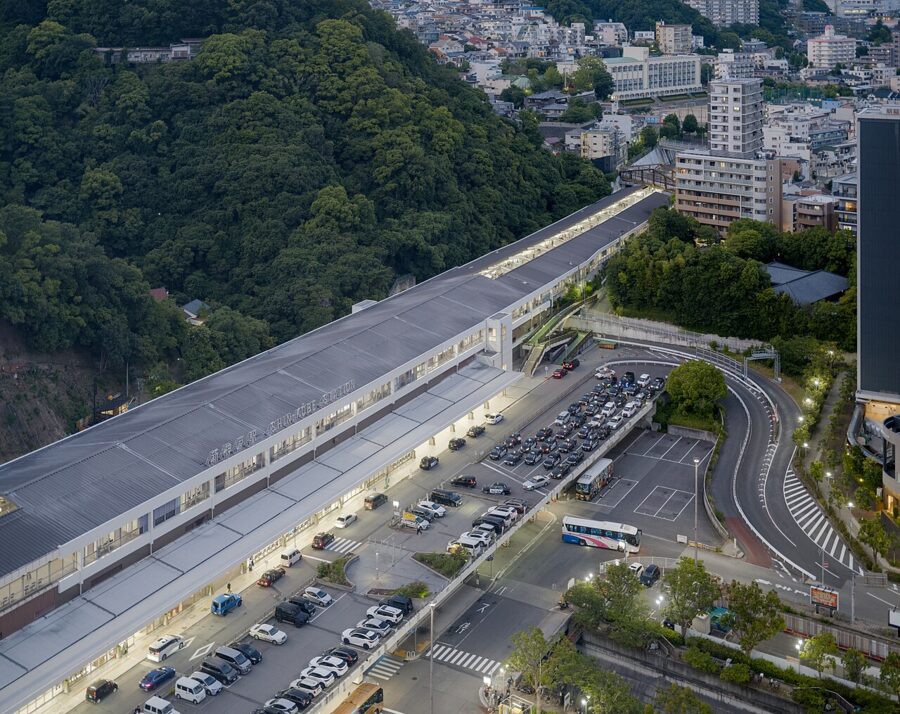
From Kyoto and northern Osaka the real comparison is the Haruka to KIX against the Shinkansen to Tokyo, and for a European trip the Haruka wins unless Tokyo has your flight. Kobe residents starting from Sannomiya have the same choice, with Shin-Kobe, the Shinkansen station, one subway stop away.


Fares, seasons and the extras Japan adds
Fares from Kansai follow the Japanese calendar more than the European one. The three peaks are Golden Week, the run of holidays at the end of April and start of May; Obon, in mid-August; and the New Year holiday at the turn of the year. Expect the outbound days at the start of each and the return days at the end to price highest.
For a sense of scale: on 21 November 2026, KLM Japan was selling round-trip economy fares from KIX, taxes and surcharges included, from ¥178,760 to Amsterdam, ¥179,630 to Barcelona, ¥185,900 to Paris, ¥191,960 to Dusseldorf and ¥204,240 to London. Its lowest Dusseldorf fares fell in January and February. On the same route, leaving on 16 December and returning on 6 January was ¥212,050, while leaving on 18 December and returning on 8 January was ¥309,700.

KLM priced a trip leaving the next day, 22 November, at ¥359,410, nearly double the January fare. On this route, at least, fares from Kansai do not fall at the last minute; they climb. For the peaks, I’d book as soon as the dates are fixed, and for a winter trip I’d start watching about three months out.
Fuel surcharges
Fares bought in Japan carry a fuel surcharge set in yen and revised every two months, and on Europe it is a large part of the ticket. ANA’s surcharge for Japan to Europe, as an example of how Japan prices it, is ¥62,000 each way for tickets bought between 1 November and 31 December 2026, down from ¥65,000 in July and August but up from ¥55,000 in September and October. ANA says the current figures are lower than they would be because of the government’s emergency fuel subsidy, introduced in light of the situation in the Middle East.
Each airline sets its own surcharge, the foreign airlines included, and most fare searches show it inside the total. The practical point is timing. The surcharge depends on when you buy the ticket, not when you fly, so when an increase is announced for the next two-month period, buying before it starts saves real money.
The departure tax went up
Japan’s International Tourist Tax, charged on every departure, went from ¥1,000 to ¥3,000 on 1 July 2026. It applies to residents and visitors alike and is collected with the fare. Tickets bought before 1 July for a fixed date still pay the old rate, which only matters if you are holding one.
Leaving from KIX
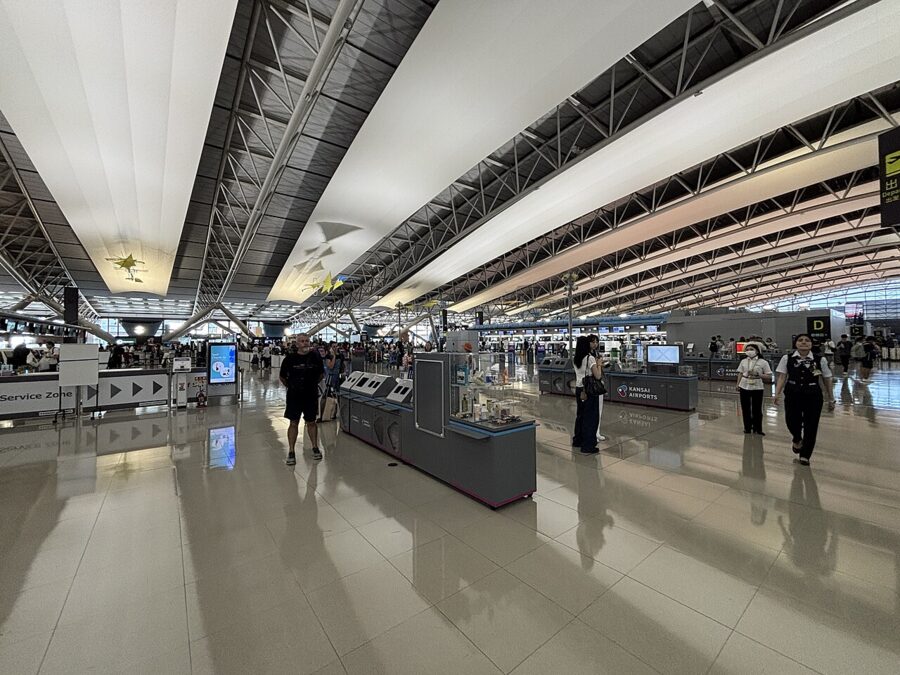
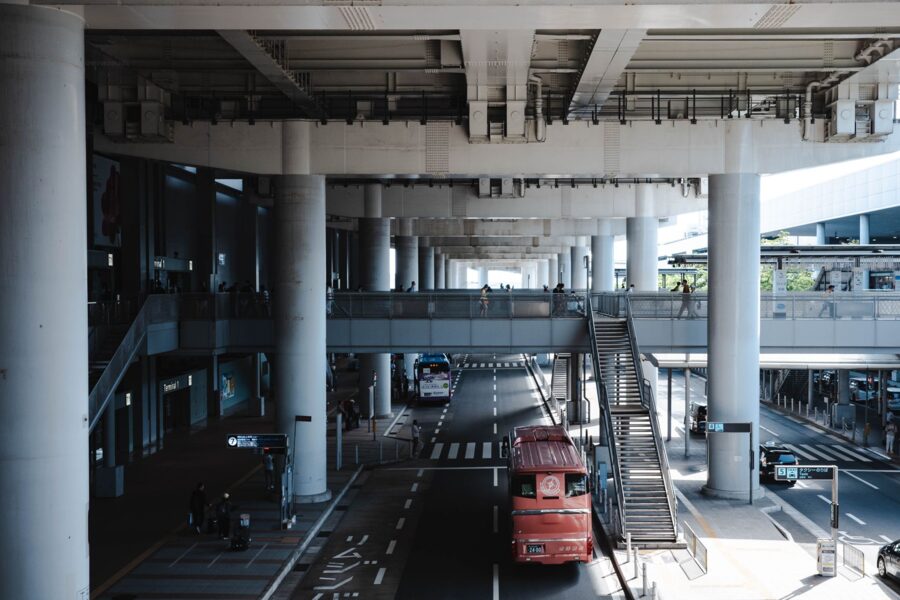
Every Europe and Gulf flight leaves from Terminal 1, so if you end up at Terminal 2 by mistake, you are on the wrong side of the island with a shuttle bus to catch. International check-in and departures are on the fourth floor, and this winter Turkish checks in at island A, Qatar at B, Air France, KLM and Lufthansa at C, Finnair at D and Emirates at F. The airport puts check-in 10 minutes’ walk from the station and about 3 from the bus stops.
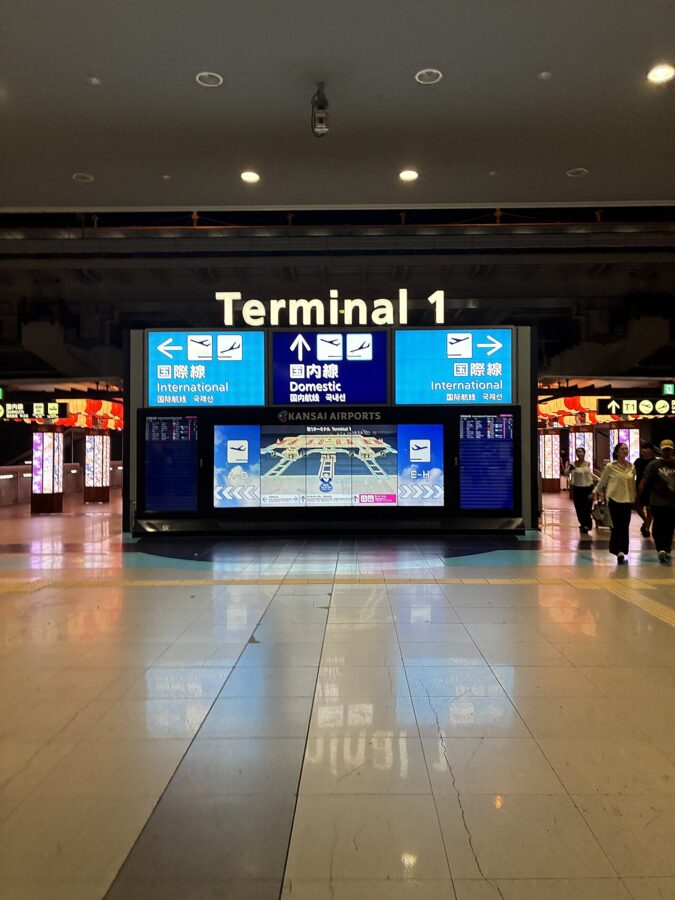

Security and immigration are in the middle of the fourth floor. Visitors staying as temporary visitors can use the facial recognition gates; residents leaving on a re-entry permit cannot, though residents who registered their fingerprints in advance can use the fingerprint gates. If you carry cash or equivalents worth more than ¥1 million, you declare it to customs on the way out.
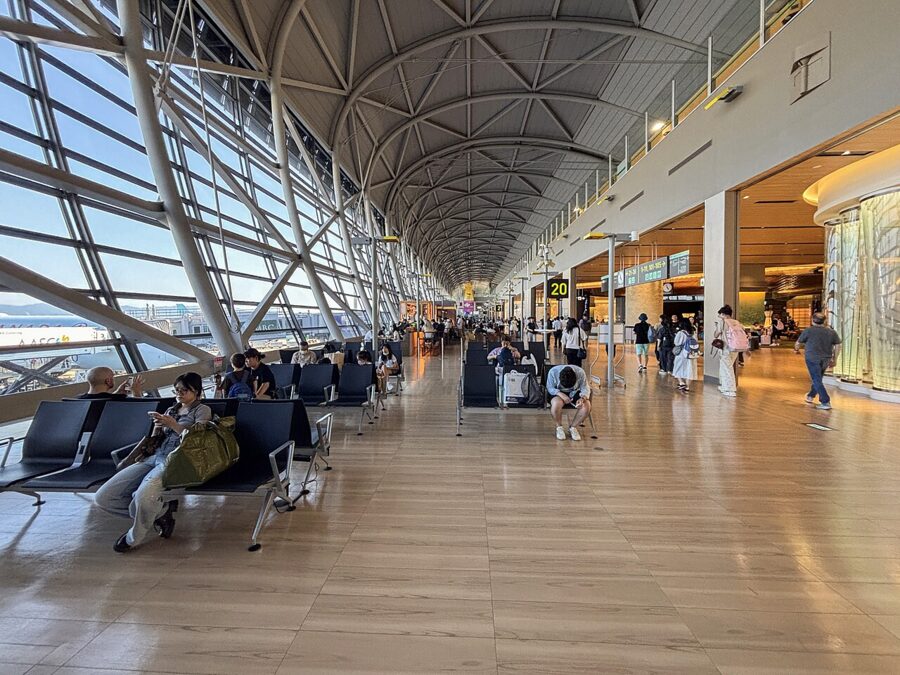

Since 1 November 2026, tax-free shopping in Japan works as a refund. Visitors pay the consumption tax in the shop and get it back after a customs check at the departure airport, and that check happens at kiosks in the departure lobby before you drop your bags. Once a bag is checked, the airlines will not hand it back for the refund, so do the kiosk first and check in second, and allow time for it.
If you live in Kansai: re-entry and tax-free
If you hold a residence card and plan to come back within a year, you do not need to apply for a re-entry permit. The special re-entry permit, in place since 2012, covers anyone with a status of residence longer than three months and a valid passport. Tick the box on the re-entry ED card, the departure card for residents, that says you are leaving temporarily and will return, show it with your passport and residence card, and tell the immigration officer you are leaving on the special re-entry permit.
The special permit lasts one year from departure, or until your status of residence expires if that comes first. Special permanent residents get two years. If you might be away longer, get a regular re-entry permit from your regional immigration office before you go: valid for up to five years within your period of stay, ¥4,000 for a single permit or ¥7,000 for a multiple, and issued the same day.
Tax-free shopping is for visitors, not residents. Under the refund system that began on 1 November 2026, purchases of ¥5,000 or more in one shop on one day qualify, the goods have to leave Japan within 90 days, and the refund comes after customs confirms they are in your bag. A residence card rules you out. The bonded duty-free shops past immigration are a separate system, open to every departing passenger, so that is where a resident buys the sake for the family in Europe.
Quick reference: nonstop and Gulf flights, winter 2026/27
Days are for the weeks of 7–13 December 2026 and 8–14 February 2027; block times are as scheduled. All flights use Terminal 1.
| Route | Airline and flights | Days this winter | Out: KIX departure, block | Back: block |
|---|---|---|---|---|
| Kansai to Helsinki | Finnair AY68 / AY67 | 3–4 a week | 23:25, 13h05 | 12h50 |
| Kansai to Paris CDG | Air France AF291 / AF292 | Mon, Wed, Sat | 12:15, 14h55 | 12h50 |
| Kansai to Amsterdam | KLM KL868 / KL867 | Tue, Thu, Sun | 13:00, 14h20 | 12h45 |
| Kansai to Munich | Lufthansa LH743 / LH742 | Tue, Fri, Sun; break mid-January to mid-February | 09:55, 14h25 | 11h50 |
| Kansai to Istanbul | Turkish Airlines TK87 / TK86 | Daily | 22:45, 13h05 | 10h45 |
| Kansai to Dubai | Emirates EK317 / EK316 | Daily | 23:10, 11h20 | 9h00 |
| Kansai to Doha | Qatar Airways QR803 / QR802 | 5 a week | 17:55, 12h10 | 9h00 |
| Kansai to Abu Dhabi | Etihad EY815 | Not in winter; on the schedule from mid-March 2027 |
Start with the day you want to fly. If it is a Tuesday, Thursday or Sunday and you are going to Western Europe, KLM through Amsterdam is the one to beat; on any other day, Turkish leaves at 22:45 and Emirates at 23:10, and one of them will have you in Europe by lunchtime. Book the evening departure, have dinner in Osaka, take an early-evening train to the island, and do the tax refund kiosk, if you need it, before you join the queue at island A or F.