
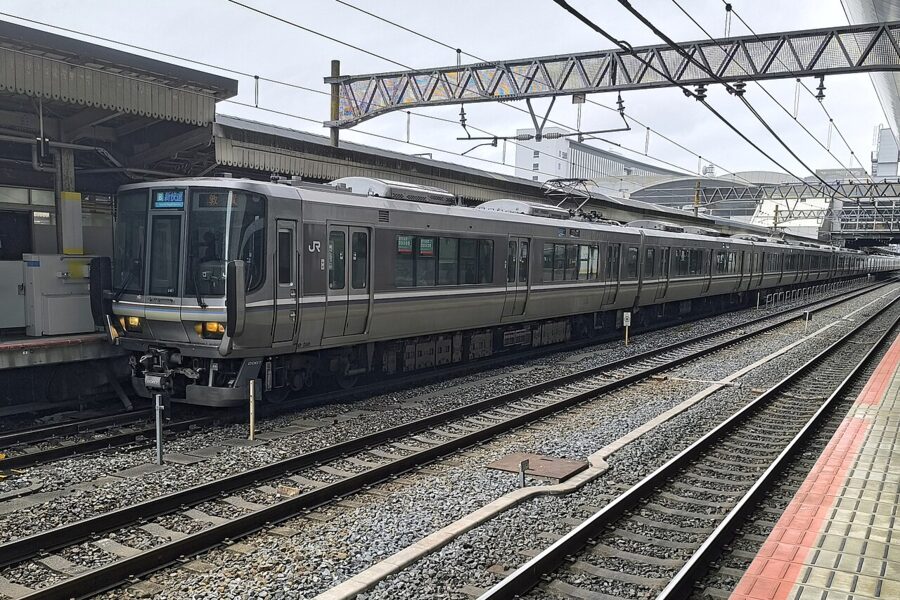

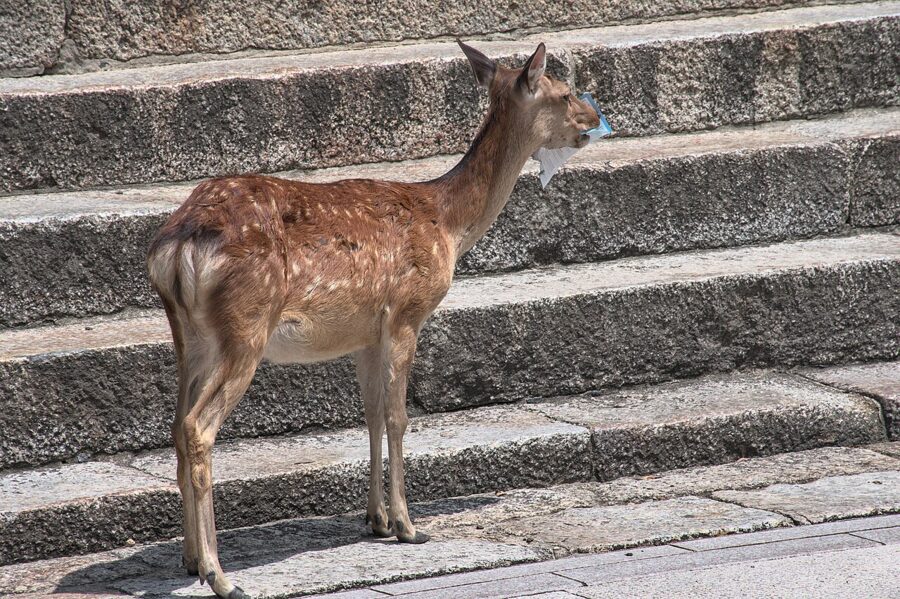
The Special Rapid Service that leaves Osaka Station at 10:00 is in Kyoto at 10:29. The fare is ¥580 on an IC card, nobody checks your seat, and the train is usually not even full. Run the same exercise from the other platform and Kobe‘s Sannomiya is 21 minutes away for ¥420; go round to Namba and a Kintetsu train has you among the deer in Nara 37 minutes after it leaves.
That is the case for Kansai in one timetable. Osaka, Kyoto, Kobe and Nara are four cities with four different temperaments, and they sit closer together than most of Tokyo’s neighborhoods sit to each other. Beyond them is a ring of castles, temple mountains, hot spring towns and pilgrim roads, most of them within two or three hours by train.

Contents
What counts as Kansai
Ask in Osaka and you will hear “two fu and four ken”: the urban prefectures of Osaka and Kyoto, plus Hyogo, Nara, Shiga and Wakayama. Schoolbooks call the same area Kinki and add Mie, whose Ise and Iga districts look toward Osaka while the rest of the prefecture lives off Nagoya. Mie’s own government says it belongs to both regions, which is about as diplomatic as a prefecture gets.
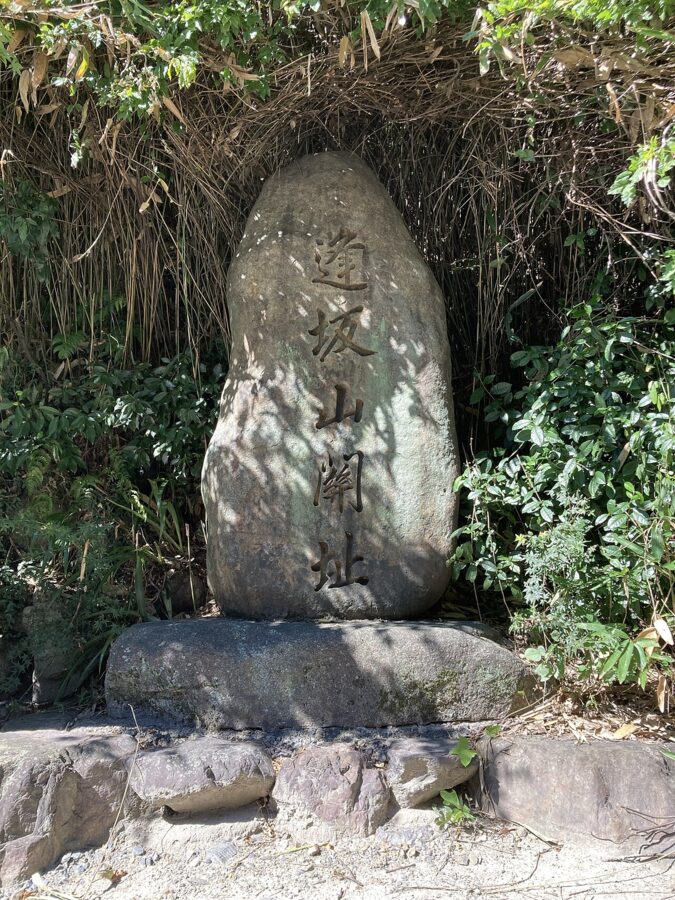
The name is a piece of road history. Kansai means “west of the barrier”, and the barrier in question was a checkpoint on the old roads east of Kyoto, most often taken to be the Osaka barrier (逢坂関) on the pass between Kyoto and Otsu, written with different characters from the city of Osaka. Kanto, the Tokyo side, is the land east of it. For most of recorded history the west did not need a name at all, because it was simply where the capital was.

The rivalry with Tokyo is real and mostly good-humored. In Osaka you stand on the right of the escalator, in Tokyo on the left. Udon broth here is pale and dashi-forward where Tokyo’s is dark with soy, the Hanshin Tigers are a religion, and the local dialect, Kansai-ben, is the voice of Japanese comedy. Kansai people will tell you that Tokyo runs the country and Kansai knows how to live in it.
For a visitor the practical point is scale. Kansai packs a former capital’s worth of history and a port city’s appetite into a region you can cross by train in a morning. You can see the main cities from a single hotel, which is not true of Kanto’s sights spread across Tokyo, Nikko and Hakone.
The four cities, and the two smaller capitals
Osaka: the stomach and the switchboard
Osaka is the region’s commercial city and its transport hub, and it does not pretend to be beautiful. It has two centers. Kita, around Osaka and Umeda stations, is department stores, office towers and the terminals of JR, Hankyu and Hanshin. Minami, around Namba, is Dotonbori’s canal, Shinsaibashi’s arcade and the terminals of Nankai and Kintetsu.
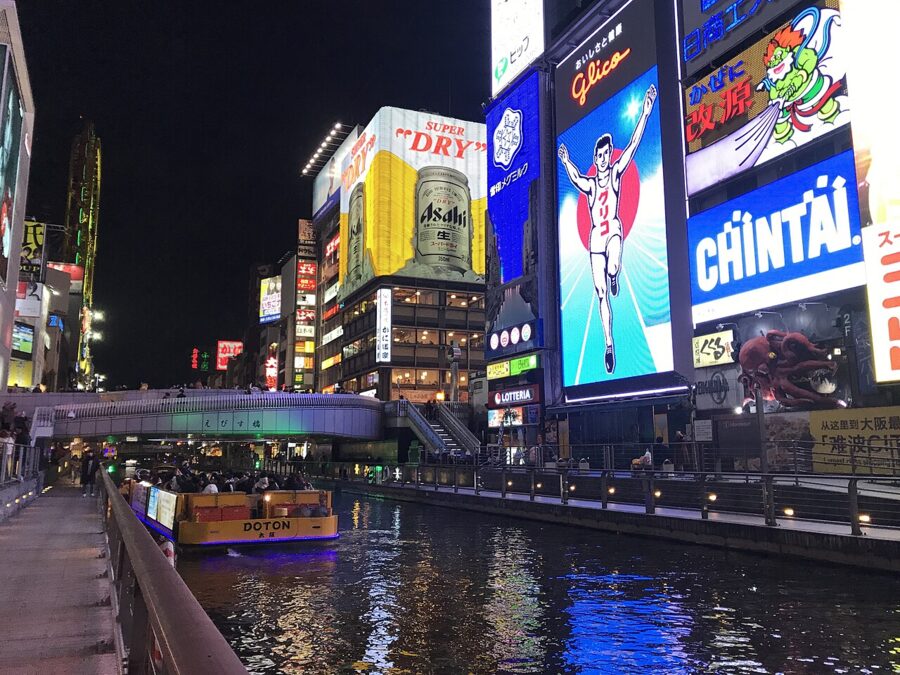

The city’s reputation rests on food: kuidaore, eating yourself into ruin, is the local motto, and okonomiyaki, takoyaki and kushikatsu are all Osaka inventions or near enough. I’d give Osaka two days on its own, more if you plan a day at Universal Studios Japan, which is about 12 minutes from Osaka Station by JR. As a base it is hard to beat, because every railway in the region runs through it.
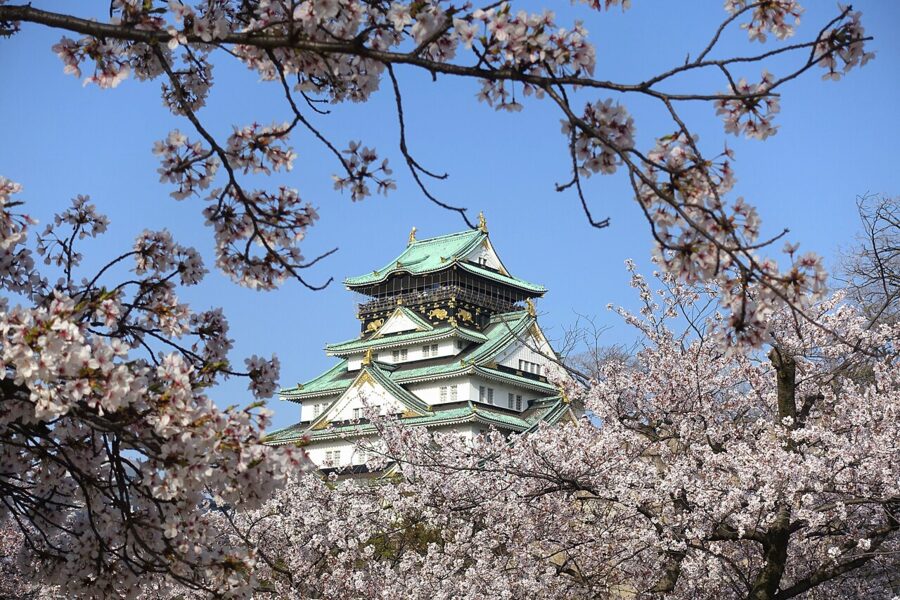

Kyoto: early or late, never at noon
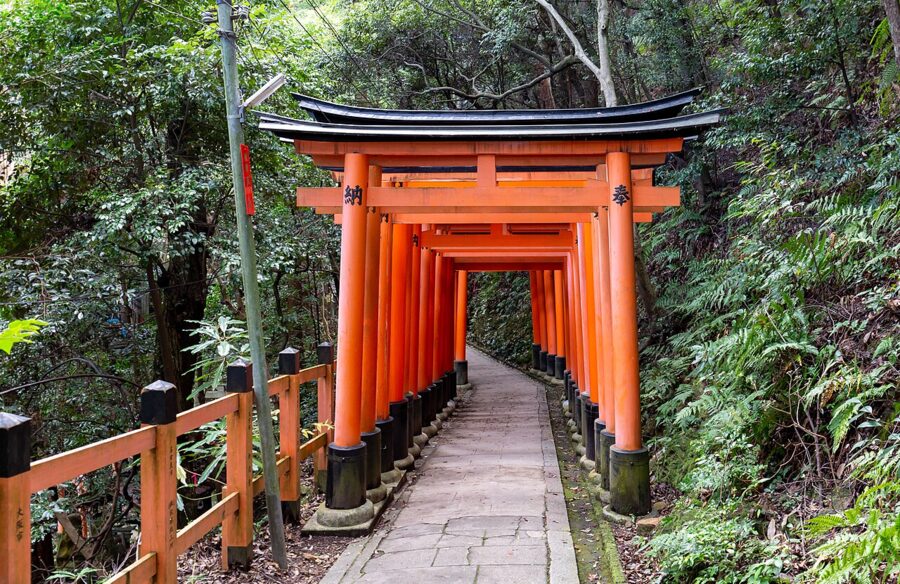
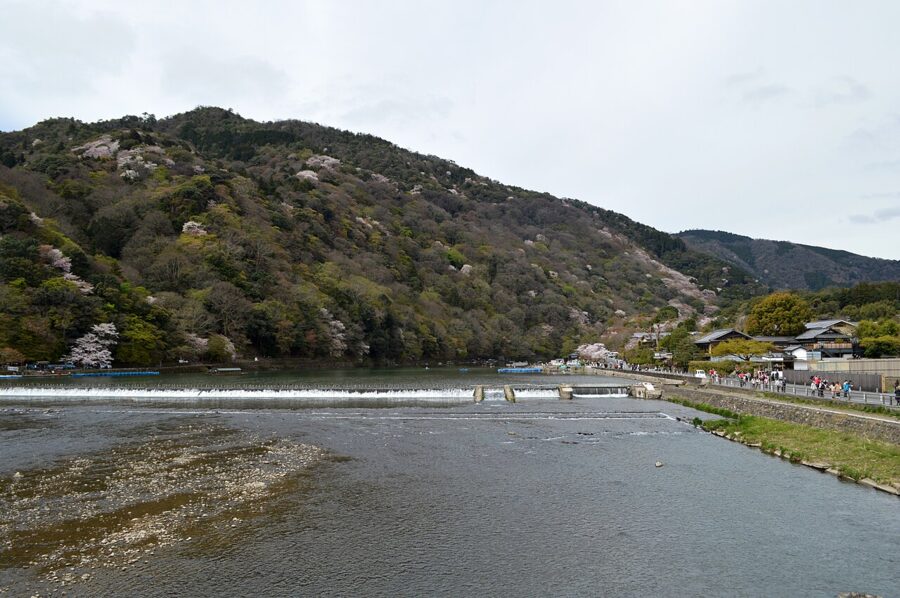
Kyoto was the imperial capital from 794 until the 1860s, and seventeen sites in and around it, temples, shrines and a castle among them, make up a single World Heritage listing. It is also crowded in a way that Osaka is not, because the famous sights are small and the number of people who want to see them is not. The fix is timing: Fushimi Inari at 07:00, Kiyomizu-dera at opening, Arashiyama before the first tour bus.
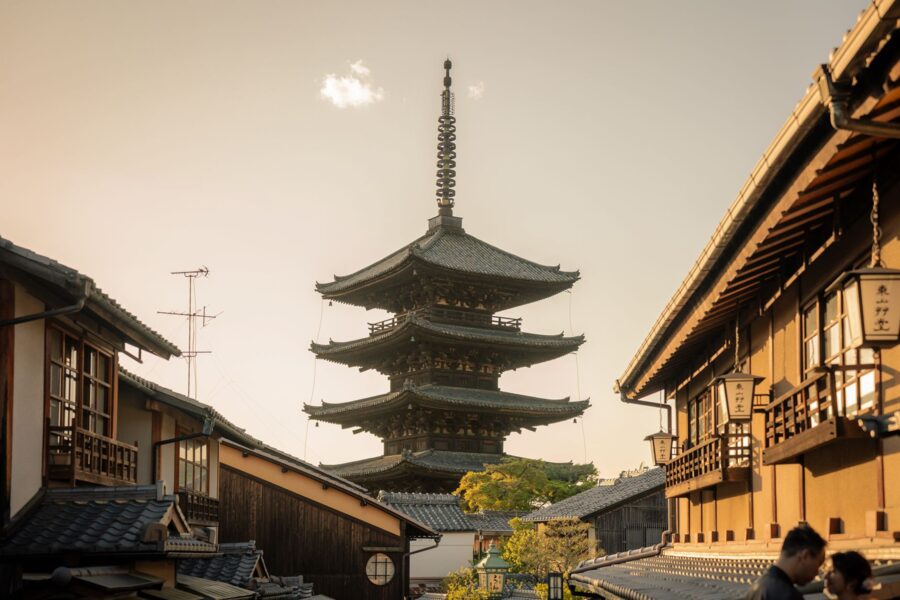
Give Kyoto three days if you can, and four if you like gardens. Its rail map is weaker than Osaka’s: two subway lines, the JR lines out to Arashiyama and Nara, and the Hankyu and Keihan terminals downtown, with buses filling the gaps and often filling up. Kyoto Station is on the southern edge of the center, so staying near Shijo or Sanjo puts you closer to most things than staying at the station does.
Kobe: the underrated one
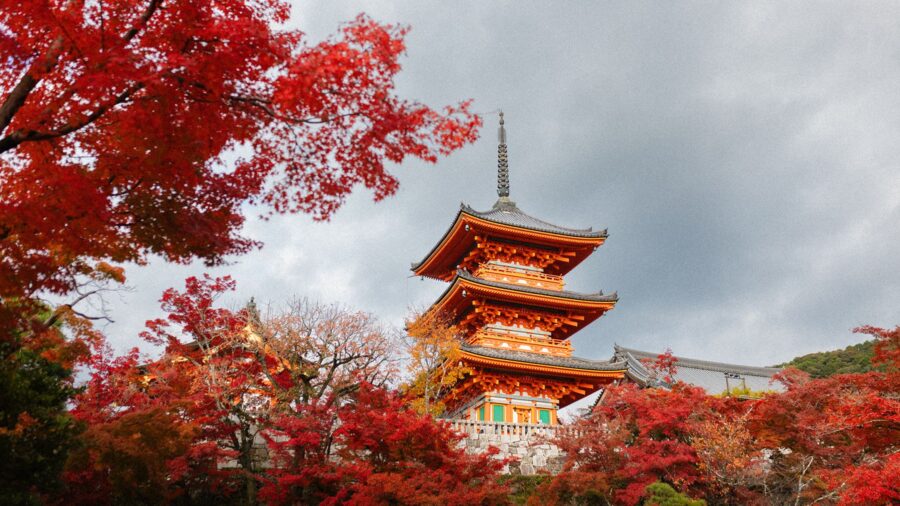
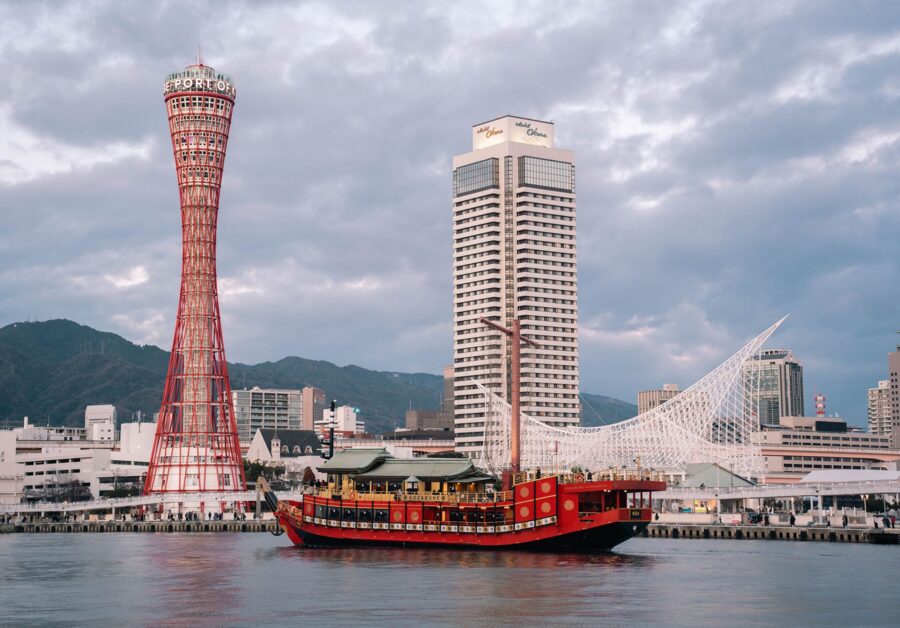
Kobe is a long, narrow port city between the Rokko mountains and the sea, opened to foreign trade in 1868 and rebuilt after the 1995 earthquake. It is cleaner and calmer than Osaka, it eats well (Kobe beef is the obvious part, the bakeries and the Chinatown less so), and it is the one big Kansai city that visitors routinely give half a day when it deserves two.
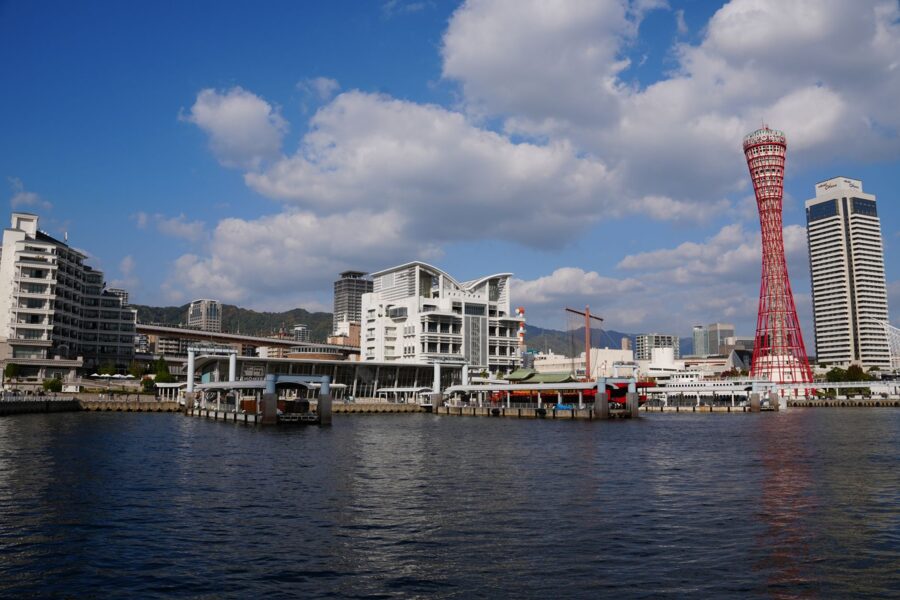
The center is Sannomiya, a knot of six stations run by five companies, and getting the right one is most of the trick to the city. JR runs fast along the coast, Hankyu and Hanshin run cheaper and slower to Osaka, and the subway goes one stop north to Shin-Kobe for the Shinkansen. I rate Kobe as a base too.
Nara: the first capital, half a day too short
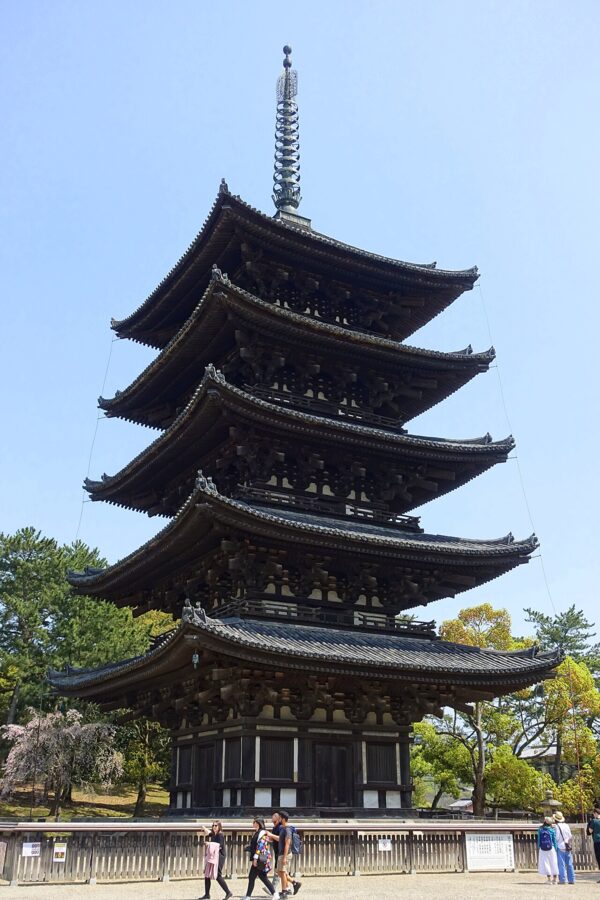
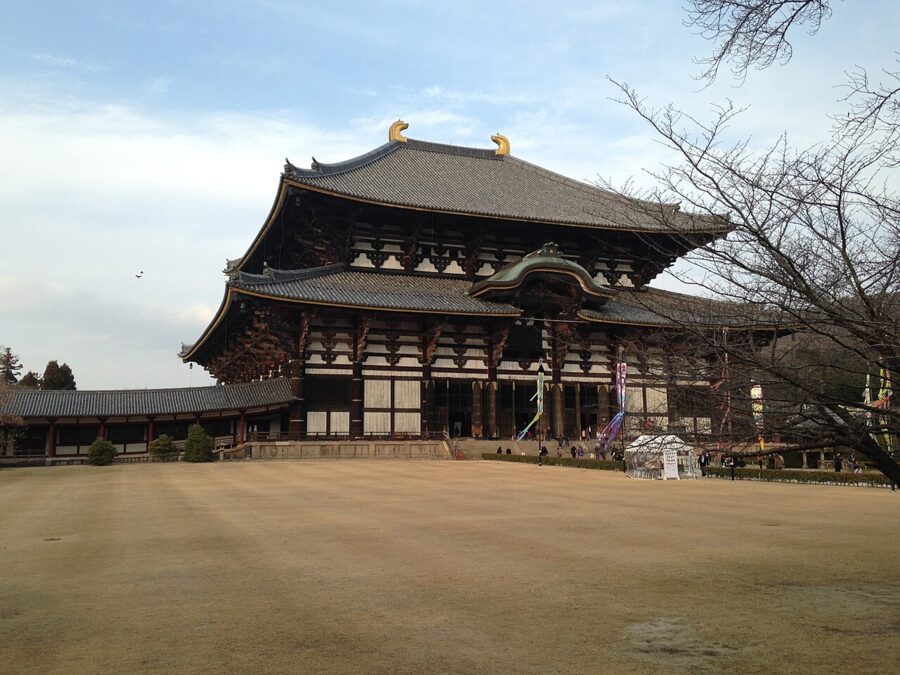
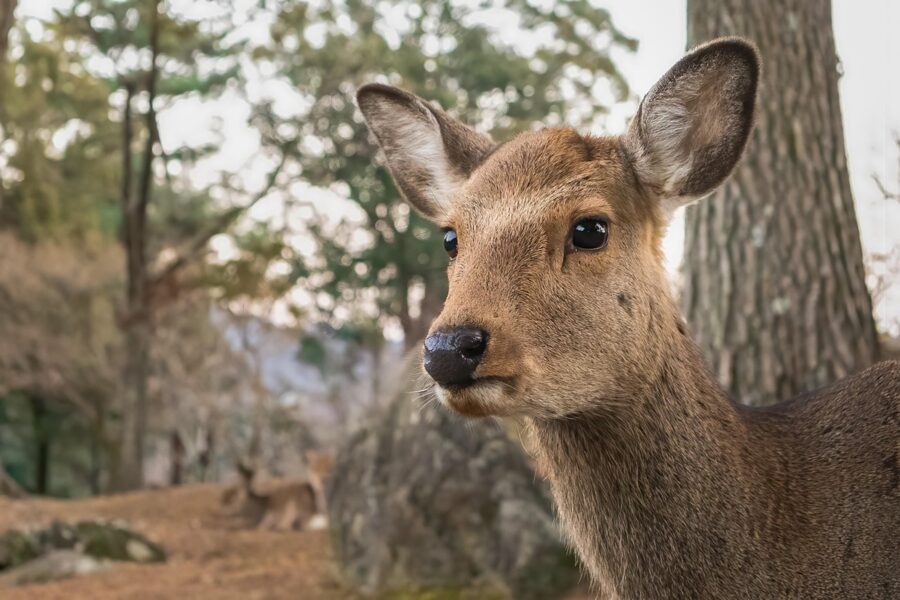
Nara was Japan’s capital from 710, before Kyoto, and its great temples sit together in a park where some of the deer will bow to you for a cracker. Todaiji’s Great Buddha Hall, Kofukuji and Kasuga Taisha’s lantern-lined approach are all walkable from Kintetsu-Nara station. Most people do Nara as a day trip, and that is fine, but leave time for Naramachi, the merchant quarter south of the park, and the town becomes a different place after 17:00.

Use the Kintetsu if you are coming from Namba (37 minutes on a Rapid Express, ¥680) and the JR from Kyoto (47 minutes on the Miyakoji Rapid, ¥720). Kintetsu-Nara is the more central of the two Nara stations. The JR from Osaka Station takes 50 minutes and costs ¥840, which is why I’d go via Namba.
Wakayama and Otsu: the quiet capitals
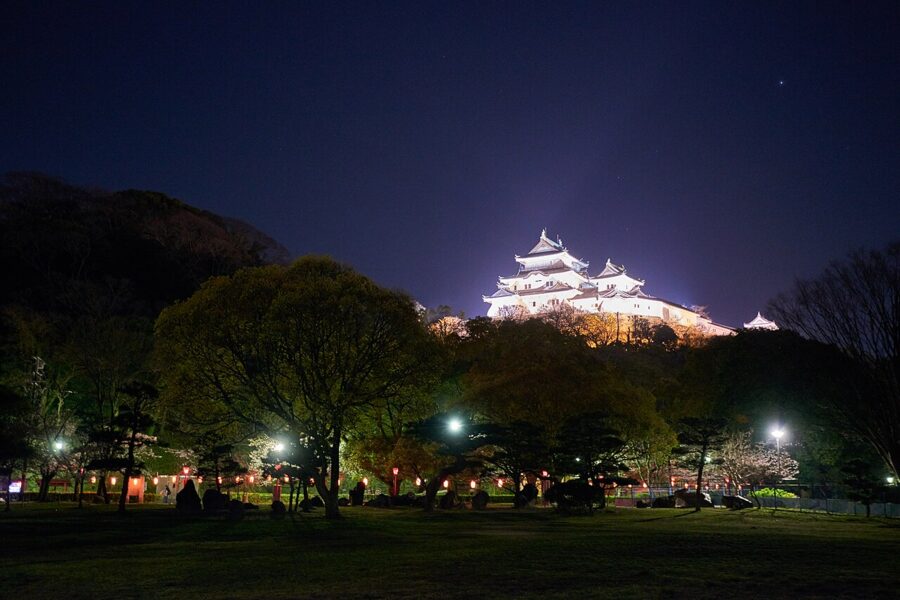
The two prefectural capitals that visitors skip have their uses. Wakayama city, an hour south of Shin-Osaka on the Kuroshio limited express, has a reconstructed castle on a wooded hill and is the gateway to the Kii Peninsula’s coast. Otsu, the capital of Shiga, is 10 minutes from Kyoto on the JR for ¥200 and sits on the shore of Lake Biwa, which is the main reason to go.

The countryside and the edges
The cities are the reason most people come, and the countryside is the reason some of them stay longer. None of the places below is unknown, but all of them get a fraction of Kyoto’s crowds.
Himeji: the castle worth the trip
Himeji Castle is the finest original castle in Japan, a white keep of the early 1600s that survived both the Meiji demolitions and the 1945 bombing, and in December 1993 it became one of Japan’s first World Heritage Sites. It is 29 minutes from Shin-Osaka by Shinkansen (¥3,220 in an unreserved seat) or 63 minutes from Osaka on the Special Rapid (¥1,460). The Special Rapid is the better deal unless you are on a JR pass.
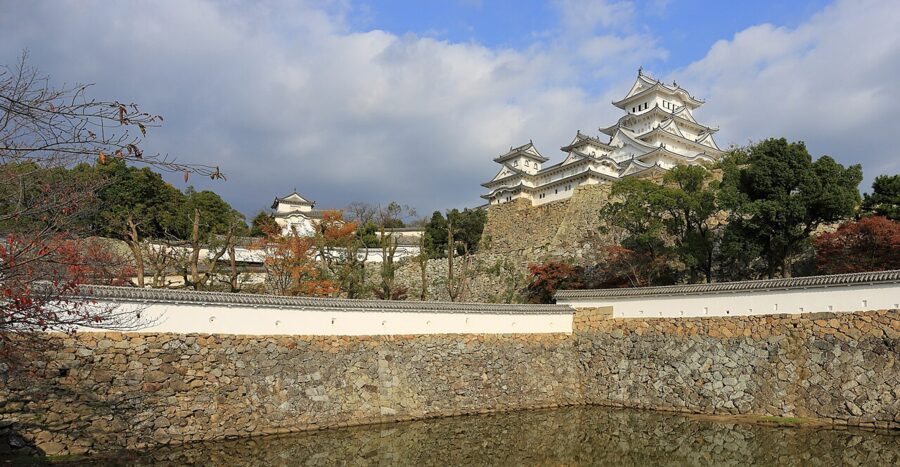

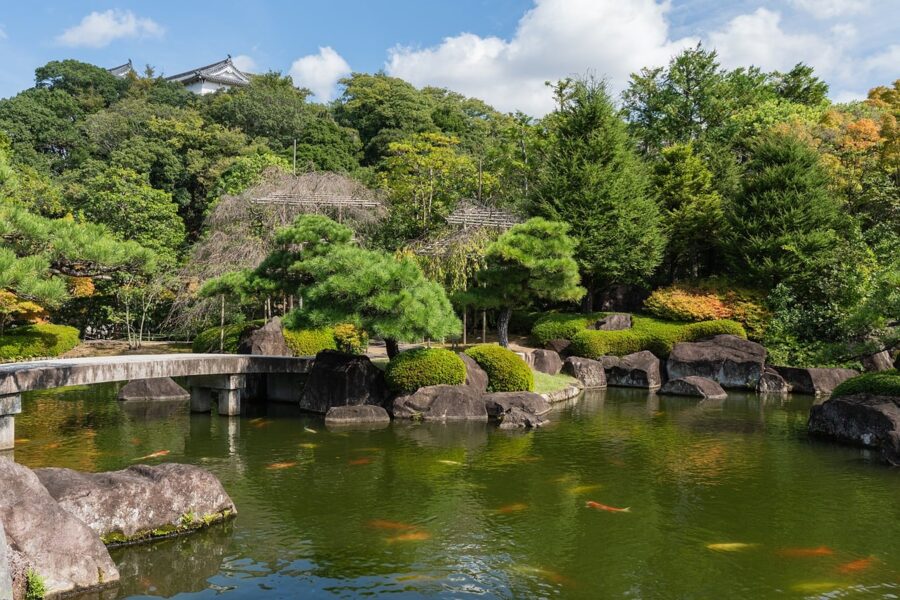
Admission is ¥2,500 for adults from outside Himeji, and the castle is open 09:00–17:00 with last entry at 16:00. The main street from the station runs straight to the gate, with the keep in view the whole way. Pair it with Kokoen, the garden beside the moat, or with Kobe on the way back.
Koyasan: a night in a temple
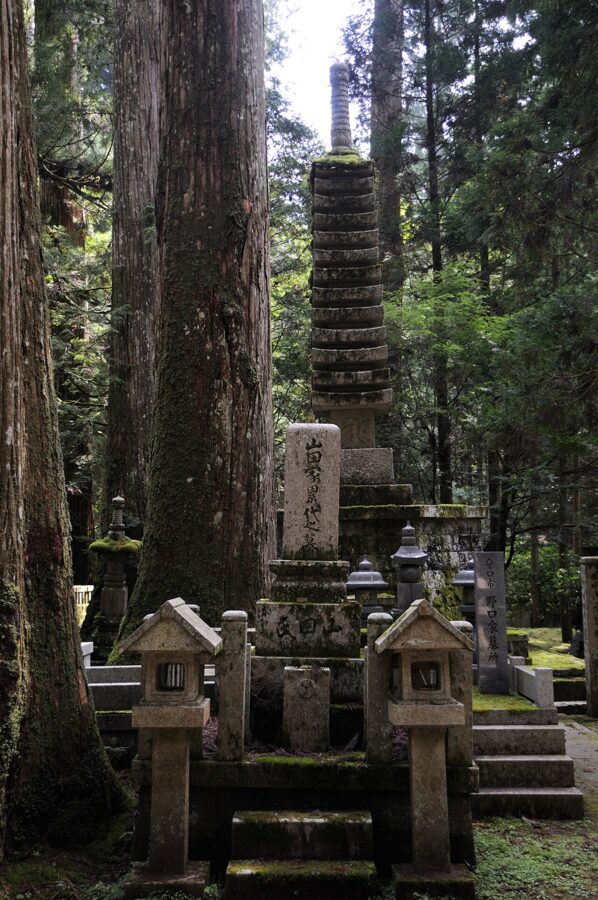
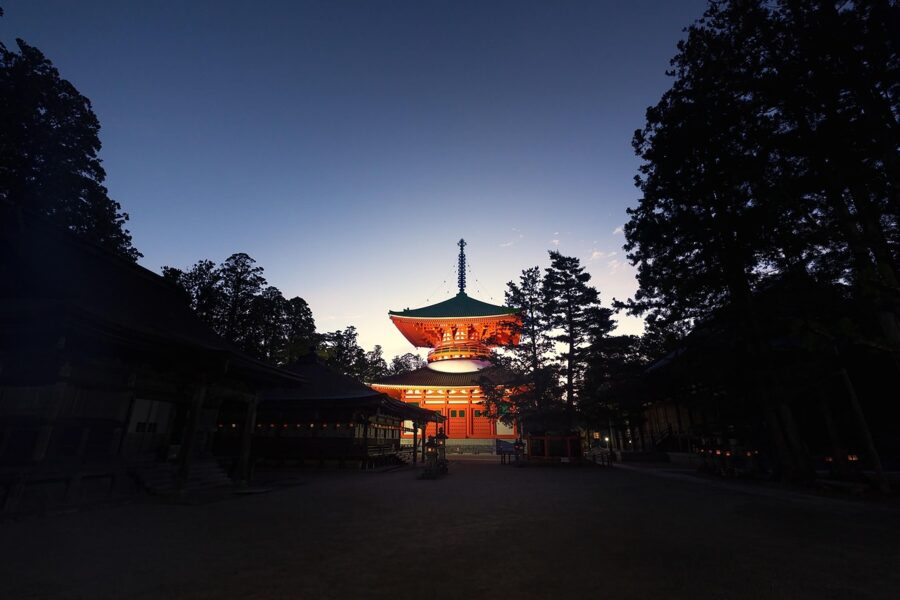
Koyasan is a mountaintop monastery town in Wakayama, founded by the monk Kukai in 816 as the center of Shingon Buddhism. It has 117 sub-temples, about half of which take overnight guests in temple lodgings (shukubo), with vegetarian temple food for dinner and the morning service before breakfast. Okunoin, the cemetery that leads through cedar forest to Kukai’s mausoleum, is the part people remember.

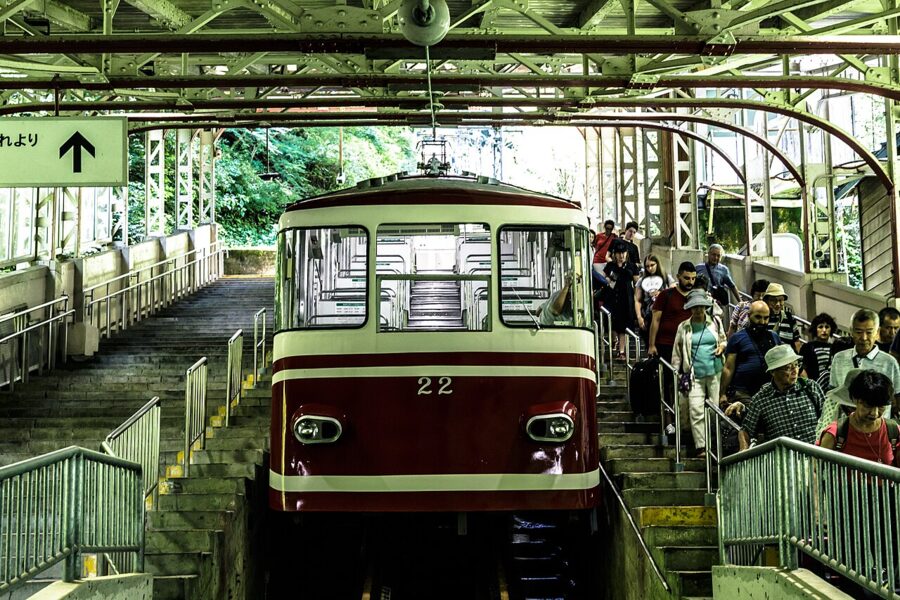
The route is all Nankai. The Koya limited express leaves Namba and reaches Gokurakubashi in 91 minutes (¥2,030 including the ¥1,100 limited express charge), then the Koyasan Cable Car climbs to the top in 5 minutes (¥500), and buses run from there into town. The ordinary express trains cost ¥1,430 for the same trip and take under two hours with a change. Go for the night, not the day.

Kumano: the pilgrim roads
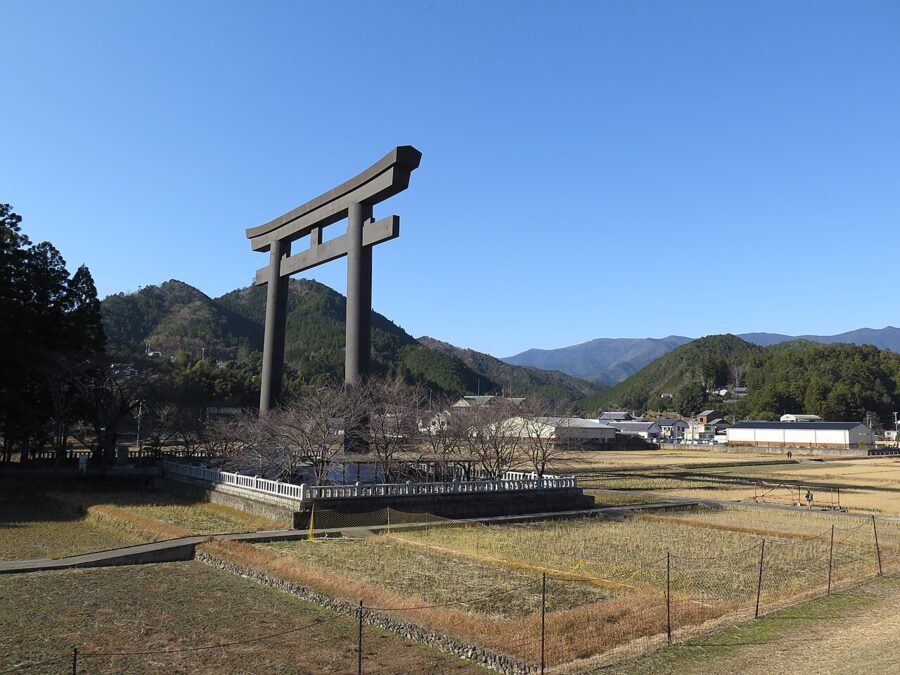
The Kumano Kodo is a network of old pilgrimage routes across the Kii Peninsula to three great shrines, inscribed as World Heritage in 2004 together with Koyasan and Yoshino. Most walkers start at Kii-Tanabe, 2 hours 21 minutes from Shin-Osaka on the Kuroshio limited express (¥5,810 with a reserved seat), then take the bus inland toward Hongu, about 2 hours 10 minutes and ¥2,100 to Hongu Taisha-mae.
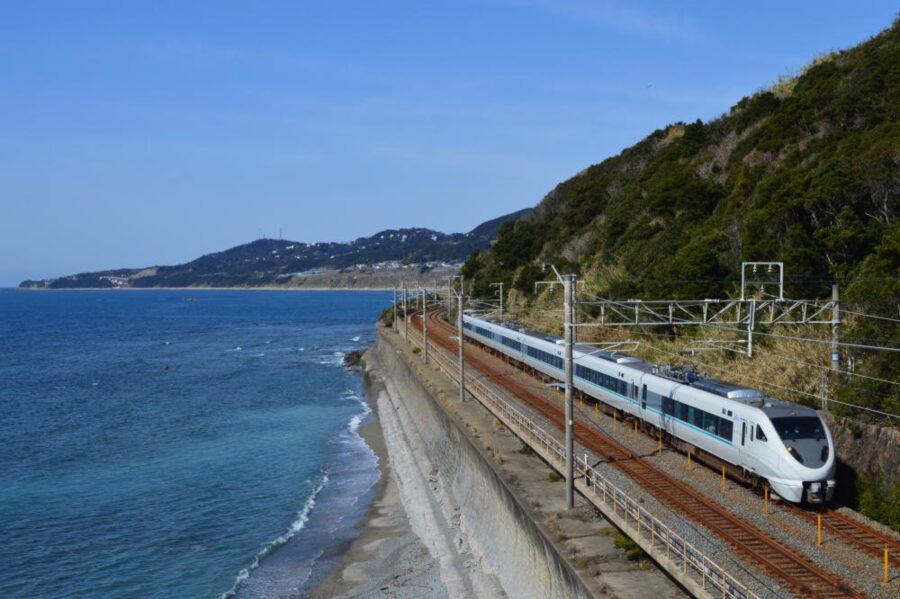

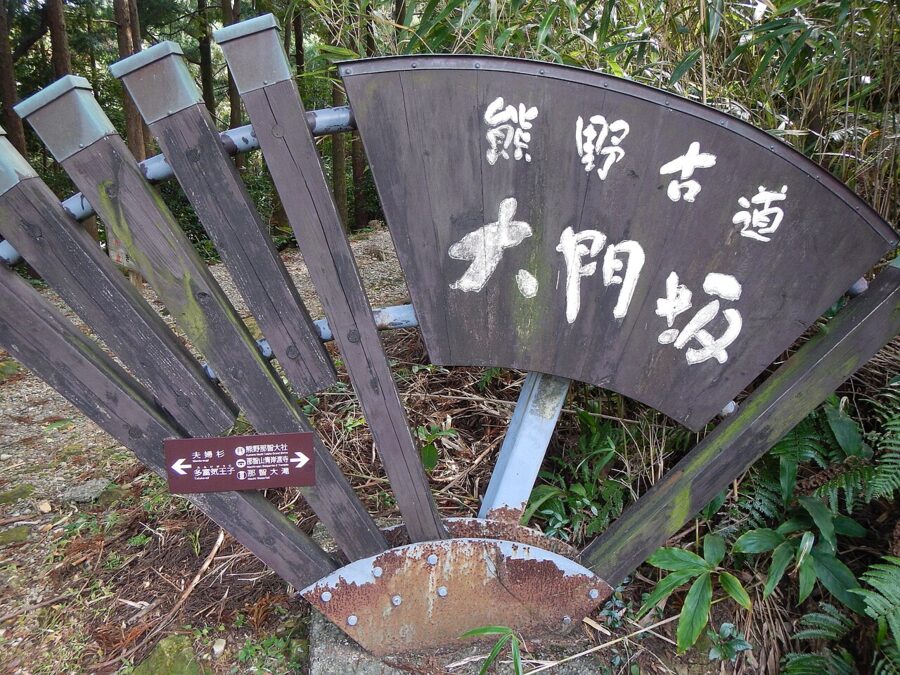

Kumano is the one place in Kansai that does not suit a day trip from a city base. Give it three days at least: the classic Nakahechi route from Takijiri to Hongu is usually walked over two days, with a night in a village guesthouse in between. Tanabe’s tourist office runs a booking service for the inns along the way and can arrange for your bags to be sent ahead.

Lake Biwa: the lake that waters Osaka
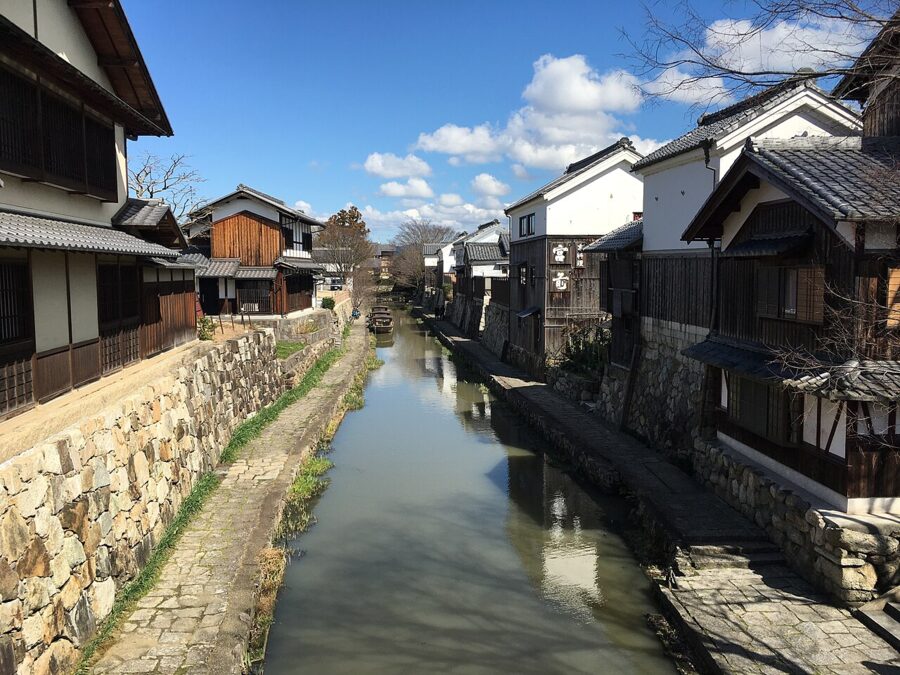
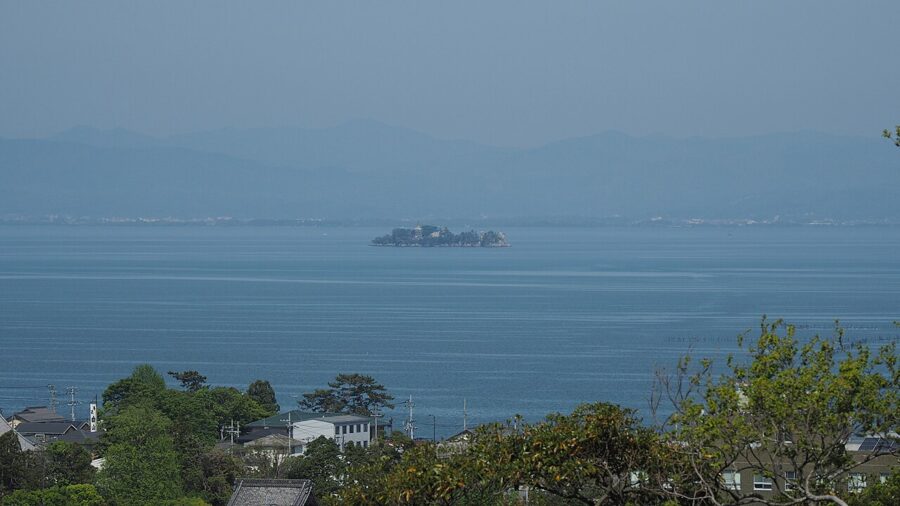
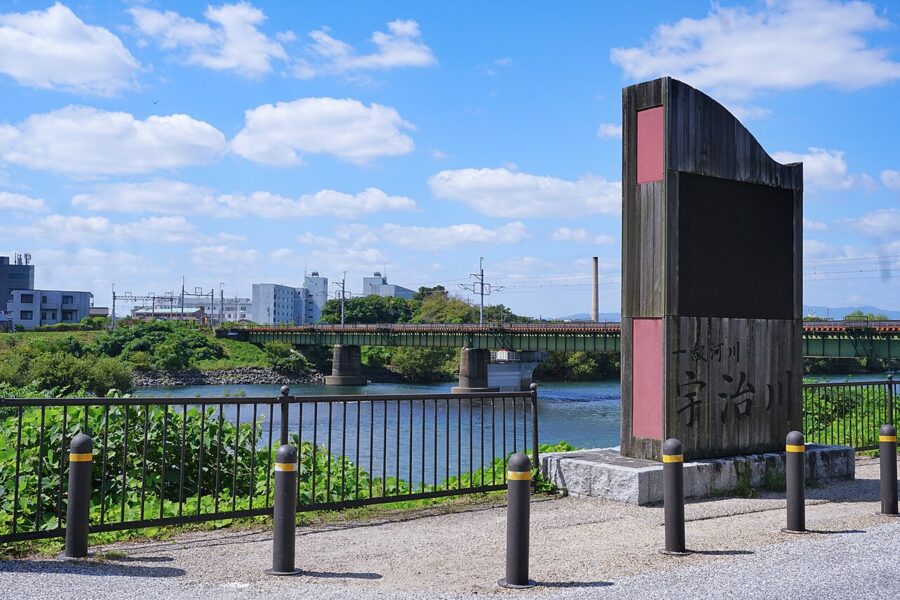
Lake Biwa covers 669 square kilometers, a sixth of Shiga Prefecture, and the river that drains it runs past Uji and through Osaka to the sea. The south shore is commuter country. Head north up the east shore on the JR and you reach Omi-Hachiman’s canal and old merchant houses, then Hikone, whose castle is one of the five keeps in Japan listed as National Treasures.


Kinosaki and Amanohashidate: the Sea of Japan side
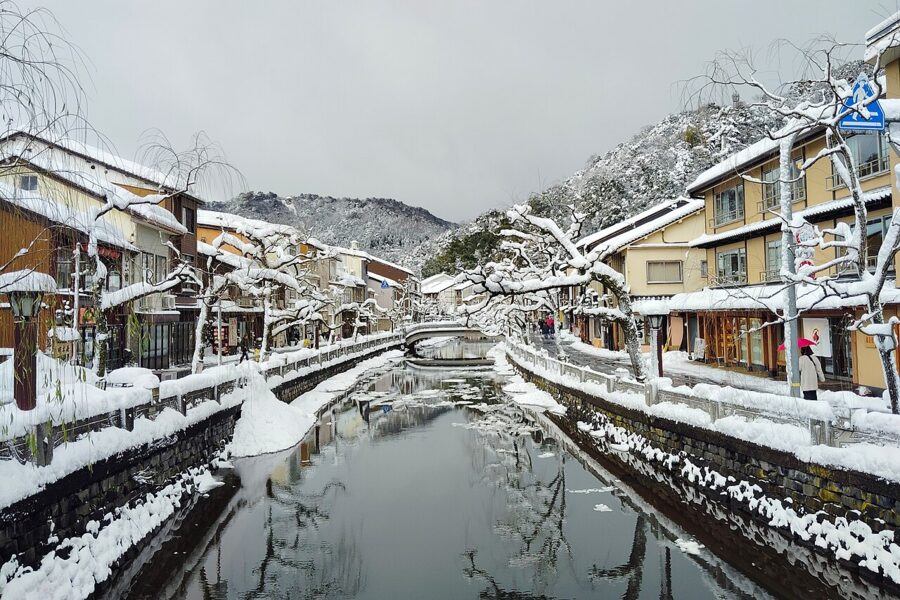
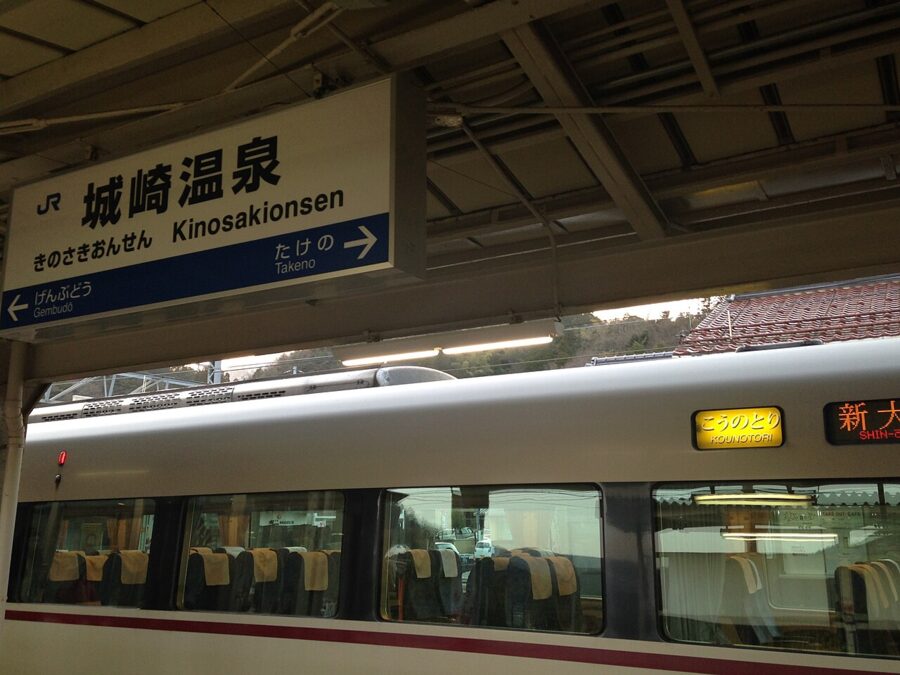
Northern Hyogo and northern Kyoto Prefecture face the Sea of Japan, and they feel like another country from Osaka: snow and crab in winter, and fewer foreign visitors than anywhere else in the region. Kinosaki Onsen is the region’s great hot spring town, a willow-lined canal with seven public bathhouses (soto-yu) that guests walk between in yukata and wooden sandals. The Konotori limited express from Osaka takes 2 hours 39 minutes (¥6,140 reserved).

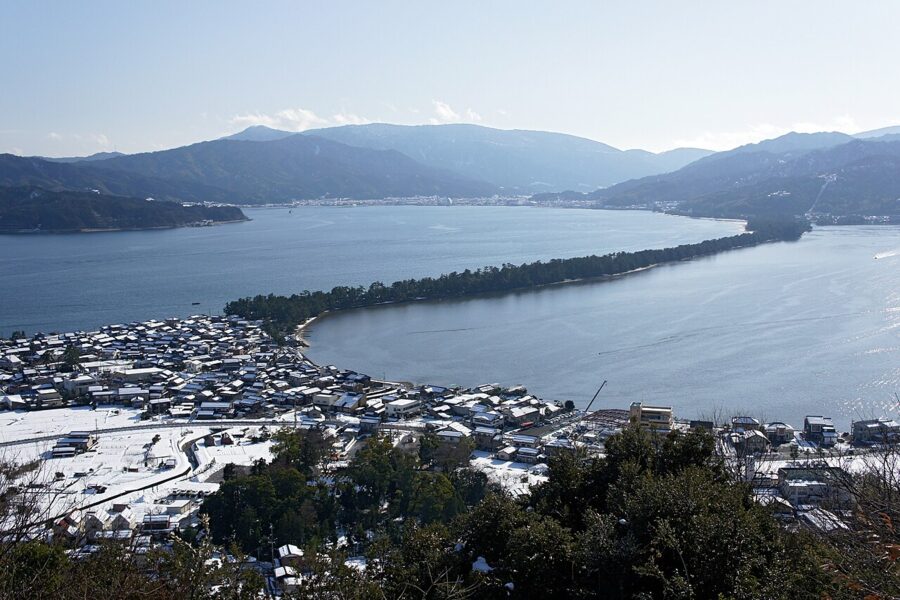
Amanohashidate is a pine-covered sandbar 3.6 kilometers long that divides Miyazu Bay from the lagoon behind it, counted for centuries as one of Japan’s three most scenic views. The Hashidate limited express from Kyoto takes 2 hours 11 minutes (¥5,000 reserved). It is a long way for a view, so combine it with Ine’s boathouses further up the coast, or with Kinosaki on a loop through the north.

Ise and Uji: the shrine and the tea town
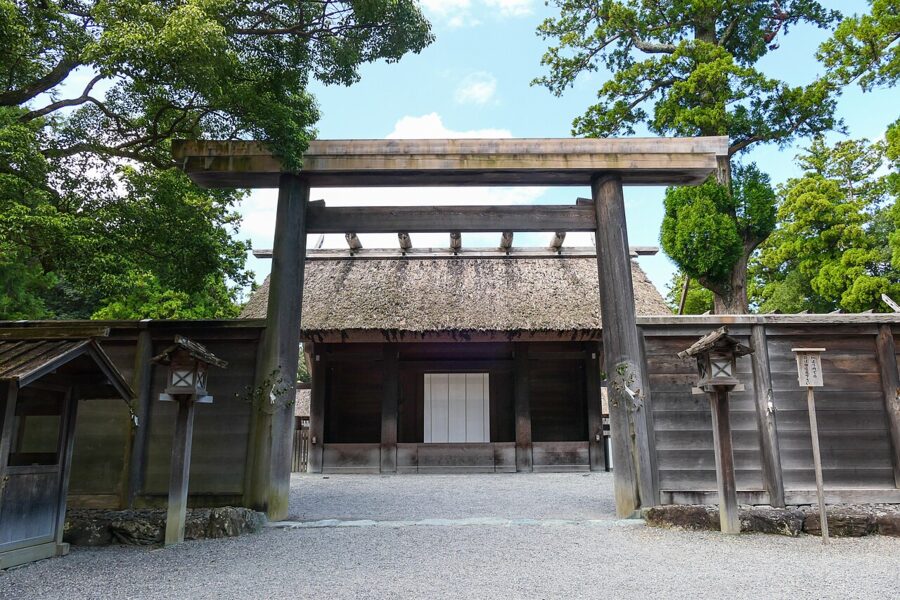
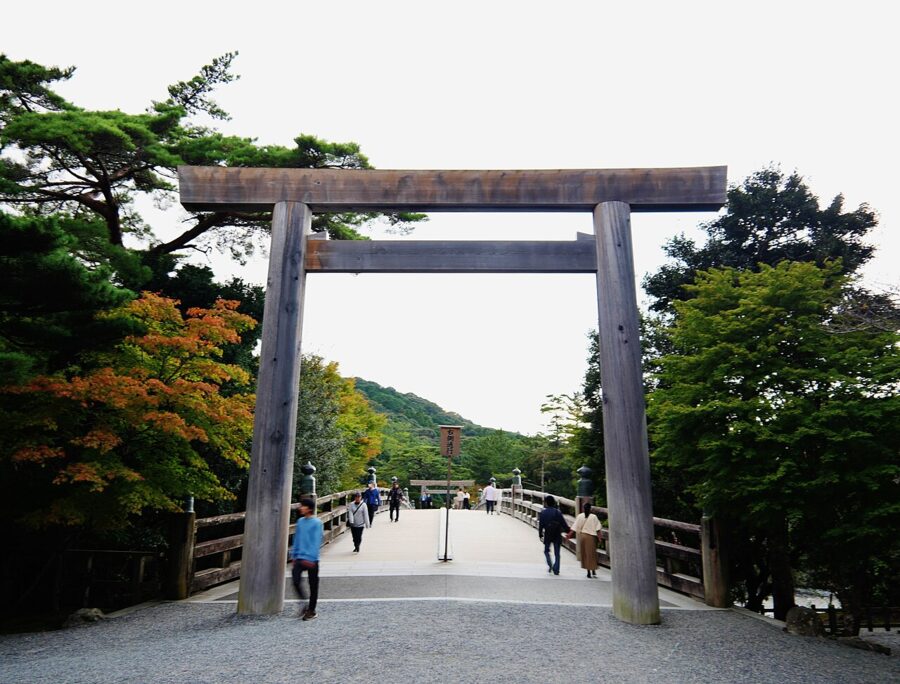
Ise Jingu, in Mie, is the most sacred shrine in Shinto, and its main buildings are rebuilt from scratch every twenty years, most recently in 2013. Kintetsu runs limited expresses from Osaka-Namba to Ujiyamada in 1 hour 47 minutes (¥3,510 including the limited express charge), and the Geku outer shrine is a short walk from the station, with the Naiku inner shrine a bus ride further on. It works as a long day trip, or as an overnight if you want the approach to the Naiku in the early morning.

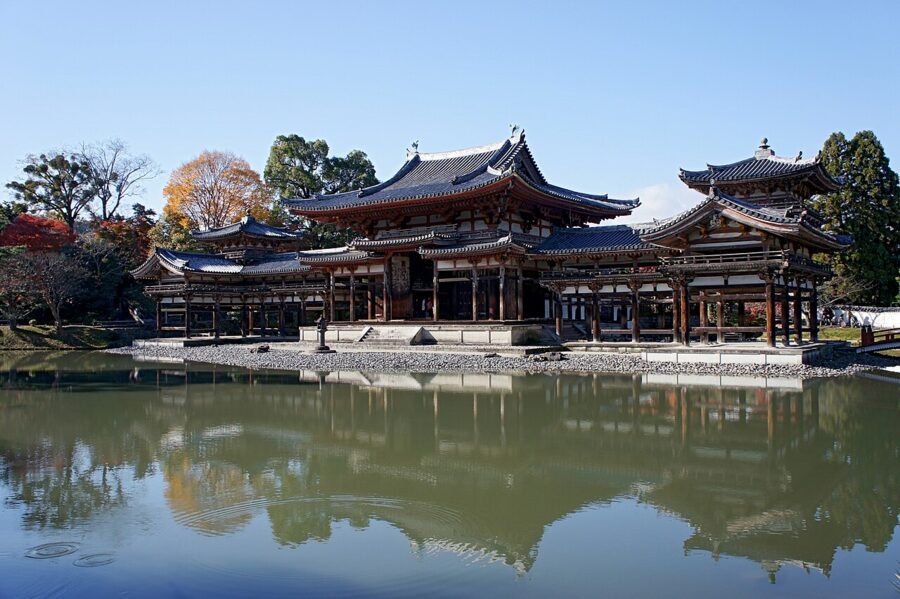
Uji, between Kyoto and Nara, is the easy one: 17 minutes from Kyoto on the JR Nara Line for ¥240, with the Phoenix Hall of Byodoin, the riverside and more matcha than anyone needs. It slots into a Nara day on the way back to Kyoto, since the same JR line serves both.


One base or several
For most first trips the answer is one base, maybe two. Kansai’s distances are short enough that changing hotels costs you more time than the commute does. The question is which city to wake up in.
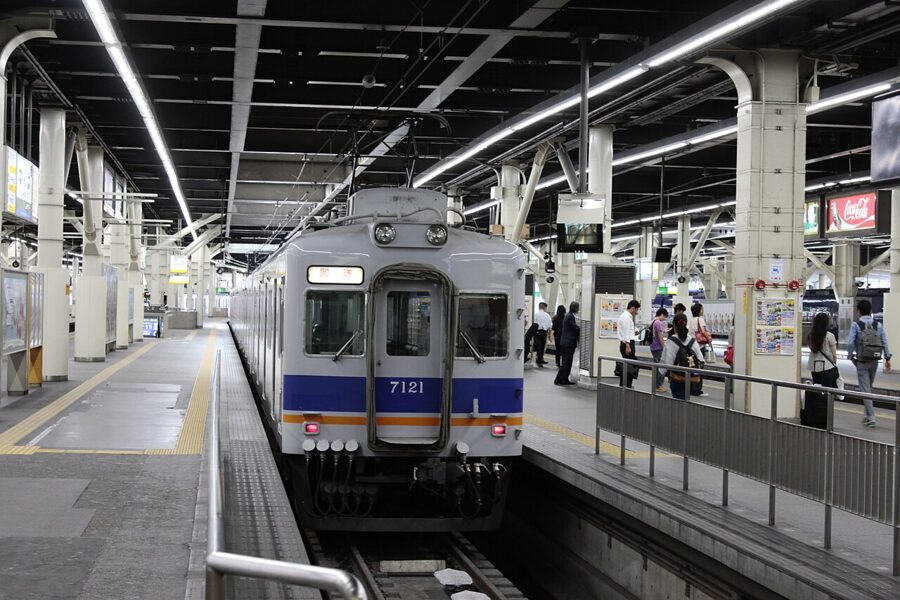
Osaka is the default for good reasons. It is central to everything, the hotels are cheaper than Kyoto’s, the nights run later, and both Kansai Airport and the Shinkansen are directly connected. I’d base myself in Namba if Nara, Koyasan or Ise are on the list, since Kintetsu and Nankai both start there, and in Umeda if Kyoto, Kobe and Himeji matter more.

Kyoto is the base if Kyoto is the point of the trip. Staying there means you can be at a temple at opening and back on the street after the day-trippers leave, which is the only way to see the city at its best. It costs more, and its evening ends early.
Kobe is the base nobody thinks of. It is 21 minutes from Osaka, closest to Himeji and Arima, an easy start for the Sea of Japan side, and its Shinkansen station is one subway stop from the center. The hotels are good value, and coming home to Kobe at night is pleasanter than coming home to Namba.
| Route | Fastest regular train | Time | Fare (IC card) |
|---|---|---|---|
| Osaka to Kyoto | JR Special Rapid | 29 min | ¥580 |
| Osaka-umeda to Kyoto-kawaramachi | Hankyu limited express | 43 min | ¥410 |
| Yodoyabashi to Gion-shijo | Keihan limited express | 50 min | ¥490 |
| Osaka to Sannomiya | JR Special Rapid | 21 min | ¥420 |
| Osaka-umeda to Kobe-sannomiya | Hankyu limited express | 28 min | ¥330 |
| Osaka-Namba to Kintetsu-Nara | Kintetsu Rapid Express | 37 min | ¥680 |
| Kyoto to Nara | JR Miyakoji Rapid | 47 min | ¥720 |
| Kyoto to Sannomiya | JR Special Rapid | 51 min | ¥1,110 |
| Osaka to Himeji | JR Special Rapid | 63 min | ¥1,460 |
Times and fares are from a weekday morning timetable in November 2026; off-peak trains can be slower. The longest of the everyday hops is Kyoto to Kobe. If your trip leans on both Kyoto and Kobe, Osaka in the middle is the answer.
The rail map, made simple
Kansai’s rail network looks impossible on the map because it is several networks laid on top of each other. JR West runs the trunk lines and the Shinkansen. Five big private railways each own a slice of the region and a terminal in Osaka, and they compete with JR head to head on most of the routes that matter. The private lines are nearly always cheaper, JR is often faster, and a single IC card works on all of them.
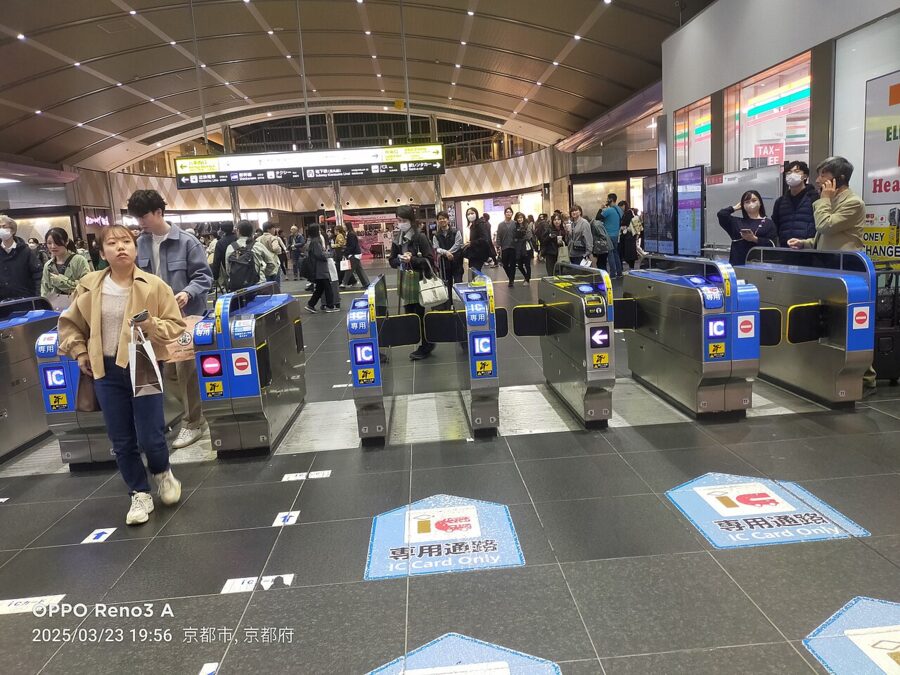

JR West
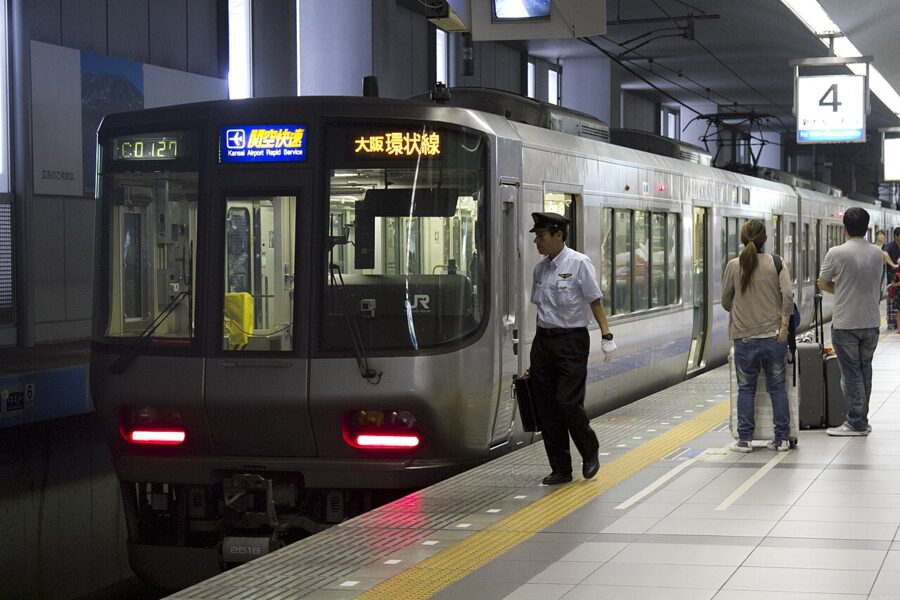
JR’s Kansai network is the JR Kyoto Line and JR Kobe Line along the coast (one railway, two names), the Osaka Loop Line, the Yamatoji Line to Nara and the Hanwa Line to Wakayama and the airport. The Special Rapid Service on the Kyoto and Kobe lines is the fastest thing in the region short of the Shinkansen, with no surcharge. JR is also the only network where the Japan Rail Pass and the JR West passes work.
Hankyu and Hanshin
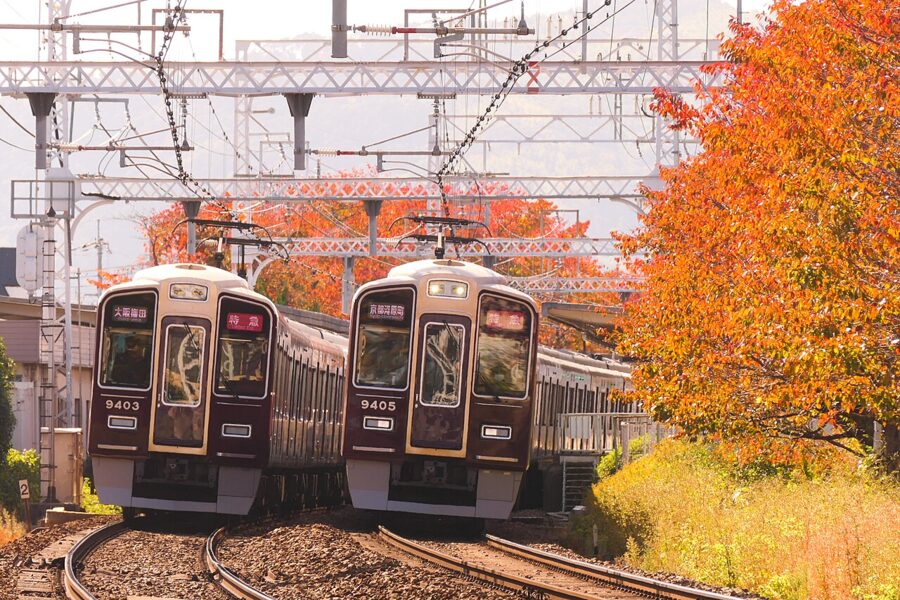
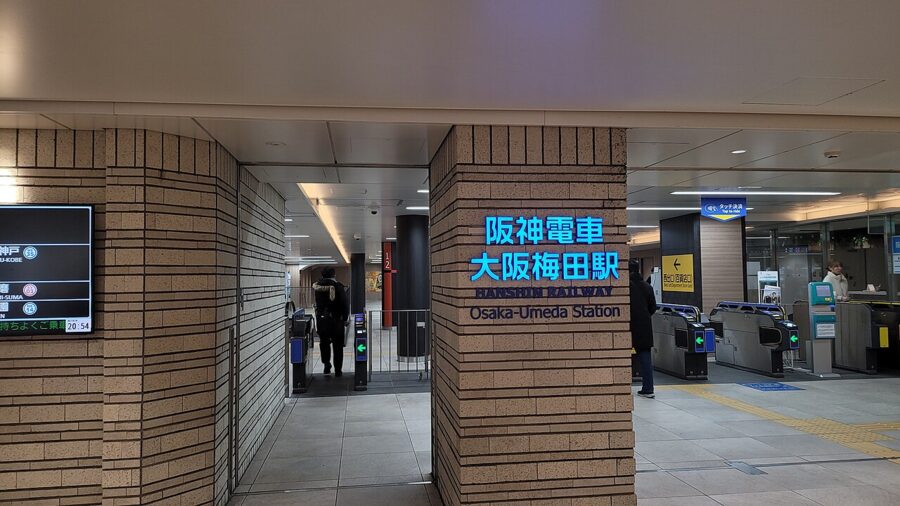
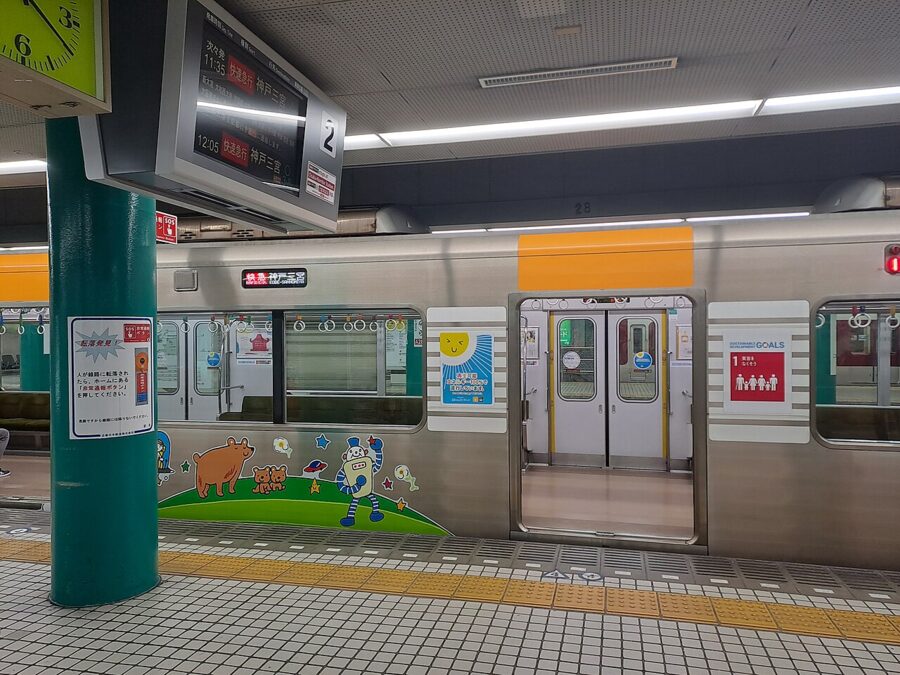
Hankyu runs from its Osaka-umeda terminal to Kyoto, Kobe and Takarazuka, inland, in the maroon paint that is the company’s trademark. Its Kyoto Line ends at Kyoto-kawaramachi, under the main crossing of Kyoto’s shopping district, which is a better place to arrive than Kyoto Station for most of the city. Hanshin, its sister company since 2006, runs along the coast between Osaka-umeda and Kobe, and its trains continue through Osaka-Namba onto Kintetsu tracks to Nara.

Keihan
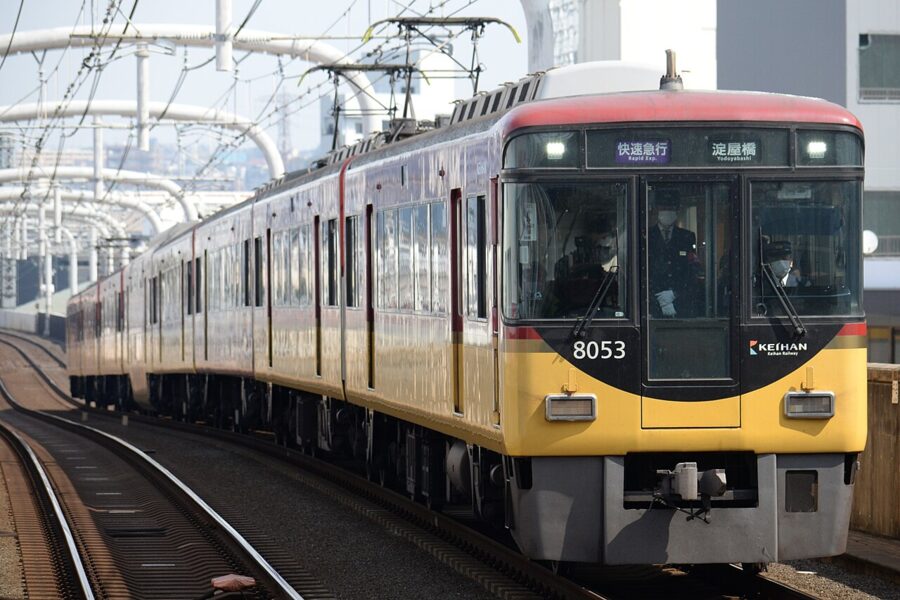
Keihan runs from Yodoyabashi in central Osaka along the Yodo River to Kyoto, where it goes underground along the Kamo River through Gion-shijo and Sanjo to Demachiyanagi. It is the slow-but-useful line: the one for Fushimi Inari, Gion and northern Kyoto, and its Premium Car, a reserved first-class car on the limited expresses, is the most comfortable way between the two cities for a small extra charge.

Kintetsu
Kintetsu is the longest private railway in Japan, with just over 500 kilometers of track, and in Kansai it means Nara, Yoshino, Ise and Nagoya. Its Osaka terminals are Osaka-Namba and Osaka-Abenobashi beside Tennoji, and its Kyoto Line runs from JR Kyoto Station south to Nara. The limited expresses need a reserved-seat ticket on top of the fare; the Hinotori, its flagship, runs Namba to Nagoya with a premium class.
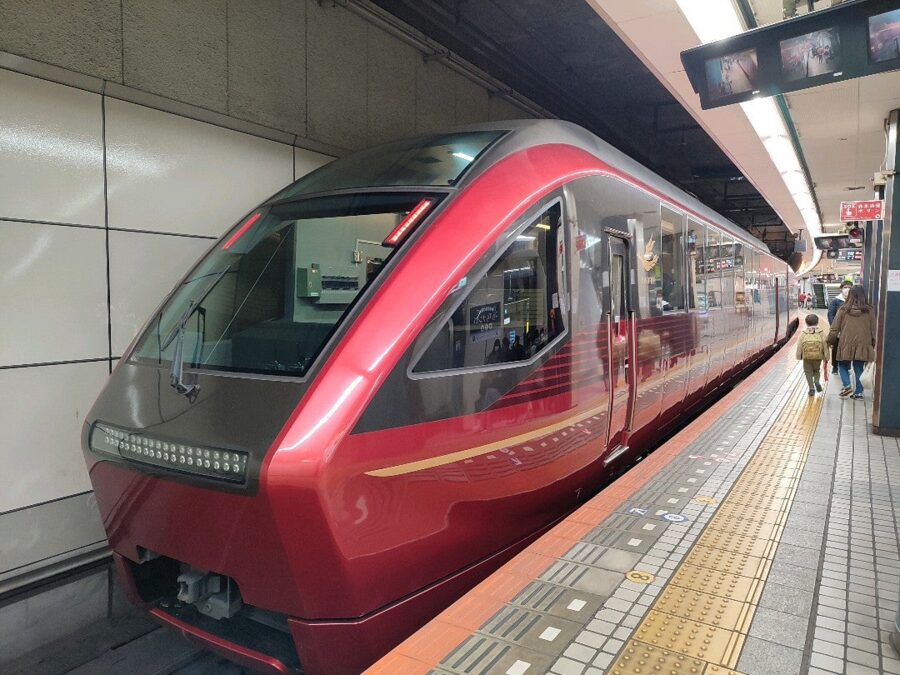

Nankai
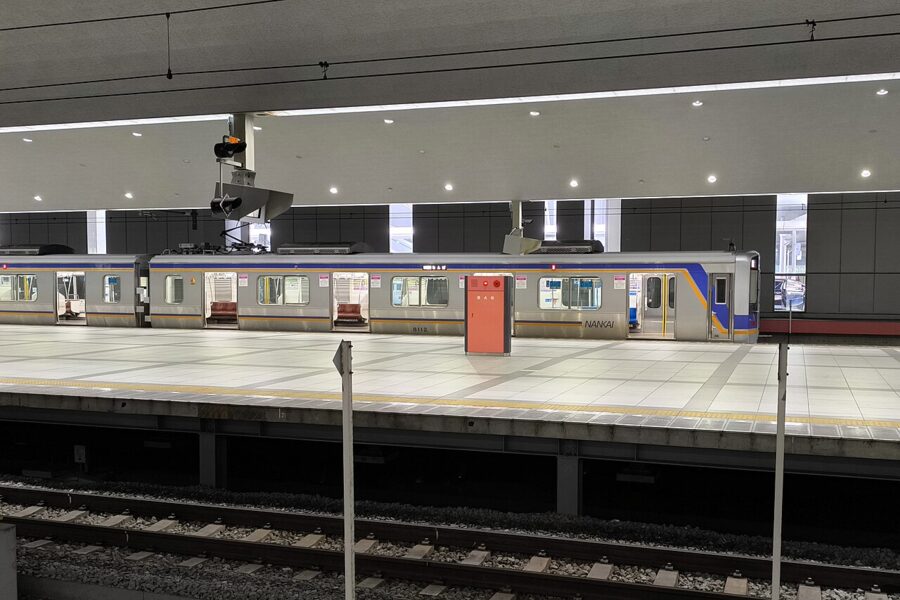
Nankai runs south from Namba to Kansai Airport, Wakayama and Koyasan. Its rapi:t airport express, all portholes and navy blue, takes 34 to 42 minutes from Namba to the airport, and the ordinary Airport Express does the trip in 45 minutes for ¥970. For anyone staying in Minami, Nankai is the airport line.
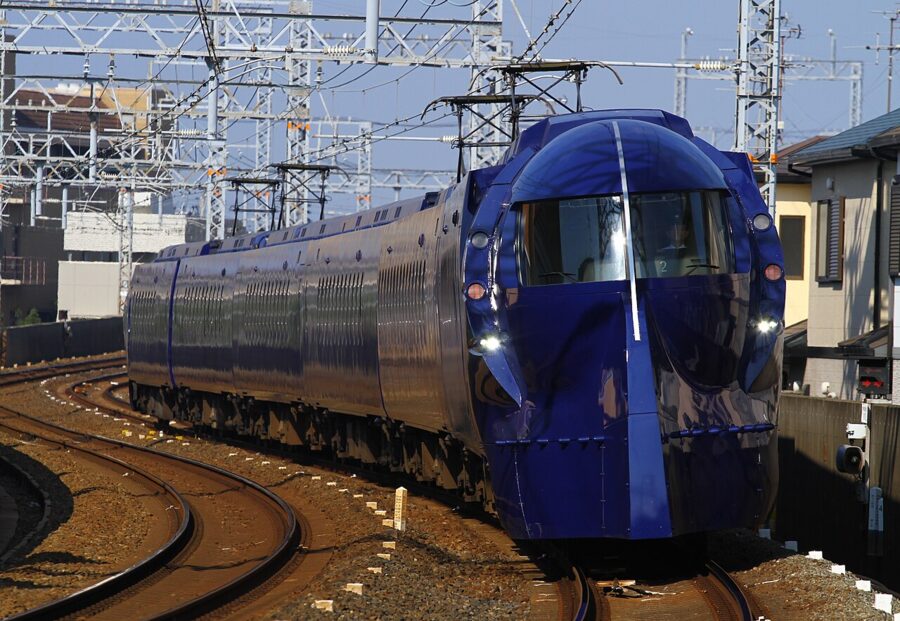

The Shinkansen inside Kansai
The Tokaido and Sanyo Shinkansen stop at Kyoto, Shin-Osaka, Shin-Kobe and Himeji, and within the region the bullet train is mostly a luxury. Shin-Osaka to Shin-Kobe takes 12 minutes for ¥1,530 against 21 minutes and ¥420 by Special Rapid from Osaka to Sannomiya. The exception is Himeji, where the Shinkansen halves the journey. Remember that Shin-Osaka is not Osaka: it is a separate station 4 minutes north on the JR, and plenty of travelers have walked out of the wrong one.
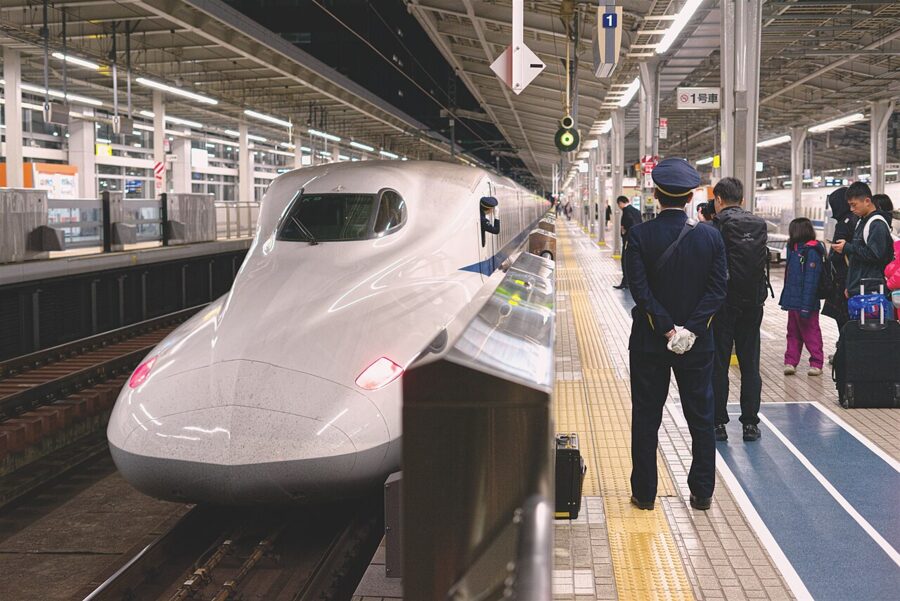

Passes that exist now, and when they pay
The pass map changed on 30 September 2026, when JR West stopped selling the Kansai Area Pass. Anyone who bought one before then can still use it for the dates on it, but the new products are different, and several of the older private-railway passes have also been renamed or replaced. The line-up for winter 2026/27:
| Pass | Days | Adult price | What it covers |
|---|---|---|---|
| Kansai Mini Pass (JR West) | 3 | ¥3,000 | JR local, Rapid and Special Rapid trains between Kyoto, Osaka, Kobe, Nara and Kansai Airport; no limited expresses, no Shinkansen |
| Kansai WIDE Area Pass (JR West) | 5 | ¥12,000 | JR West across Kansai to Okayama, Kinosaki, Amanohashidate, Shirahama and Takamatsu, with Haruka, Kuroshio, Konotori and the Sanyo Shinkansen to Okayama |
| Kansai-Hiroshima Area Pass (JR West) | 5 | ¥17,000 | As far as Hiroshima and Miyajima, including the Shinkansen |
| KANSAI RAILWAY PASS LITE | 2 or 3 | ¥5,200 / ¥6,500 | Subways and private railways across Kansai; not JR, the Kyoto subway, Randen, Keihan’s Otsu lines or buses |
| KINTETSU RAIL PASS | 1, 2 or 5 | ¥1,900 / ¥3,700 / ¥4,900 | All Kintetsu lines; limited express tickets extra |
| Japan Rail Pass | 7 | ¥50,000 | All JR nationwide, including the Shinkansen |
The JR West passes are for foreign passport holders entering Japan as temporary visitors, and so is the Japan Rail Pass. If you live in Japan, none of the JR passes is open to you, and the IC card is your pass.
The Kansai Mini Pass: the new default
The Mini Pass is three days of JR’s ordinary trains for ¥3,000, covering a map that runs from Kansai Airport through Osaka to Kyoto, Kobe (as far as Maiko), Nara, Takarazuka and Saga-Arashiyama. It is cheap enough that a typical first visit pays for it within the three days. Kansai Airport to Osaka on the Kansai Airport Rapid is ¥1,180, a Kyoto day out and back ¥1,160, a Nara day by JR ¥1,680: ¥4,020 of fares for a ¥3,000 pass.
Know what it leaves out. The Haruka airport express needs a separate limited express ticket, Himeji is off the map, and none of the private railways are covered. In Kyoto especially you will still tap your IC card for the subway and Keihan.

The Kansai WIDE Area Pass: for the far corners
The WIDE pass makes sense the moment your trip leaves the city triangle. Osaka to Kinosaki and back on the Konotori costs ¥12,280 with reserved seats, more than the five-day pass, on its own. Himeji by Shinkansen there and back is ¥6,440, and Kyoto to Amanohashidate ¥10,000 return. Plan the five days around the long trips and the city hops ride free.
The private railway passes
KANSAI RAILWAY PASS LITE is the current form of the old all-railways pass, a QR code on your phone, sold online for use between October 2026 and March 2027. It is hard to make it pay. A day to Koyasan by Nankai express (¥2,860 return including the cable car) and a day to Nara and Kyoto on Kintetsu and Hankyu (¥2,180) comes to ¥5,040 against ¥5,200 for two days. Unless you ride the private lines all day, every day, an IC card is cheaper and needs no thought.
The KINTETSU RAIL PASS is a better proposition, but only for the five-day version. The one-day pass at ¥1,900 is more than a Namba to Nara return (¥1,360). The five-day pass at ¥4,900 pays as soon as Ise is involved: Namba to Ujiyamada and back is ¥4,340 in basic fares before you add a Nara day, though the limited express charge of ¥1,340 each way is still on you.
The Japan Rail Pass inside Kansai
At ¥50,000 for seven days, the national pass only pays if you are covering long distances, Tokyo and Hiroshima for instance, with Kansai as one stop. Inside Kansai it covers JR, the Haruka and the Shinkansen, but none of the private railways, which means it is no help on the best routes to Nara, Koyasan, Ise or downtown Kyoto. If your trip is Kansai alone, skip it.
Arriving
Kansai has three airports, and only one of them matters for most visitors. Kansai Airport (KIX), on an island off the coast south of Osaka, handles every scheduled international flight into the region, so if you are flying in from Europe or anywhere else abroad, this is where you land. Its Terminal 1 has been through a large refit planned around Expo 2025.
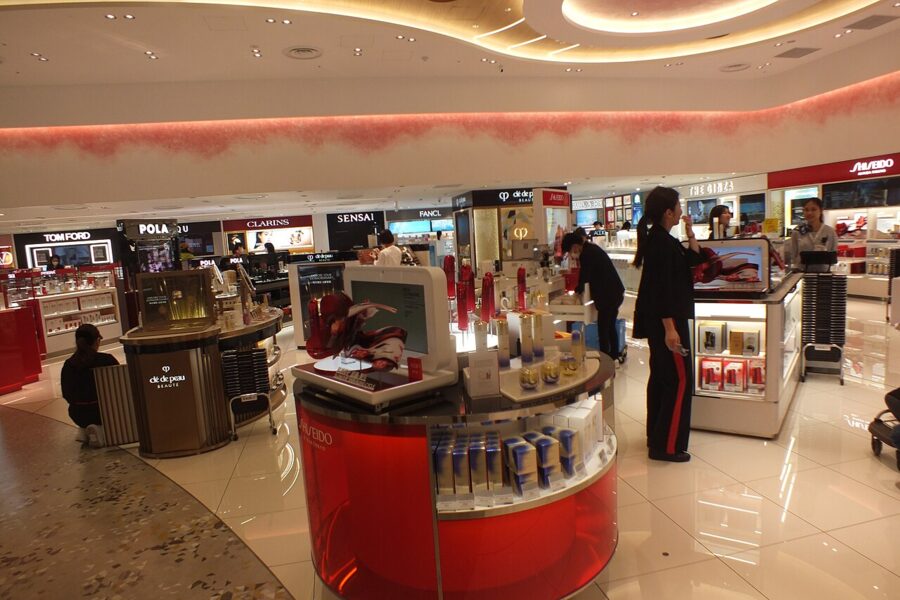

From KIX the JR Haruka reaches Kyoto in about 75 minutes (¥3,060 in an unreserved seat), and the Kansai Airport Rapid gets to Osaka Station in about 70 minutes for ¥1,180. Nankai’s trains reach Namba in 34 to 45 minutes. Limousine buses run from the terminal to the main hotels and stations too.

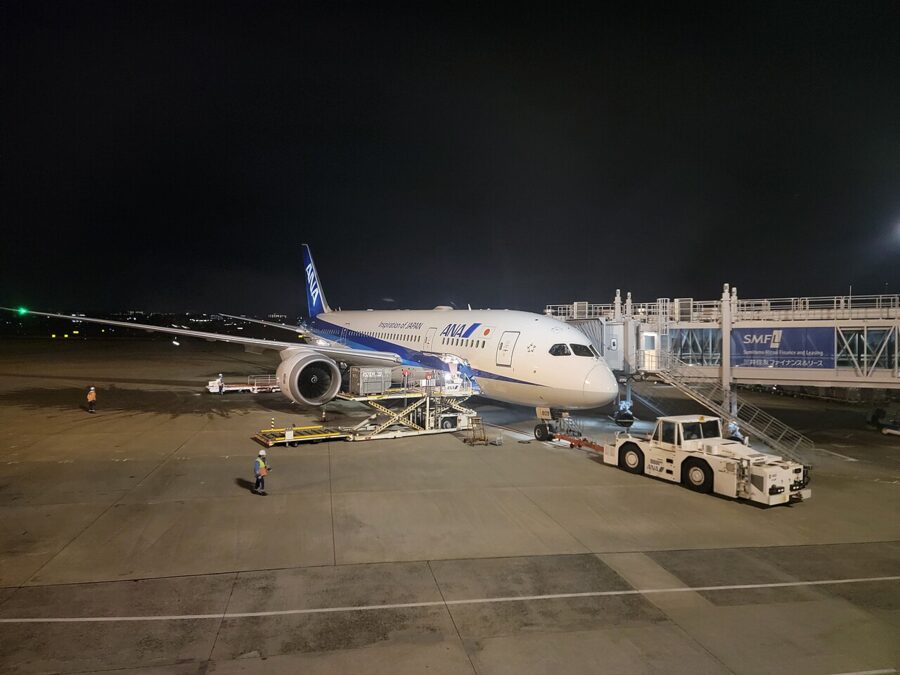
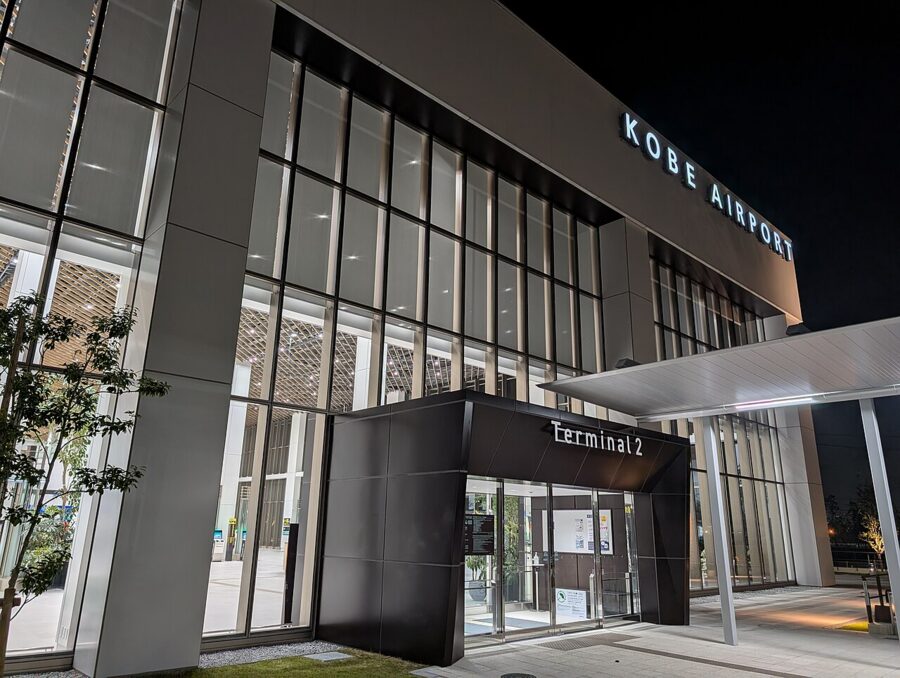
Itami Airport, about 30 minutes from Umeda at best, is domestic only, whatever its official name of Osaka International Airport suggests. Kobe Airport, 18 minutes from Sannomiya on the Port Liner, flies domestic routes and opened a second terminal on 18 April 2025 for international charter flights. If you are flying in from elsewhere in Japan, check all three, because Itami and Kobe are both closer to town than KIX.


From Tokyo, the Nozomi on the Tokaido Shinkansen takes 2 hours 14 minutes to Kyoto (¥13,320 unreserved) and 2 hours 27 minutes to Shin-Osaka (¥13,870), with up to twelve an hour between Tokyo and Shin-Osaka at peak. Get off at Kyoto if you are staying there, and stay on to Shin-Kobe for Kobe. For Umeda or Namba, change at Shin-Osaka to the JR or the Midosuji subway line.
Seasons, crowds and festivals
Kansai has two famous seasons and two others that the brochures underrate. Spring and autumn are beautiful and full. Summer is hot and humid and full of festivals, and winter is clear, cold and quiet everywhere except the hot spring towns.
Cherry blossom
The Japan Meteorological Agency’s average first blossom dates (1991–2020) are 26 March in Kyoto, 27 March in Osaka and Kobe, 28 March in Nara and 1 April in Hikone. In 2026 Kyoto opened on 23 March and Osaka on 26 March, and full bloom usually follows within about a week. Expect the whole region to be busy and booked from the last week of March to the first week of April, with Kyoto’s hotels at their dearest.
Autumn leaves
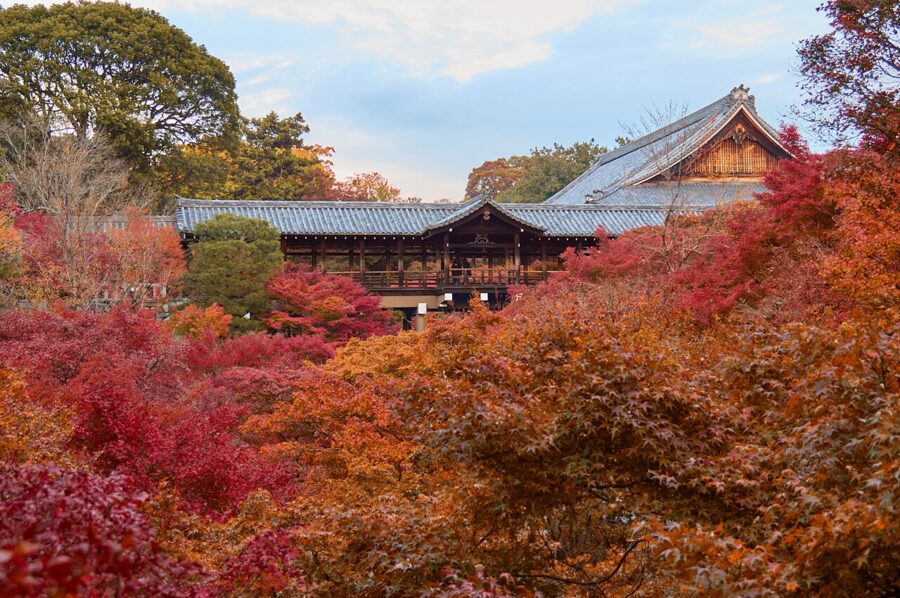
The autumn colors reach Kyoto’s temple gardens in the second half of November and hold into early December. It is the busiest time of year in Kyoto, busier than the blossom, and several temples open again in the evening for illuminated viewings. Nara and the Lake Biwa shore color up at around the same time with a fraction of the people; Koyasan, about 900 meters up, turns earlier.
Rainy season and summer
The rainy season in Kinki averages 6 June to 19 July. In practice the dates move: in 2025 it ran from 17 May to 27 June, in 2026 from 2 June to 9 July. It is not continuous rain, but it is gray and close, and it is followed by a summer in which Osaka averages around forty nights a year that never drop below 25°C. Travel early in the day, carry water, and plan museums for the afternoons.
Typhoons
Typhoon season peaks in September. Over the thirty years to 2020 about one typhoon a year passed within 300 kilometers of Kansai in September, against roughly 0.7 a year in August and again in October. A direct hit can stop the trains and cut the road and rail bridge to KIX; build a spare day into any trip in late summer, and check the JR West and airport sites the evening before you travel.
The summer festivals
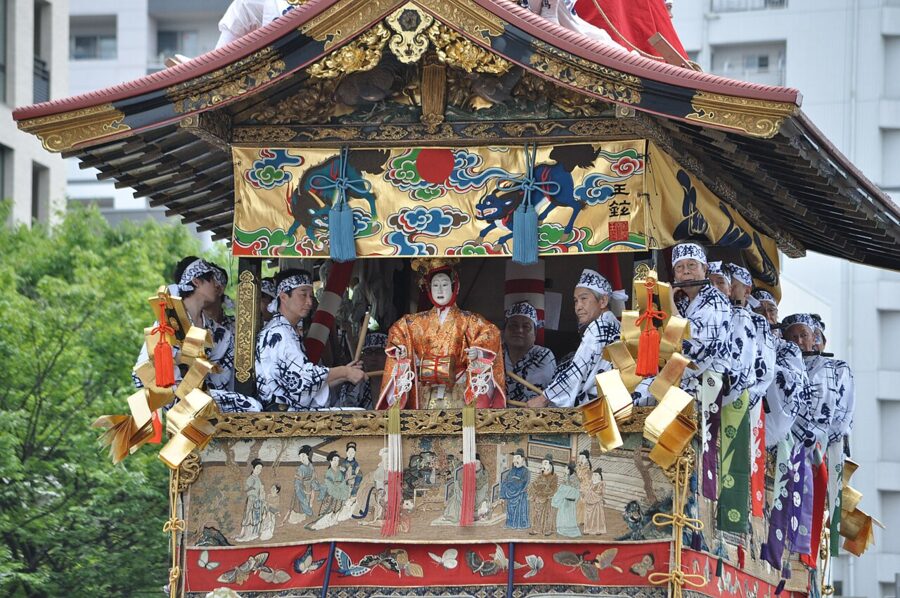
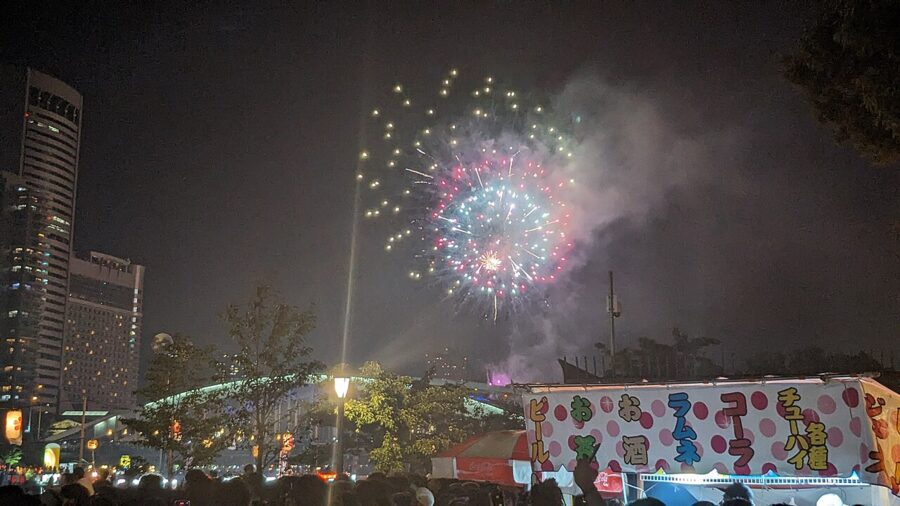
Kyoto’s Gion Matsuri runs through the whole of July, with the great float processions (Yamaboko Junko) on 17 and 24 July and the evening street parties (yoiyama) in the days before each. Osaka’s Tenjin Matsuri follows on 24 and 25 July, ending on the night of the 25th with a procession of lantern-lit boats on the Okawa and fireworks over the river. Both are spectacular, both are packed, and Kyoto’s hotels price July accordingly.


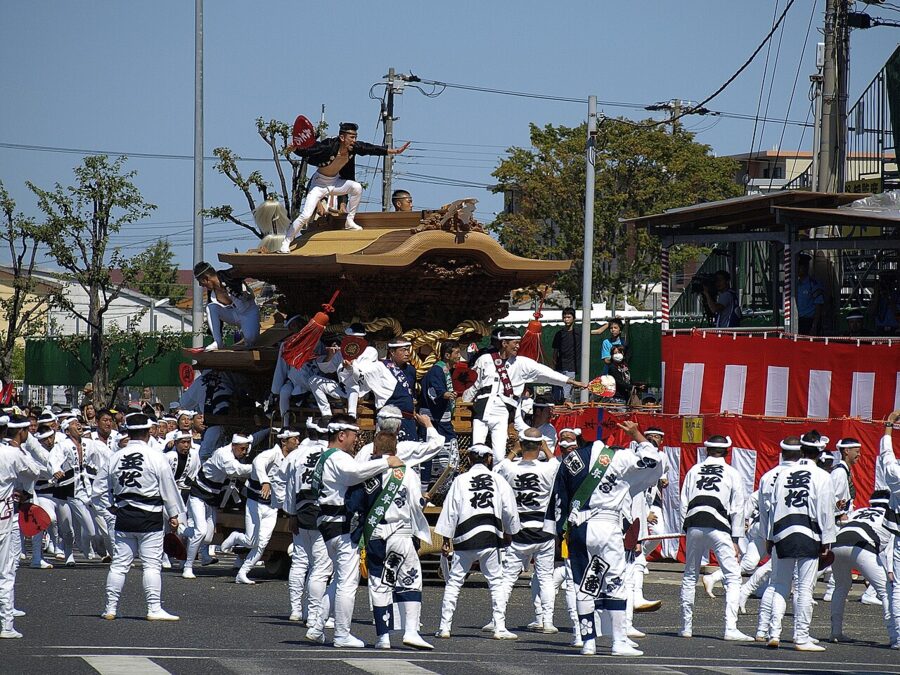
In September Kishiwada, south of Osaka on the Nankai line toward the airport, holds its danjiri festival, in which teams haul heavy wooden floats through the streets at a run and swing them round corners. The festival goes back to the 1700s. In 2026 the main days of the September festival were 19 and 20 September, with a second festival in other districts of the city on 10 and 11 October.

Three ways to spend the time
These are routes I would actually follow, with the pass that fits each. All of them assume you land at KIX. Swap the order freely; the only fixed rule is to put Kyoto’s big sights on weekdays.
Five days: the city triangle
- Day 1: KIX to Osaka, base in Namba or Umeda for four nights. Evening in Dotonbori.
- Day 2: Kyoto east. Fushimi Inari at 07:00, then Tofukuji, Kiyomizu-dera, Higashiyama and Gion. Back to Osaka on the Special Rapid from Kyoto Station.
- Day 3: Nara by Kintetsu from Namba. Todaiji, Kasuga Taisha and Naramachi, then the JR Nara Line to Uji for Byodoin on the way to Kyoto, and home from Kyoto on the Special Rapid.
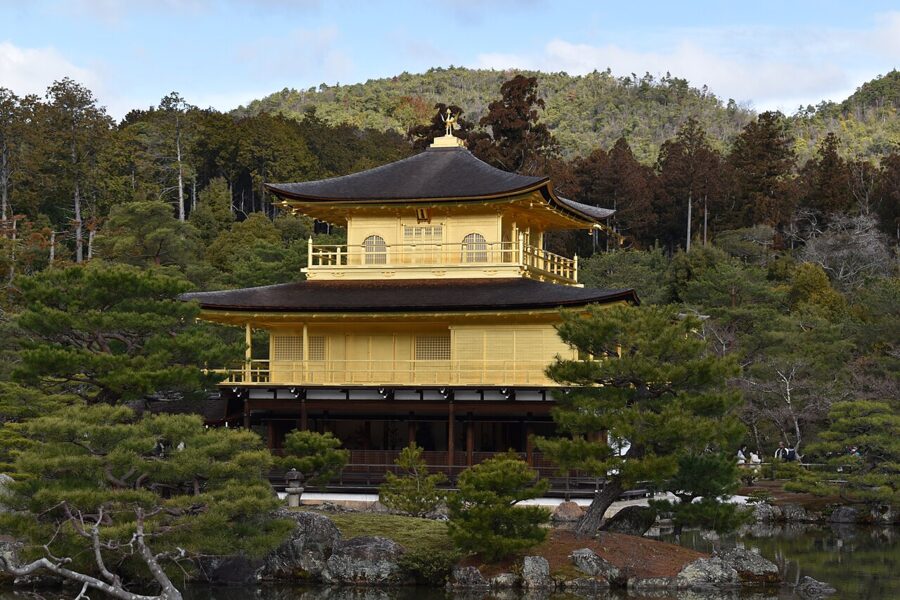
- Day 4: Kyoto west. Saga-Arashiyama by JR, Arashiyama early, then Kinkaku-ji and Nijo Castle by bus or subway.
- Day 5: Osaka Castle in the morning and KIX in the afternoon, or Kobe and its harbor if your flight is late.
Pass: the Kansai Mini Pass for days 2 to 4. Three days of Osaka to Kyoto and back come to ¥3,480 on their own, and the pass also covers Inari, Uji and Saga-Arashiyama. Use an IC card for the Kintetsu, the buses and the subway.

Seven days: two bases and a temple
- Days 1–3: three nights in Kyoto, with Nara and Uji as the third day.
- Day 4: Kyoto to Osaka, drop the bags in Namba, then Nankai to Koyasan for a night in a shukubo.
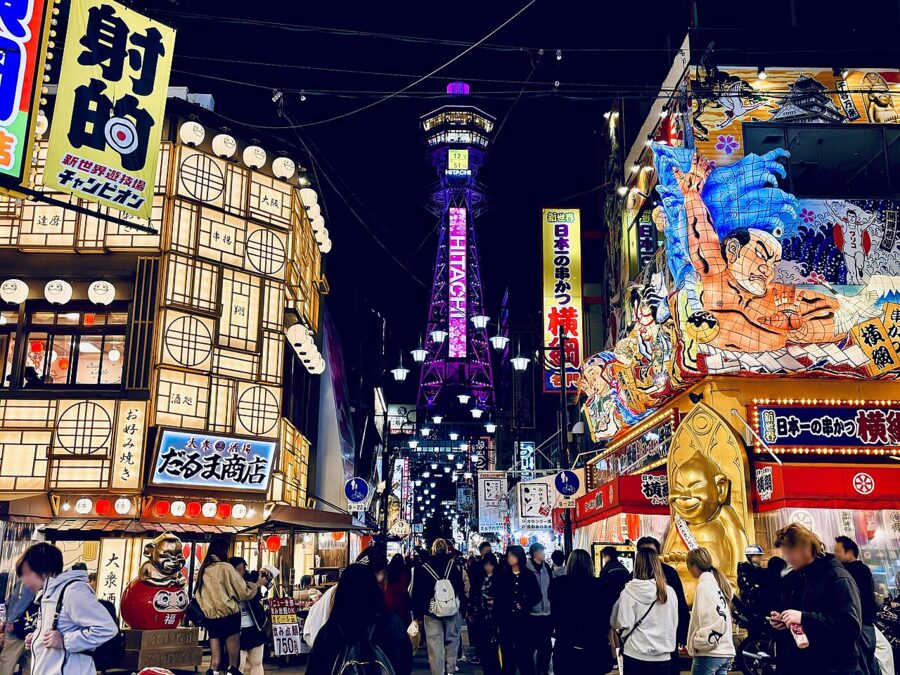
- Day 5: Okunoin at dawn, back down to Osaka by lunchtime, and an evening in Dotonbori and Shinsekai.
- Day 6: Himeji by Special Rapid in the morning, Kobe on the way back for the harbor and dinner.
- Day 7: Osaka, and the airport.
Pass: a Kansai Mini Pass for the three Kyoto days, which covers the ride in from KIX, Arashiyama, Uji and Nara by JR. After that, Koyasan is a private-railway trip and Himeji is off the Mini Pass map, so use ICOCA.
Ten days: the ring
- Days 1–3: Kyoto, including Lake Biwa and Hikone on the third day.
- Days 4–5: the Hashidate to Amanohashidate, then on to Kinosaki for a night of public baths.
- Day 6: Kinosaki to Himeji and on to Kobe for two nights.
- Day 7: Kobe, Arima or a lazy day by the harbor.
- Days 8–9: Osaka, with Koyasan overnight or a long day to Ise.
- Day 10: Osaka to KIX.
Pass: the five-day Kansai WIDE Area Pass, started on day 4, covers the Hashidate, the Konotori, the run from Kinosaki to Himeji and Kobe, and the move to Osaka on day 8. Use an IC card for the rest, and look at the KINTETSU RAIL PASS 5day if you choose Ise.

The first hour on the ground
Whichever route you choose, the first move is the same. Buy an ICOCA at the airport station, or use the IC card already on your phone, and the private railways, subways and buses all become one network. Then find the 10:00 Special Rapid, or any of the ones after it, and see how little time it takes to get from one city to the next.